
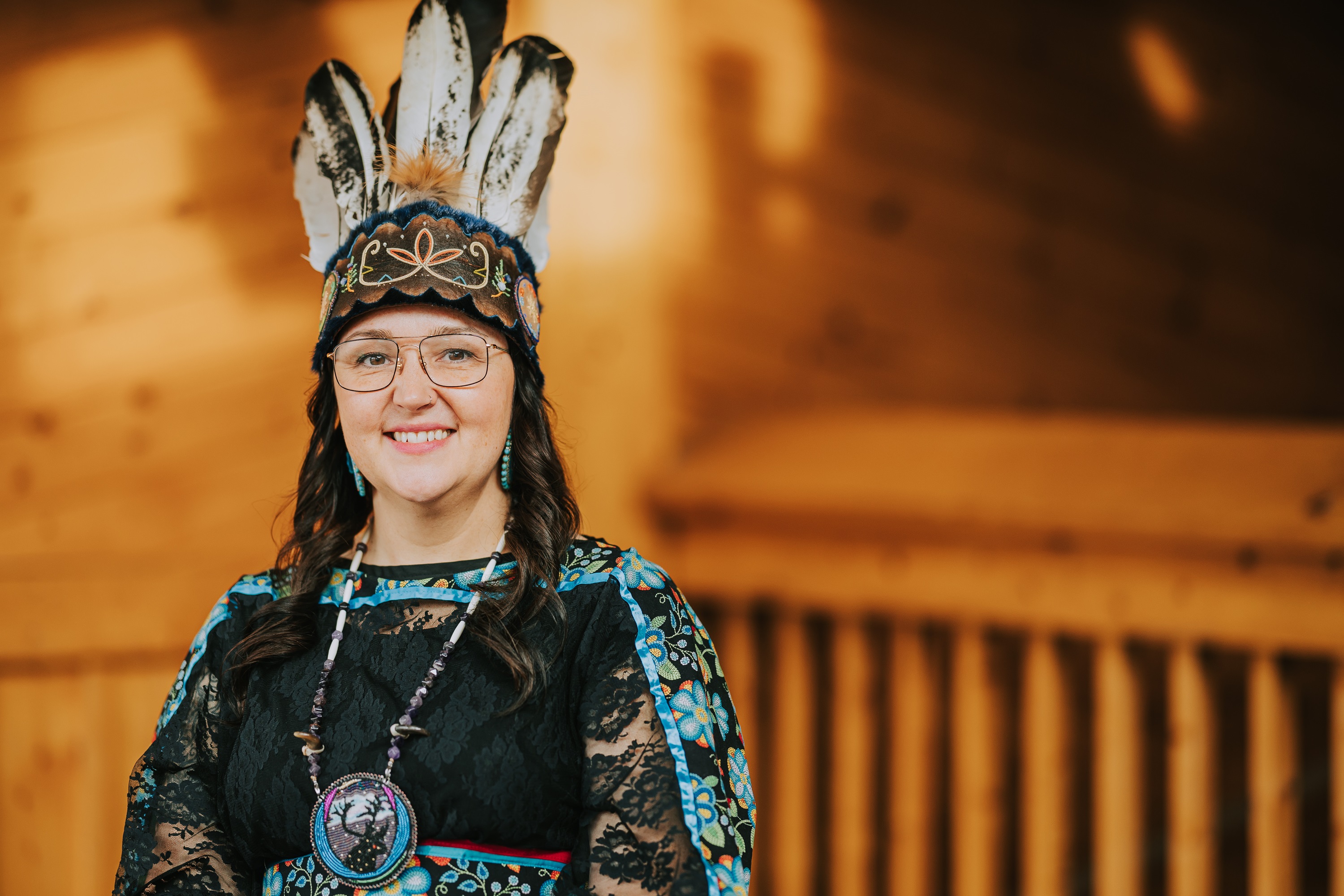
A First Nations chief in Newfoundland and Labrador is calling on the popular online marketplace Etsy to reverse an upcoming ban on the sale of natural fur products on its site.
The ban, scheduled to come into effect on August 11, was first announced by Etsy in April, citing they wanted to create a sustainable future by protecting wildlife from extinction.
Chief Jenny Brake of Qalipu First Nation in Newfoundland and Labrador is hoping there is still time for Etsy to reverse the upcoming ban.
Due to time constraints, Brake’s resolution for Etsy to suspend the fur ban was not voted on during the latest Assembly of First Nations (AFN) Annual General Meeting last week in Ottawa, and was instead referred to the next meeting of the AFN Executive Committee with a date to be determined.
Etsy’s statement regarding the ban says, “In addition to prohibiting products made from endangered and threatened species, Etsy prohibits products made from or containing natural animal fur, regardless of age or origin. This includes products like raw pelts, finished garments, accessories, and personal care items made with real fur from animals such as mink, fox, rabbit, badger, coyote, and raccoon dog.”
This does not include taxidermy, byproduct materials, such as leather, sheepskin, shearling, cowhide, wool, or mohair, or fur products from sellers registered with the Indian Arts and Crafts Board.
Brake’s resolution calls attention to the disproportionate impact the ban could have on First Nations communities and urges Etsy to reconsider its decision before the policy comes into effect.
Doug Chiasson, executive director of the Fur Institute of Canada / Canadian Seal Products, agrees that platform bans like this can restrict the ability for First Nations artisans to be able to access a global market.
“The great thing about a platform like Etsy, is it provides global reach for small-scale producers and if we lose access to those kinds of platforms it really kind of shrinks the world available to artisans,” Chiasson said. “There certainly are other avenues that folks can try and access, but what really kind of sets Etsy apart…is they do have that global reach.”
Chiasson believes anti-fur groups are driving Etsy’s proposed ban.
“Really, it’s been pressure and harassment from anti-fur groups. There’s been demonstrations at Etsy events…targeted harassment towards their executives by these anti-fur groups,” Chiasson said. “In some cases it gets to a point where the individual that has decision-making power on a platform says, ‘I’m tired of putting up with this, I’m tired of being painted as public enemy number one,’ and they take the easy way out which is to remove fur form their platform.”
Chiasson said he doesn’t see any real explanation to ban fur in the name of biodiversity conservation.
“We estimate that as many as half of Canada’s trappers are Indigenous and their experience on the land, their knowledge on the land, is irreplaceable and incredibly valuable in work on biodiversity conservation,” Chaisson said. “A sustainable and well managed fur harvest is incredibly important for not just cultural and heritage reasons but for biodiversity reasons.”
Chiasson added that Etsy’s ban is targeted at animals killed primarily for their fur, but he questions who can determine how the rest of the animal in being used.
“That’s one of the things that we’ve really tried to communicate to Etsy, is if they legitimately want to put in an ecosystem on their platform that supports biodiversity conservation, we’re more than happy to work with them to make sure they have stringent measures in place that the fur that’s traded on their platform is ethical, sustainable and humanely harvested… but they never made that attempt,” Chiasson said.
Chiasson added that there’s been no indication that Etsy’s fur ban won’t go through in August.
Etsy did not respond to Ha-Shilth-Sa’s request for an interview.