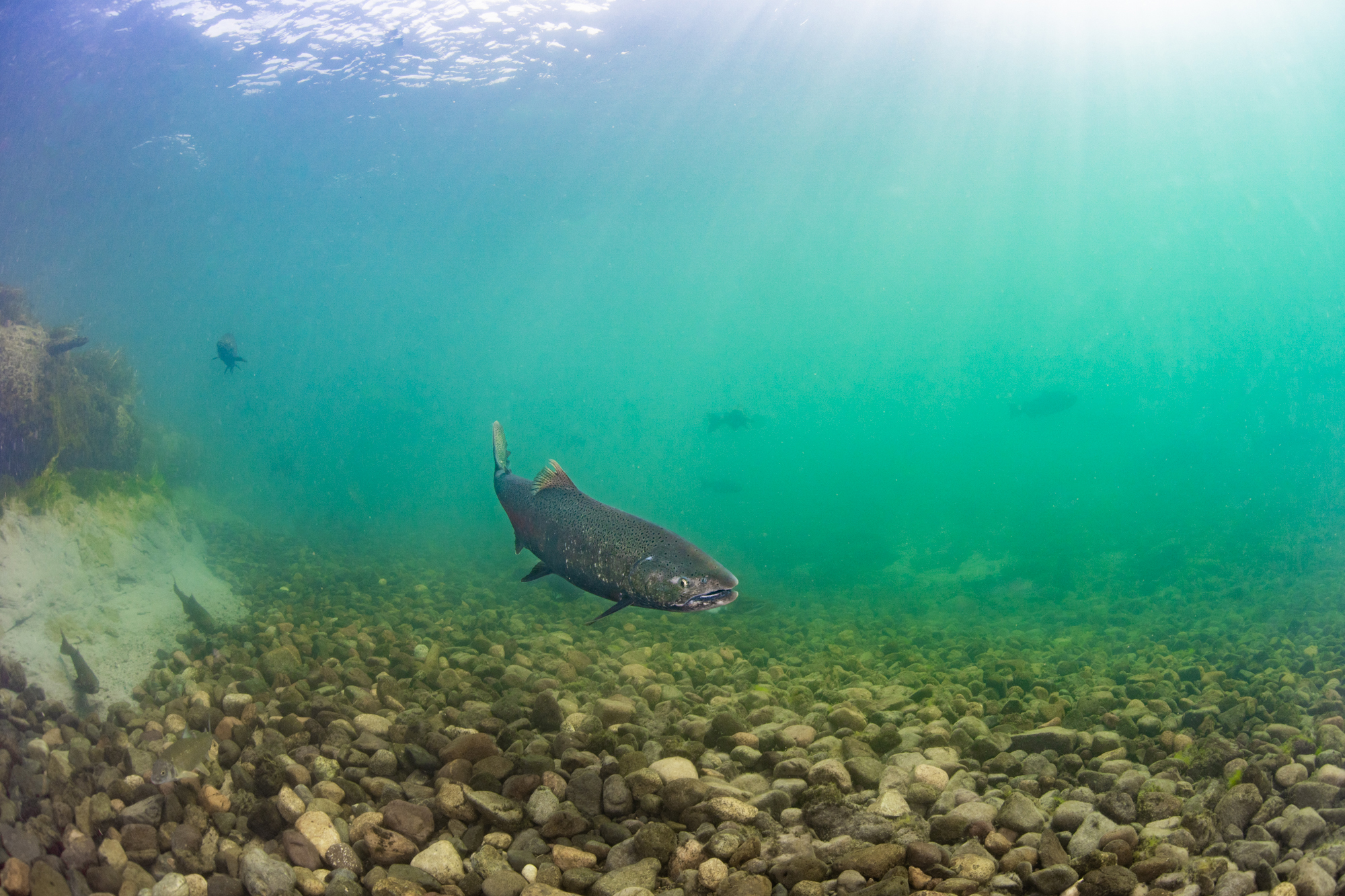
A new study led by UBC and Pacific Salmon Foundation scientists has discovered the first case of tenacibaculosis disease present in wild chinook salmon near Vancouver Island.
The discovery was accidental, as the salmon caught in the Barkley Sound region were intended for a separate study assessing the effects of recreational catch-and-release.
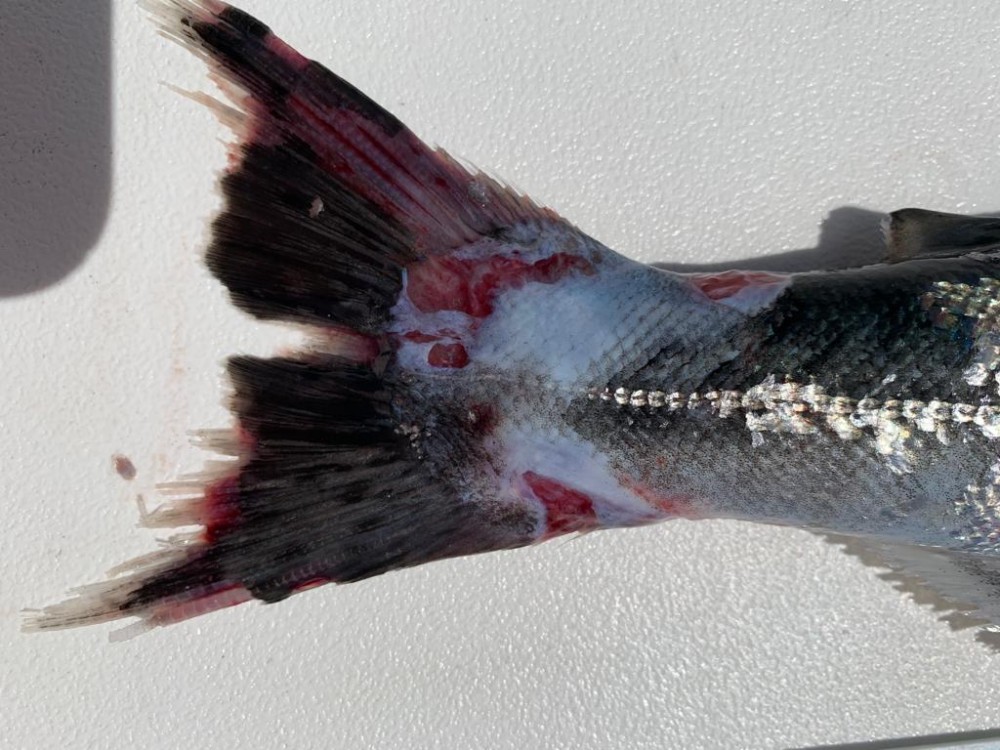
However, of the 99 sampled fish, 16 percent showed signs of tenacibaculosis — a bacterial disease that causes ulcers on fins and skin and kills fish within days.
The study, published in Scientific Reports, found the disease was likely caused by a common type of marine bacterium called Tenacibaculum dicentrarchi, found all around the world.
“The disease itself is not new. It’s one of the most diffused diseases that occur in farm fish,” said Dr. Emiliano Di Cicco, a researcher and veterinarian for the Pacific Salmon Foundation, and lead author of the study.
Fish farms are known to have a high concentration of tenacibaculosis disease, as it's one of the major causes of fish mortality in aquaculture settings.
Outbreaks occur in farms when juvenile fish are transferred from freshwater to saltwater, and the disease spreads quickly because of the high concentration of fish in an enclosed area. There has never been a confirmed case of the disease in wild-caught salmon, while “tenacibaculosis has never been diagnosed as a disease outbreak in farm-raised Chinook salmon in B.C.”, stated the B.C. Salmon Farmers Association.
Diagnosing marine disease in wild fish has proved challenging for researchers. In the wild, infected fish rarely survive long enough to be observed.
“Finding a sick fish in the ocean is very hard because usually, they either get picked up by predators or get weak enough that eventually they cannot catch their own prey and die of starvation or die from the disease,” said Dr. Di Cicco.
While the disease itself doesn’t affect humans or other animals, understanding disease in wild fish populations is key to effective fish management, conservation, and reassessing risk regulations.
The findings provided recent evidence that is not accounted for in the Fisheries and Oceans Canada (DFO) risk assessment for Tenacibaculum as a potential disease pathogen in the province, said Kaitlyn Zinn, PhD candidate from UBC’s Pacific Salmon Ecology and Conservation Lab, and co-author of the study.
Currently, the disease risk assessment for Tenacibaculum focuses on one species, Tenacibaculum maritimum (a close relative of Tenacibaculum dicentrarchi), and concluded that the bacteria are unlikely to cause disease in wild fish populations.
However, the species identified in this study, Tenacibaculum dicentrari, is not even considered in their existing assessment, so the bacteria are not regulated in B.C. as a risk to wild Pacific salmon.
“The DFO is currently treating this bacterium like it can only occur in farms,” said Di Cicco. “But now we know that this disease can affect the wild fish, and because the farms are probably the main contributor of this bacterium in the water, they need to be more indoor and regulated accordingly.”
The specimens were not collected near a salmon farm. While many researchers believe that farms affect wild salmon, more studies are needed for a consensus in the scientific community on the extent of the impact of finfish aquaculture.
The BC Salmon Farmers Association says the discovery does not show a direct link to farms, as Tenacibaculum is common bacteria that is “widespread in the marine environment and can act as opportunistic pathogens when fish are stressed or compromised.”
“This study describes fish that became sick after they were caught, handled and held in tanks – the authors say so themselves,” said the association’s executive director Brian Kingzett in a press release. “That is not evidence that salmon farms are harming wild salmon, and it should not be reported as though it were.”
The next steps for the research would be figuring out where the wild fish picked up the disease, how they picked it up, and replicating the disease in a lab for researchers to observe how the bacterium works under controlled conditions.
“Based on what we have found, there is reason to think that DFO should update and redo their assessment, including the species we identified as T. dicentrarchi,” said Zinn.
The accidental discovery
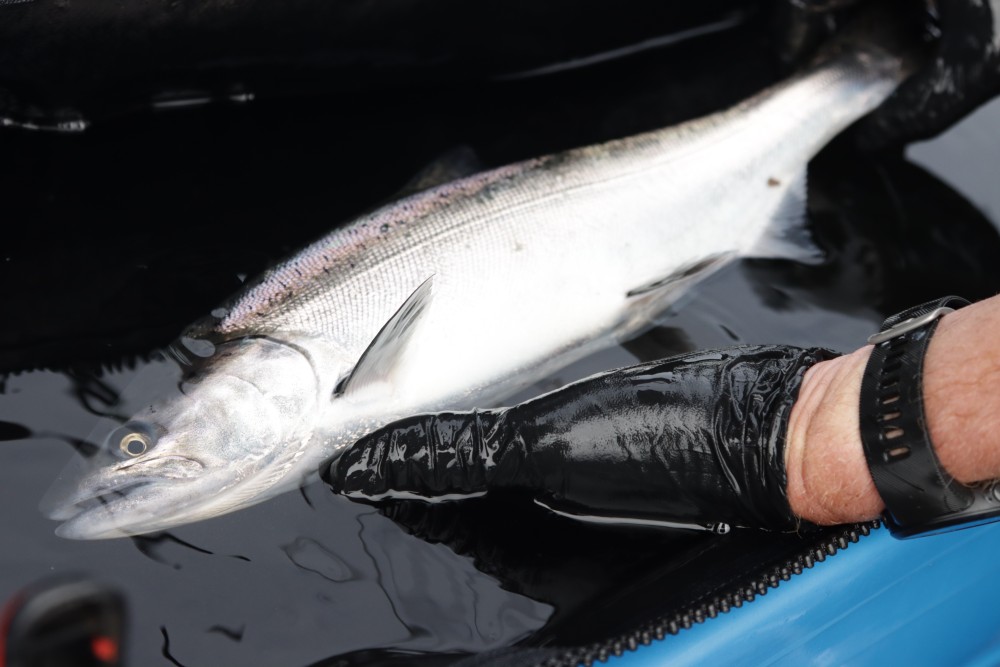
In 2022, the UBC Pacific Salmon Ecology and Conservation Laboratory sampled wild chinook salmon to study the impact of recreationally caught and released salmon and improve the survival of the fish that go back into the water.
The observation period lasted 10 days, which is longer than the usual time to observe fish in captivity. Around the fourth day of the holding period, Zinn noticed some fish started developing lesions and ulcers, an unusual occurrence for wild fish.
Dr. Di Cicco and his team were brought in to sample the fish. The DFO’s Pacific Biological Station, the University of Toronto and the University of California were also involved to determine the cause.
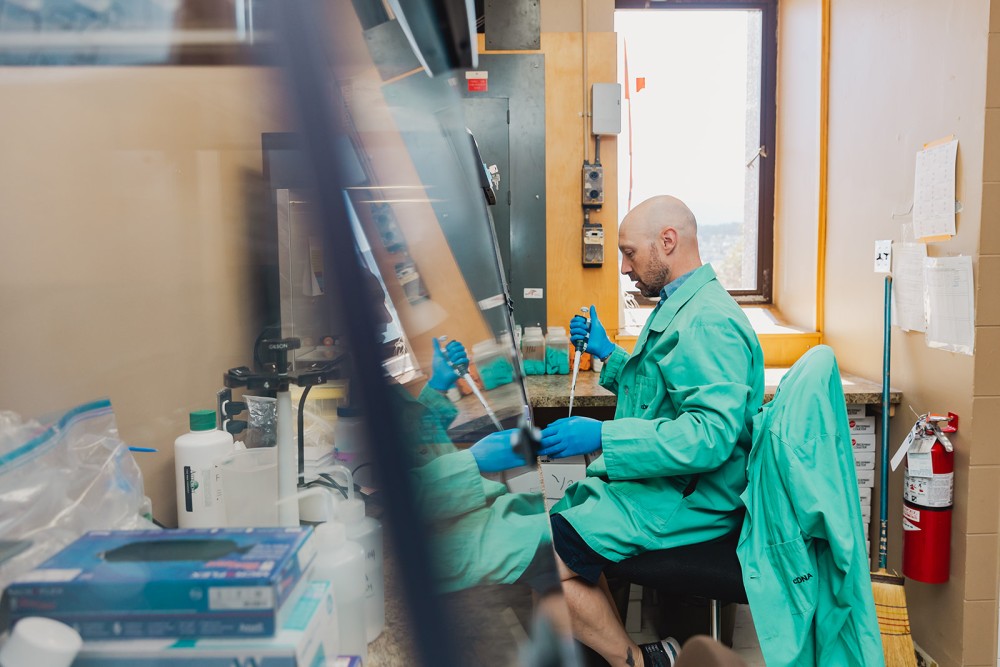
Using gill sampling, histology, molecular and genetic screening, the team diagnosed the tenacibaculosis disease and identified the Tenacibaculum dicentrarchi as the causative bacterium.
“Conservation depends on understanding why salmon die, not just how many die. So identifying this new bacterial disease in wild salmon as a potential contributor gives us another mechanism to investigate and gives us another opportunity to reduce any potential human cost impacts on vulnerable salmon populations,” said Zinn.
Human impacts on salmon’s health
In the original study, led by Zinn, the fish that did not have scale loss, mucus loss or were not injured did not get the disease even if they shared a tank with fish that did. The mucus layer of a fish functions to keep pathogens like the Tenacibaculum dicentrarchi outside the fish. Once damaged, the bacteria can enter the body, make the fish sick, and kill them.
During the study, the infected fish showed ulcers mostly around the mouth, belly and the caudal peduncle. These were the areas where researchers touched the fish during collection, transportation, and observation. These are also the usual places where anglers grab fish for recreational purposes.
Zinn’s recent research paper, published in Science Direct, shares the best practices for the public to follow to reduce the impact on fish health.
One is avoiding putting fish in a net to not remove their mucus layer. When releasing fish, it’s better to touch it as little as possible and let it go while it’s still in the water over the side of the boat.
“There’s many things that the public can do to reduce the odds of having an impact in that way,” Zinn said. “Just touching the fish less, not disturbing their mucus coating, keeping your hands off them.”