After six days of witness testimony and over a day of deliberation regarding the police-involved shooting death of Julian Jones, today a coroners inquest jury announced their recommendations to prevent similar incidents from happening in the future.
The RCMP is being advised to consider equipping all officers with tasers and body worn cameras, while acquiring an Indigenous liaison to work with Tofino’s detachment. The seven-member jury, who were selected from the general population, also recommends that B.C. Emergency Health Services secure more reliable contracts with water taxis to ensure marine transportation is readily available.
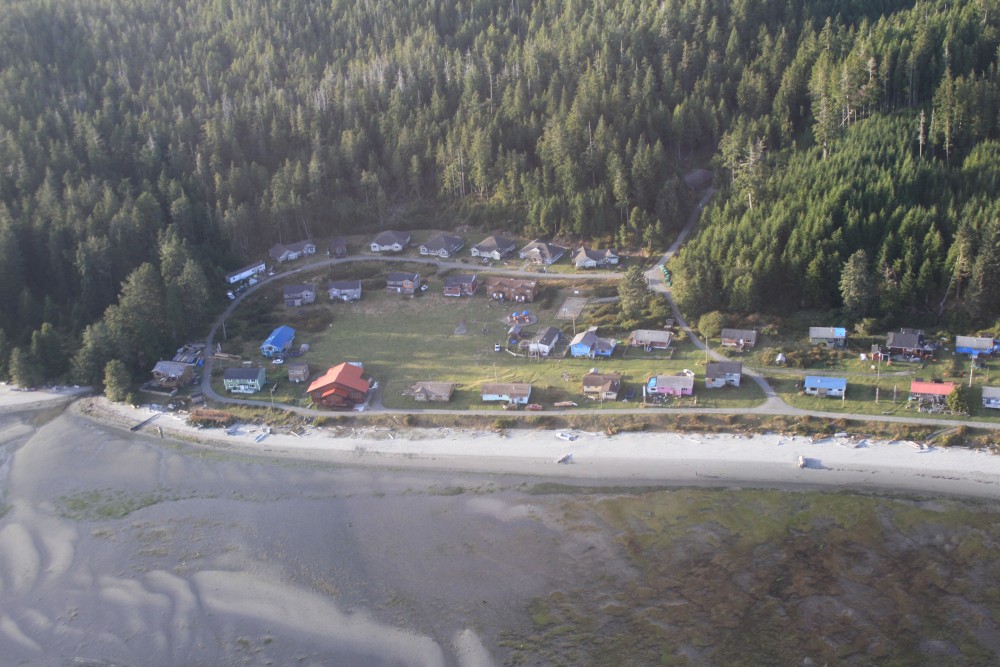
Julian Jones of the Tla-o-qui-aht First Nation was fatally shot Feb. 27, 2021 when two police officers were attending a call at a home in Opitsaht on Meares Island. The members of the Tofino RCMP were responding to allegations that a woman was sexually assaulted and being held against her will at the residence.
After a short boat ride across the bay to Meares Island, the pair arrived at the home at approximately 9:30 p.m. on a dark and foggy evening. Police testimony states that Jones’ brother, John Lucas Jr., was immediately arrested when the officers came to the door, prompting Jones to advance towards them with what were later determined to be two metal files 12-16 inches in length. Officer testimony states that Jones was initially tasered, causing him to fall to the floor. But he got up and continued to advance, which led to him being fatally shot by Const. David Robichaud, according to a statement from his partner during the call, Const. Dan McIntosh.
One taser was with the RCMP officers, and this device needs five seconds to recharge after it is deployed, according to witness testimony. This led to the jury recommendation that all RCMP officers be equipped and trained to carry tasers, or conductive energy weapons, which can be used as a non-lethal alternative to a firearm.
The police had been to house 141 in Opitsaht on other occasions, and knew the brothers. According to Const. MacIntosh, Jones would get combative if he feared his brother was being harmed.
Considering such dynamics in the remote community, the jury recommended an Indigenous liaison at the Tofino detachment.
“The jury heard evidence that the RCMP could do more to learn about and incorporate cultural aspects in their policing of Indigenous people,” stated the jury’s recommendations that were read to Coroner Larry Marzinzik on Aug. 27.
There were also differing accounts from the scene, including testimony from John Lucas Jr. that his brother did not advance to the officers, and that Jones was tasered after he was shot. The jury’s suggestion for this issue is that all RCMP officers wear body cameras.
This was not common practice in 2021, but has actually since been implemented by the RCMP. In November 2024 the RCMP started equipping front-line officers with body cameras, starting with police serving Ucluelet, Ahousaht, Tofino, Mission, Prince George, Cranbrook and Kamloops. As of July this year, 79 per cent of officers wear body cameras, a national deployment that is on track to be fully implemented by fall of 2027, according to the RCMP.
Although Jones was killed on the scene, the jury also looked to shortcomings in medical response on that dark night in 2021. With no available water transportation, paramedics were left waiting at the Tofino dock for almost an hour, until they were informed to stand down. They were waiting for transport from the Canadian Coast Guard, but that national agency decided to not make the short trip to Opitsaht when communication was lost and danger at the scene was evident.
“We were unable to establish communication with the officers on the scene,” said Nathan Webb, superintendent of the Canadian Coast Guard’s regional operations centre, during his testimony for the coroners inquest. “That raised a red flag for us, because we didn’t know what the scene was. We had the report of an officer-involved shooting, a death of a First Nations member, then we lost communications. That’s where the risk for the Canadian Coast Guard came up.”
Opitsaht doesn’t have a helicopter landing pad, making boat transport the only viable means for paramedics to attend the remote community. BC Emergency Health Services doesn’t have its own boats, and instead hires local water taxis while venturing off Vancouver Island’s west coast.
During his testimony Leslie William Cleverly, BCEHS’s senior provincial executive director, outlined the limitations in sending paramedics to remote coastal locations like Opitsaht.
“It’s inherently difficult to deliver a timely and effective response, particularly in that geographical area,” he said, explaining why BCEHS doesn’t have boats in its fleet of vehicles. “To operate a marine vessel, we would need at least two people to operate that vessel, and that would be taking away the ability for us to provide patient care.”
“We are passengers on these vessels, so we really rely on the operator of the vessel to convey us of where to go and when,” he added.
After hearing these considerations, the jury looked to local water taxis as the means for paramedics to serve coastal locations.
“Please consider contracts with water taxi services to be available 24 hours a day for the exclusive use of BCEHS paramedics in Tofino,” stated the jury.
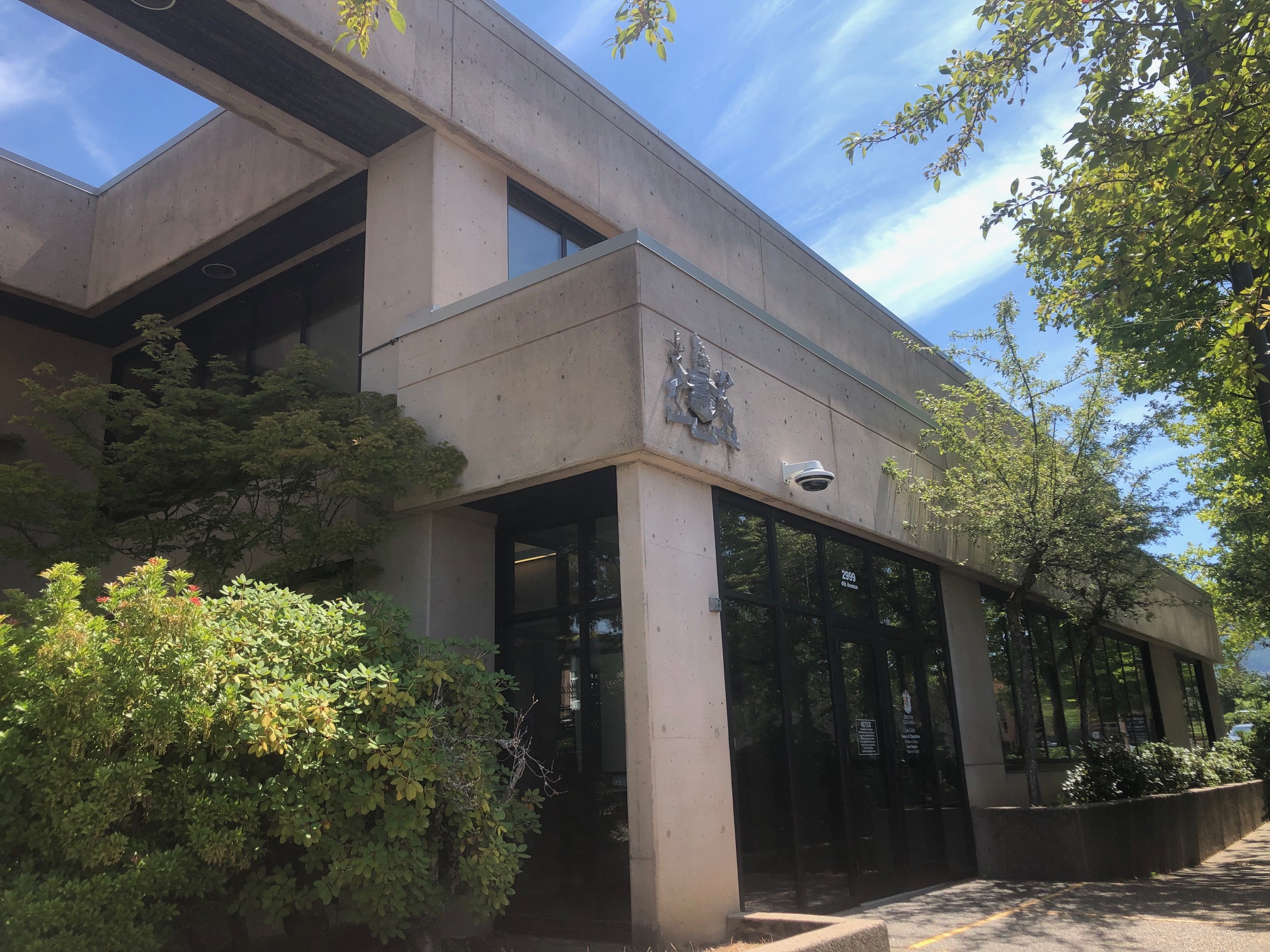
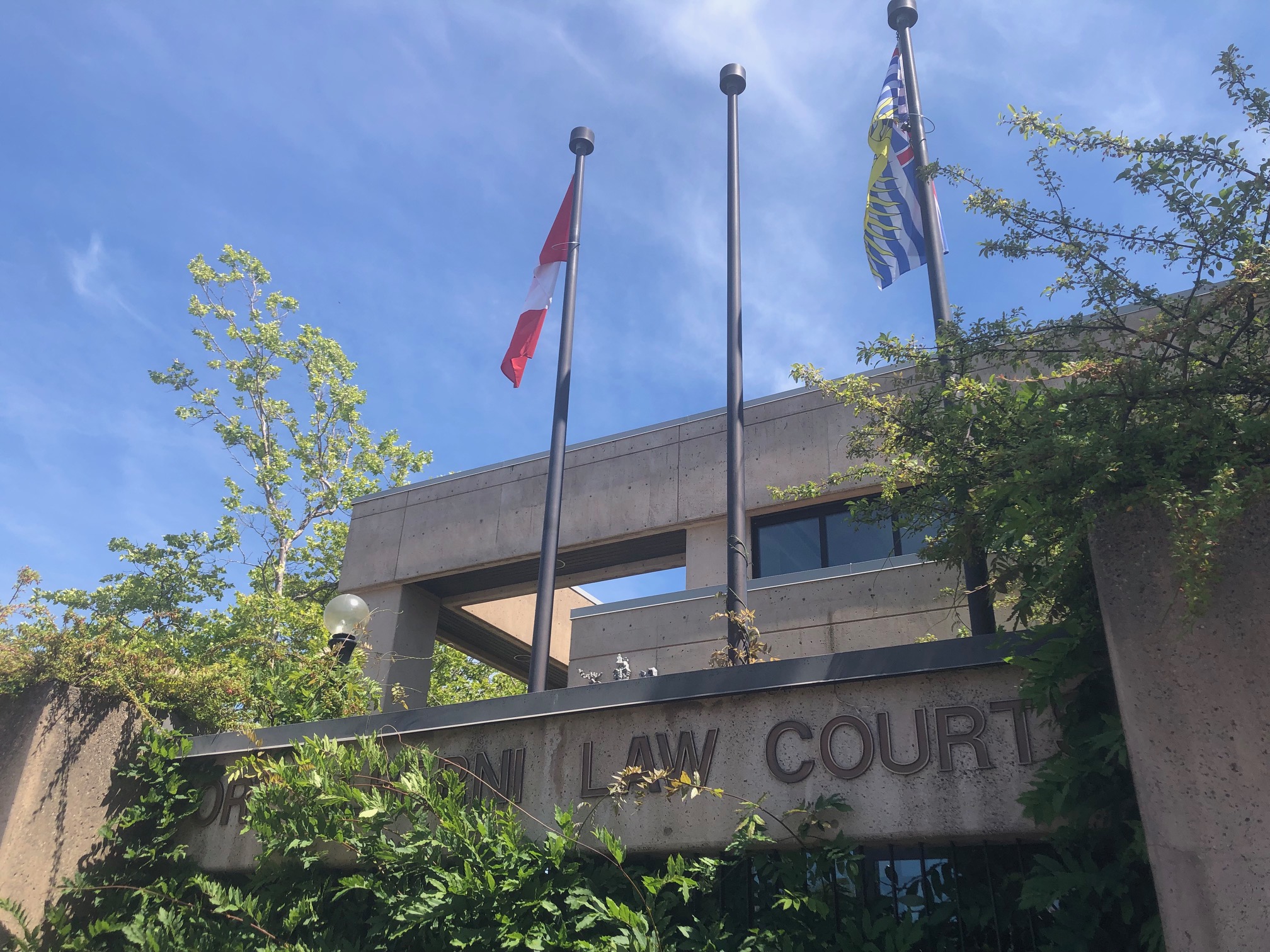
Proceedings for the coroners inquest into the death of Julian Jones were held Aug. 18 – 27 at the Port Alberni Law Courts.