Parks Canada is preparing for another wildfire season, as Vancouver Island faces below-normal snowpacks and warmer temperatures that could potentially cause drought conditions across the region.
In a news release on May 28, Julie Dabrusin, the minister of the Environment, Climate Change and Nature, announced that the Government of Canada will invest $45.8 million over five years to support Parks Canada’s National Fire Management Program.
“Climate change is intensifying wildfire seasons across Canada, putting communities, ecosystems, and our economy at greater risk,” said Dabrusin. “Our government is ensuring that we have the expertise, tools, and capacity needed to respond to wildfires and proactively reduce risk.”
Funded through Budget 2025, the investment supports Parks Canada's operation for wildfire response personnel, national deployable equipment and proactive wildfire risk-reduction measures.
“This investment...ensures Parks Canada has the resources it needs to reduce wildfire risk, strengthen preparedness, and respond when it matters most—while working closely with key partners, including provinces and territories, and Indigenous and local communities to keep our country strong and resilient for generations to come," said Eleanor Olszewski, minister of Emergency Management and Community Resilience.
As our climate changes, fire seasons are expected to become longer, with wildfires growing in size and burning more severely. This is particularly due to droughts that create dry, flammable conditions across the country.
Since 2023, wildfires have put 47 national parks, 171 national historic sites, five zones surrounding marine conservation areas, and one urban national park at risk.
Other human settlements within the risk zone included seven town sites, adjacent Indigenous communities and land, 1,056 kilometres of highways, 250 kilometres of railways, local businesses and a significant portion of the Canadian tourism sector.
Parks Canada’s plans to mitigate this risk by reducing the build-up of flammable vegetation within the wild-land urban overlap, creating landscape-level fuel breaks and following the FireSmart Canada’s guidelines.
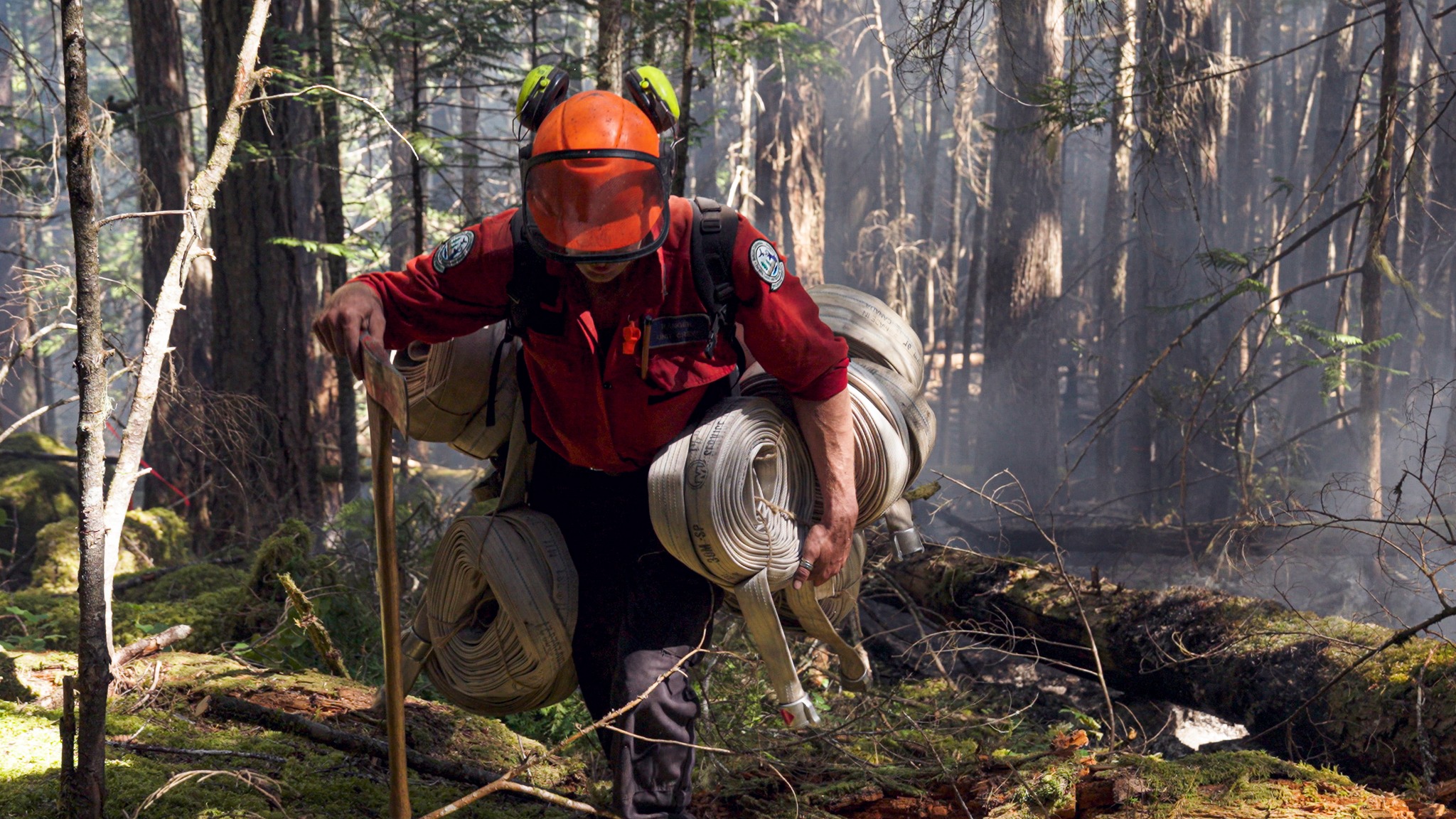
Many parks across Canada have dedicated fire personnel who are ready to respond to wildfire calls. During periods of elevated fire danger, a dedicated fire duty officer is in place to coordinate a response, while resources like helicopters remain on standby.
Parks Canada’s National Fire Management Program is in place to protect communities while maintaining ecological fire practices.
Parks Canada uses prescribed fire—the planned burning of land to meet a set goal—to reduce wildfire risk and restore ecological integrity across the country. Reintroducing fire helps create a more diverse landscape and improve the ecosystem’s ability to adapt to the changing climate, according to the national agency.
But prescribed Burns are not undertaken in the Pacific Rim National Park Reserve along the west Coast of Vancouver Island. Fires occur very infrequently in the reserve’s coastal rainforest ecosystem, as forests regenerate through natural processes that don’t involve burning, states Parks Canada.
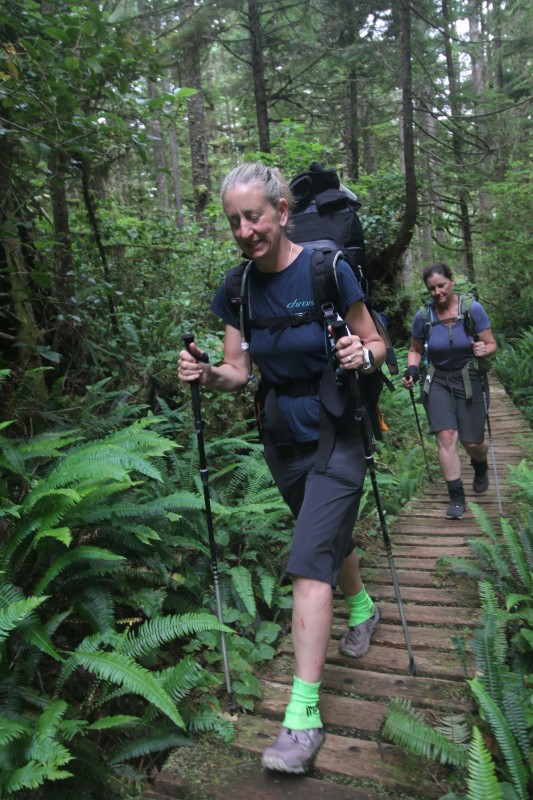
Instead, Parks Canada is focused on prevention, monitoring, interagency cooperation, and training. The agency collaborates with First Nations who have haḥuułi (territories and ancestral lands) that overlap with the boundaries of Pacific Rim National Park Reserve to reduce wildfire risks to communities and infrastructure.
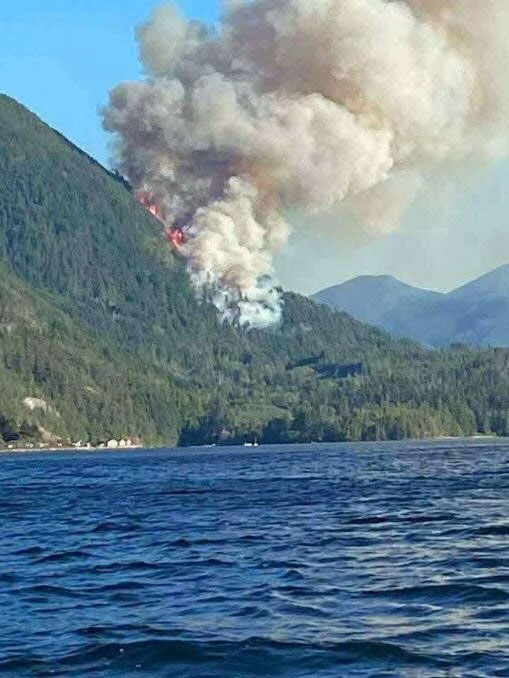
Besides some small fires, Parks Canada doesn’t have any records of significant wildfires within the Pacific Rim National Park Reserve. However, there had been fires in surrounding areas like the Mount Underwood incident that impacted nearby communities and travel to the West Coast Trail unit in 2025.
While Parks Canada cannot avoid naturally occurring wildfires that are caused by lightning strikes, they can avoid human-generated incidents. Between 1981 and 2023 about 30 per cent of wildfires in Parks Canada administered places have been caused by humans.
Human-caused fires include unattended or illegal campfires or inappropriate disposal of cigarette butts. Powerlines and railway malfunctions or damage are also a reason for these fires.
“The most important thing about human-caused wildfires is that they are preventable. The easiest way to fight a wildfire is to prevent it from starting. We encourage folks to take a moment and learn how to engage in activities that could potentially spark wildfire responsibly,” said the Coastal Fire Centre.
However, it’s important to remark that not all human-caused fires result from careless behaviors—some fires start unintentionally and can occur during everyday recreational activities, like sparks from equipment or heat generated by vehicle brakes igniting dry grass.
The National Parks of Canada Fire Protection Regulations are the legal foundation for Parks Canada’s fire prevention protocols, giving park managers the authority to close or restrict access to any parts of the national parks.
The Coastal Fire Centre relies on the public for early detection and to ensure they don’t contribute to human-caused wildfires by following the basic campfire safety rules.
“As we often say: people are both the biggest risk and the biggest part of the solution” said Parks Canada.
Another preventive measure are fire bans implemented to ensure the safety of visitors, residents and for the protection of the park. The fire bans are based on the potential chances for a local fire, taking into account the current and forecasted weather conditions, the amount of moisture in vegetation, the regional wildfire situation and the availability of responders and equipment.
A combination of moisture levels in fuels (branches, grass, logs), and dryness in the organic layers (pine needles, decomposing fuels and soils) determines if a fire ban should be implemented. Less moisture in fuel increases the chances for a fire to take hold and spread out of control. Fire bans are only lifted when conditions allow for it.
In national parks, fires are only permitted inside metal fire rings or boxes provided by Parks Canada; to reduce the chances of an ingnition spreading, open and rock ring fires are never allowed.
“[It’s important] for people to do their part and to be cautious with the use of any type of open fire, regardless of the time of the year and to always keep in mind that virtually all human-caused wildfires are preventable,” said the Coastal Fire Centre. “During a busy wildfire season, human-caused fires can take resources away from lightning-caused fires.”
Report wildfires using the BC Wildfire Service mobile app. Wildfires can also be reported by calling *5555 on a cellphone or 1-800-663-5555 toll-free.