Established Tofino business owner Karen Brodie has proudly operated a day spa and wellness facility at The Shore building on Main Street for over a decade.
But after absorbing a 32 per cent increase in taxes this year due to BC Assessment’s property value for the 2026 tax year, Brodie is concerned the assessment increases will have “far-reaching consequences for local businesses and employment.”
She said her business took the financial hit – instead of passing the tax increase on to customers – because they didn’t want to risk pricing themselves out of the market. Plus, she says they strive to keep their prices accessible and affordable for locals and visitors.
“That said, there is only so much financial pressure a small business can absorb before it reaches a tipping point,” said Brodie.
“Rising costs—from property taxes to wages, utilities, insurance, and supplies—continue to erode already thin margins. While we've chosen to absorb these increases to remain accessible to our community, this simply isn't sustainable indefinitely,” she said.
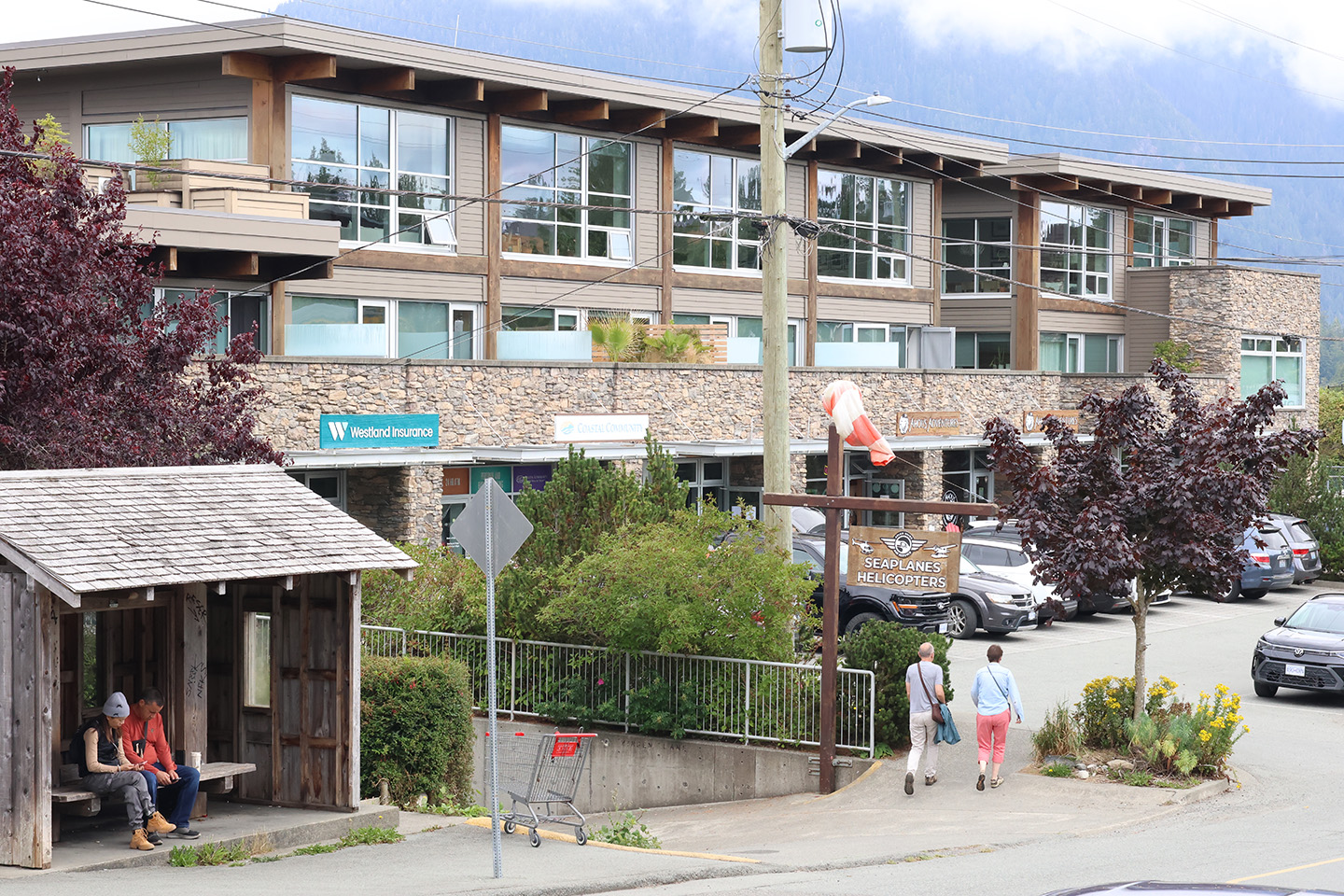
Her small business is one of several located at The Shore building on 368 Main Street within the District of Tofino and Tla-o-qui-aht First Nation traditional territory. The Tofino spa occupies two of the strata units under a triple-net lease. A triple-net lease means the tenant is responsible for paying property taxes, maintenance fees and building insurance, on top of their base rent.
This year BC Assessment values Brodie’s leased property at 316-368 Main Street to be $761,000 (Strata Lot 25). The previous year, the same property was valued at $576,000.
In early June, Brodie sent a letter to Tofino Mayor Dan Law and council, outlining her fears. She asked the district to advocate on the behalf of affected businesses.
“While large corporations may be able to absorb sudden increases in operating costs, many independent businesses cannot. Every significant increase must either be passed on to customers through higher prices or absorbed by the business itself. There is a limit to both. At some point, businesses become unsustainable,” wrote Brodie.
Developer Tom Olsen built The Shore in 2009. He owns three of the commercial strata lots, including the two leased by Brodie.
Olsen said he worked with an appraiser and went before the Property Assessment Review Board to challenge the 2026 assessment for one of his units but was unsuccessful.
Local realtor Tia Traviss says commercial properties can be tough to evaluate, due to the lack of past sales in the area to refer to.
“When I evaluate properties, I use past sale prices as a guide, and I rarely look at sales outside of Tofino because they are not a fair representation of what something will sell for in Tofino. Ucluelet past sales can be helpful, but you must add value to the Ucluelet past sales, because Tofino properties generally sell for higher values than Ucluelet properties,” said Traviss.
“Assessment values are not consistent,” she continued. “They are sometimes high, sometimes low, and sometimes right in line with past sale prices. Lack of sales can also cause assessments to take big jumps. If no comparable properties sell for a long period of time, the assessment may stay the same. When a neighbouring or comparable property finally sells, if the market has increased exponentially from the last sale, it can cause a drastic jump in assessed value.”
What is the fair market value?
In 2023, the Ahousaht Ha’wiih (hereditary chiefs) purchased assets from the former adventure tour company Ocean Outfitters to launch the Indigenous-led eco and culture adventure tour company Ahous Adventures.
The acquisition included a fleet of five 12-passenger boats, a mechanic shop, staff accommodations and two units at The Shore on Main Street. Ahousaht Ha’wiih made the transaction through the Maaqutusiis Hahoulthee Enterprises Inc. (MHEI) and Maaqutusiis Hahoulthee Stewardship Society (MHSS).
While the private sale was not disclosed, Brodie speculated in her letter to council that it seemed the properties sold “significantly above market value.”
BC Assessment also increased the value of Ahous Adventure’s storefront units by 33 per cent for the 2026 tax year.
Ahous Adventures declined to offer a comment for this article.
Jason Yochim is the Chief Executive Officer for the Vancouver Island Real Estate Board and a director on the Nanaimo Chamber of Commerce.
“We always like to think in real estate that the market determines true value,” said Yochim. “Often, the assessed value is lower than market, but not always.”
He says when it comes to Indigenous businesses purchasing property, they also want to pay fair market value.
“My experience in the Indigenous business community is they are very astute businesspeople. They are making a very big impact, especially in Nanaimo here with Snuneymuxw First Nation and Petroglyph Development,” said Yochim.
A quick online search of Tofino commercial real estate listings shows a neighbouring retail property on Tofino’s Main Street is listed for $3.9 million. The property also includes waterfront zoning, which allows for a hotel, restaurant, retail, marina or mixed-use development.
Olsen has decided to sell all three of his commercial strata units at The Shore that were subject to the 32 per cent assessment increase. The sale price is $1,635,000 for the three units, which is below the assessed value, according to the listing.
“I do not see that I will continue to find tenants that will be successful in retail paying these rates with the additional municipal tax increases that were caused by the client overpaying for the two comparable units purchased in January 2023,” said Olsen.
The developer added that independent businesses in Tofino are struggling, with mounting challenges from the repositioning of capital in the local marketplace and other issues that come with the resort town being an international tourist destination.
“Tofino is reaching a breaking point for the people who live and work there,” said Olsen.
Yochim thinks the concern about high property assessments impacting small business sustainability is valid.
“There needs to be more of a focus on business development and that takes all levels of government. The economies of scale for a larger organization are often better because they are spreading their risk instead of the small business owner who has one location,” said Yochim.
He thinks the issue is rooted to housing affordability.
“How do you bring in workforce housing to be able to build infrastructure if they can’t afford to live here? We can’t build a sustainable economy on people coming here to retire. That’s an important part of our economy, but if that’s all we’re leaning on, I think this is a problem,” he said.