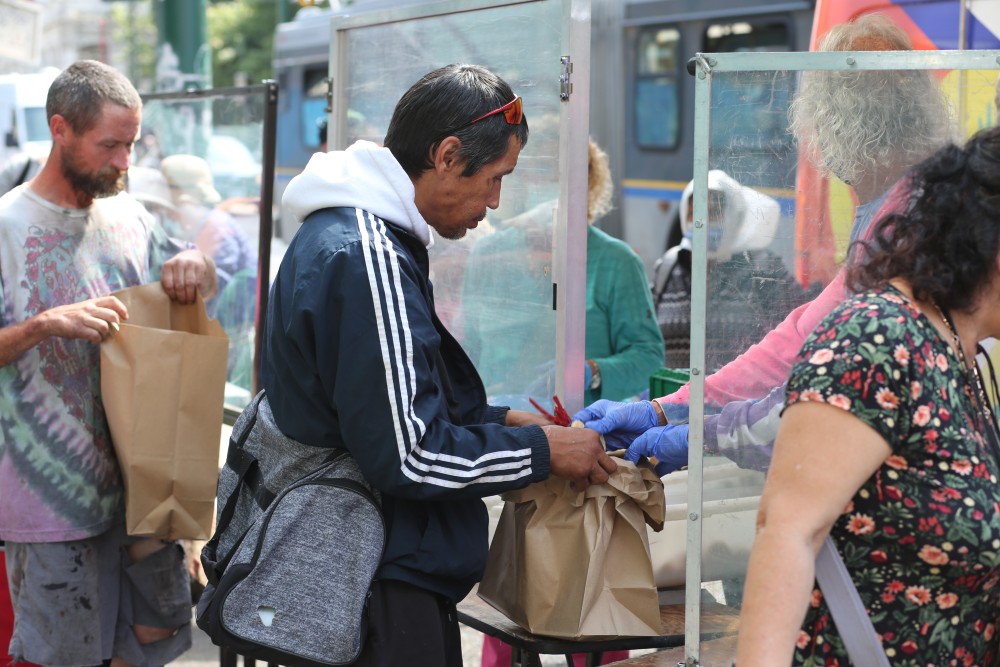
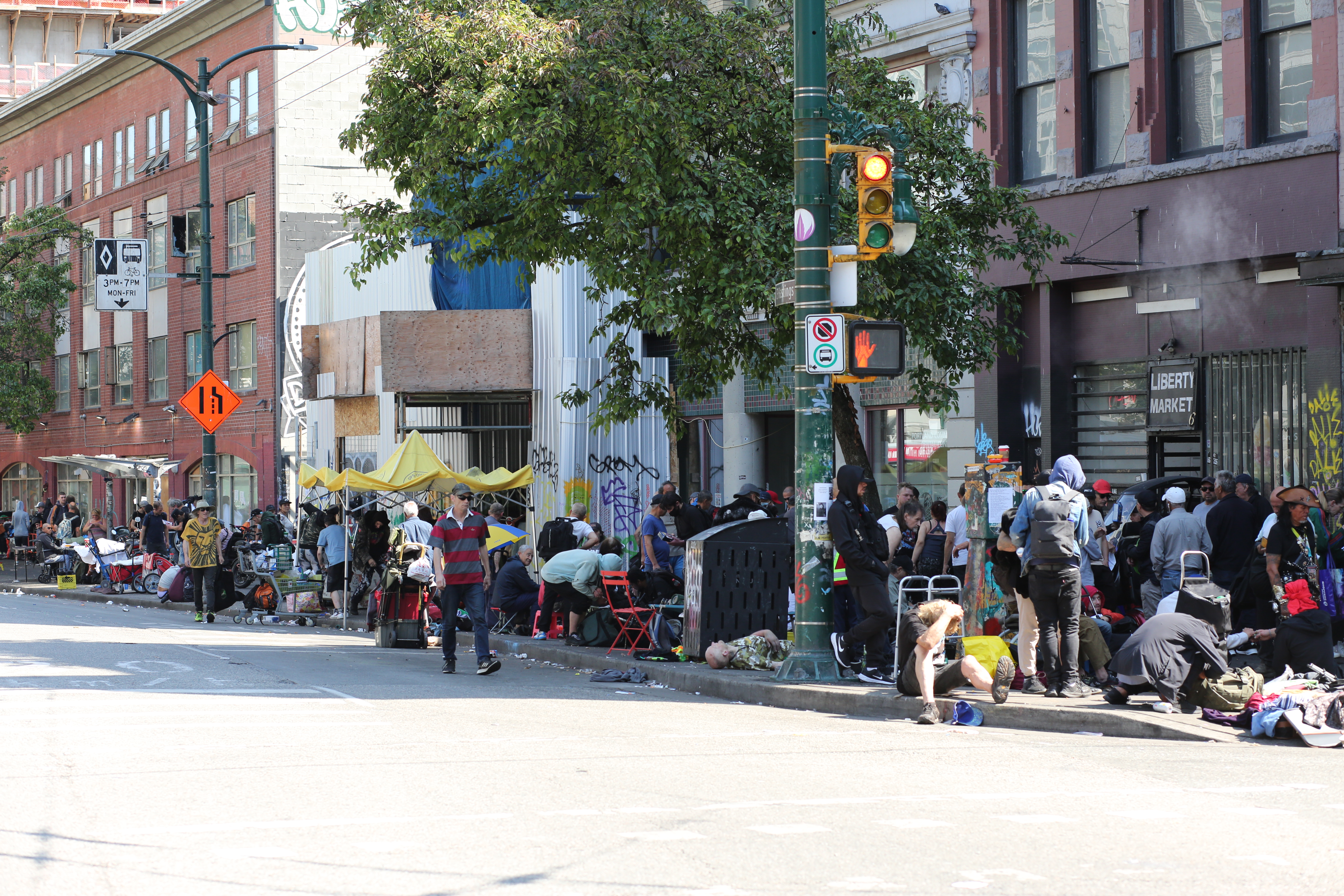
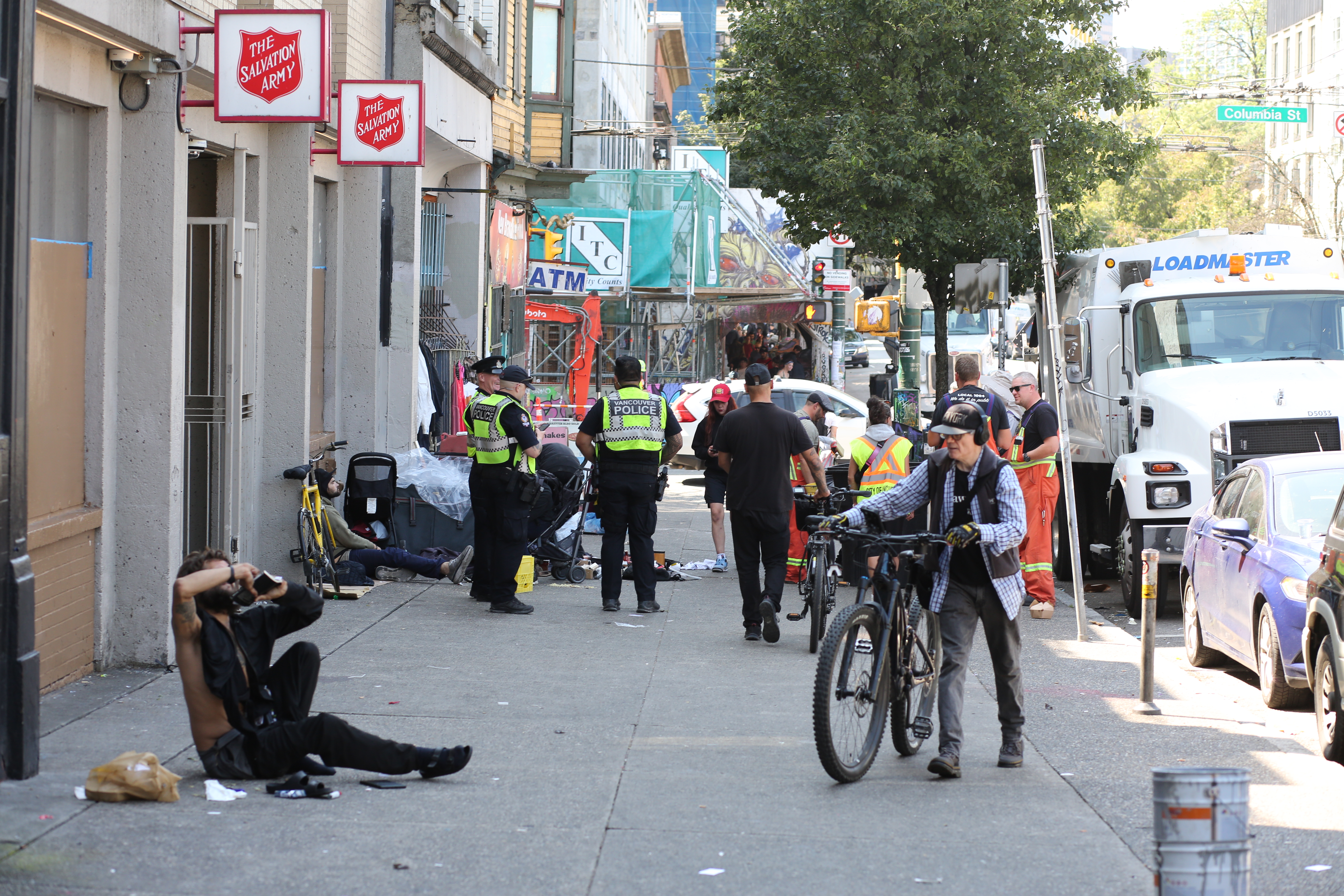
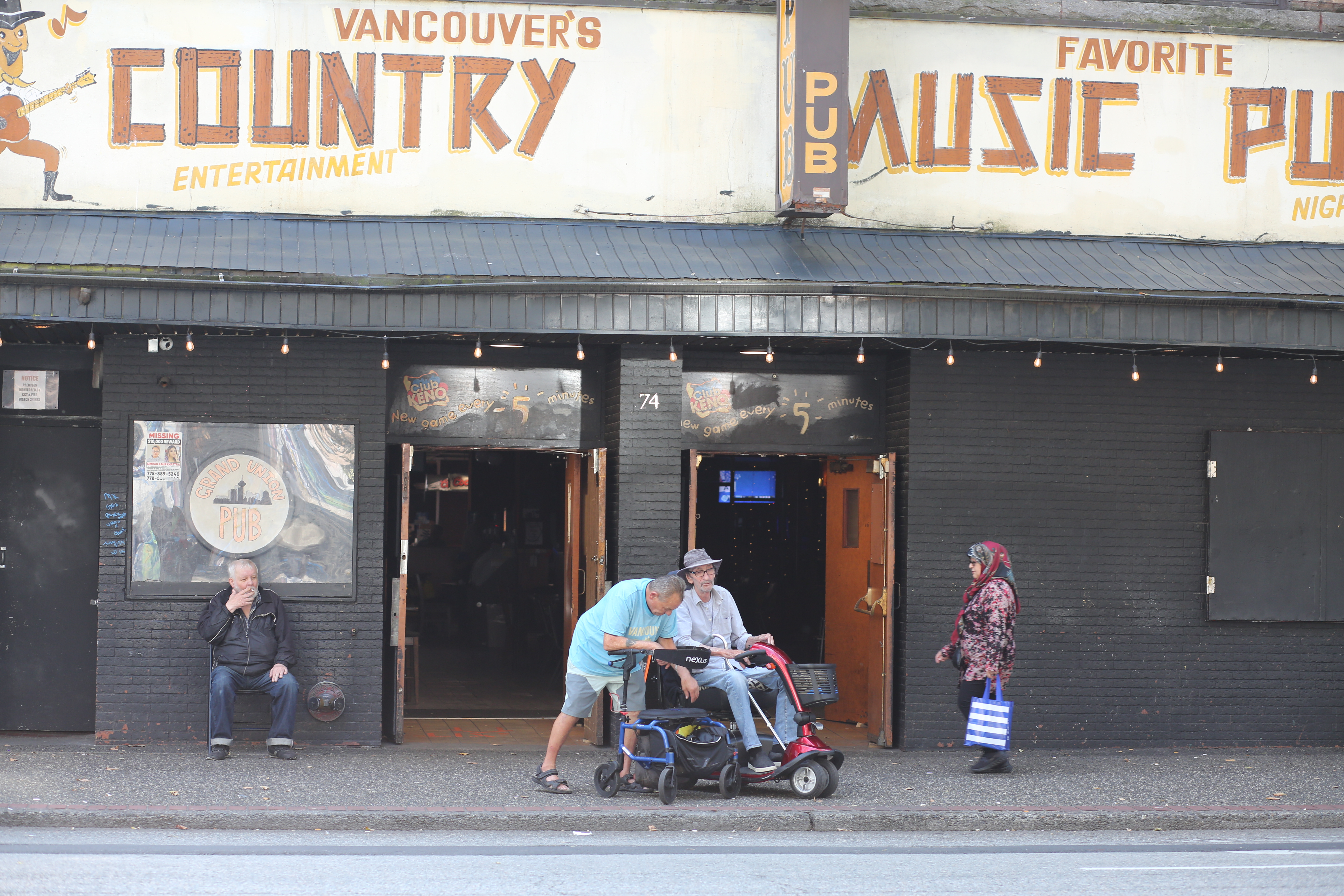
As Vancouver residents consider a tougher approach to drug use in a plebiscite vote this fall, a Downtown Eastside outreach worker cautions that the last thing substance users need is to be pushed into the shadows.
Following recent direction from Vancouver City Council, an additional ballot will be available to voters during the upcoming municipal election on Oct. 17.
“Vancouver has experienced unprecedented levels of street disorder, open-air hard drug use, and disruption to community safety and individual health,” states the city’s introduction to the plebiscite questions. The ballot asks if Vancouver should strengthen its laws to ban public drug use, and if the old St. Paul’s Hospital should open to voluntary and over 100 involuntary care beds for those at risk of harming themselves or others due to substance use and mental health disorders.
Following the province’s decision in January to not continue with drug decriminalization and the cancellation of a downtown Vancouver safe consumption site early this summer, the plebiscite is the most recent example of a changing political approach to how the ongoing opioid crisis is dealt with.
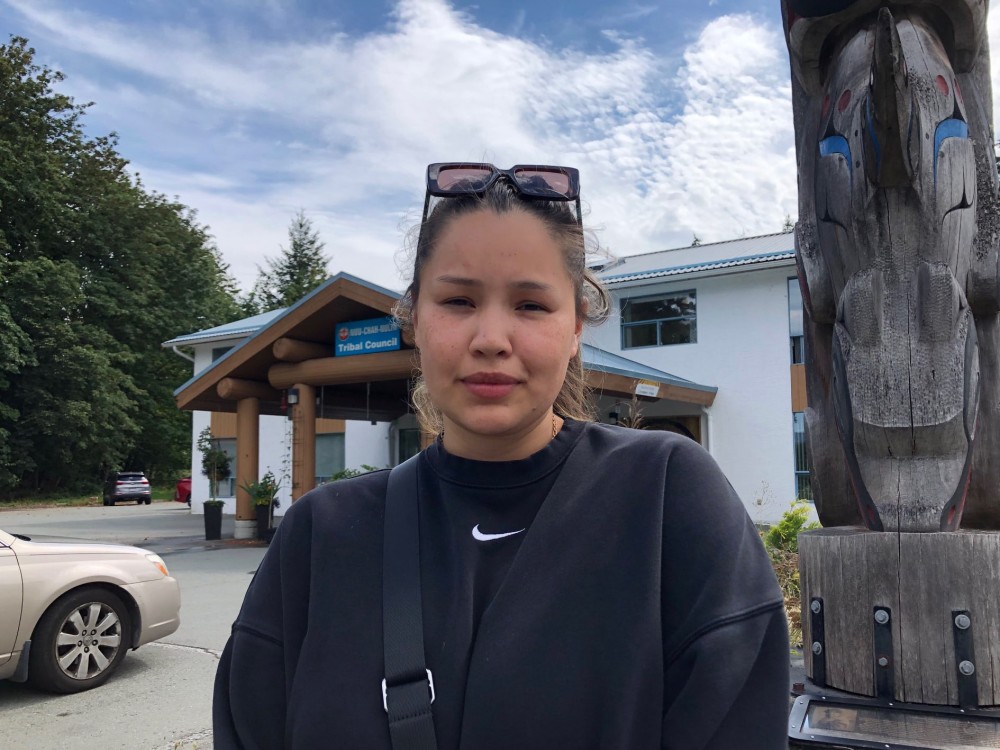
Somer McCarthy has worked in outreach in the Downtown Eastside for a decade, since she was 17. Currently serving as an DTES outreach worker for the Nuu-chah-nulth Tribal Council, she disagrees with claims that drug users are being enabled to continue in their addiction. What is lost to many people is the harm inflicted by negative perceptions, she said.
“They don’t see them as human,” said McCarthy. “It’s pulling away their hope for any type of sobriety.”
“They need somewhere where they’ll feel safe and not judged,” she added. “They’re judged by everybody else in the world.”
Aug. 31 marked International Overdose Awareness Day, recognizing a public health emergency that has become the most common cause of unnatural death in British Columbia, surpassing car crashes, suicide and homicide combined.
The most recent statistics from the BC Coroners Service show an average of 4.6 deaths each day from illicit drug poisoning in June – an increase from the previous month but part of a downward trend across the province since 2023, when overdose deaths peaked at over seven a day. Data from the first six months of 2026 shows 75 per cent of fatalities to be male.
“With the men that I’ve seen it’s a lot of isolation, a lot of ‘I can tough it out on my own’,” observed McCarthy. “They don’t want to be a burden to their family, so they would rather have a home and family on the Downtown Eastside.”
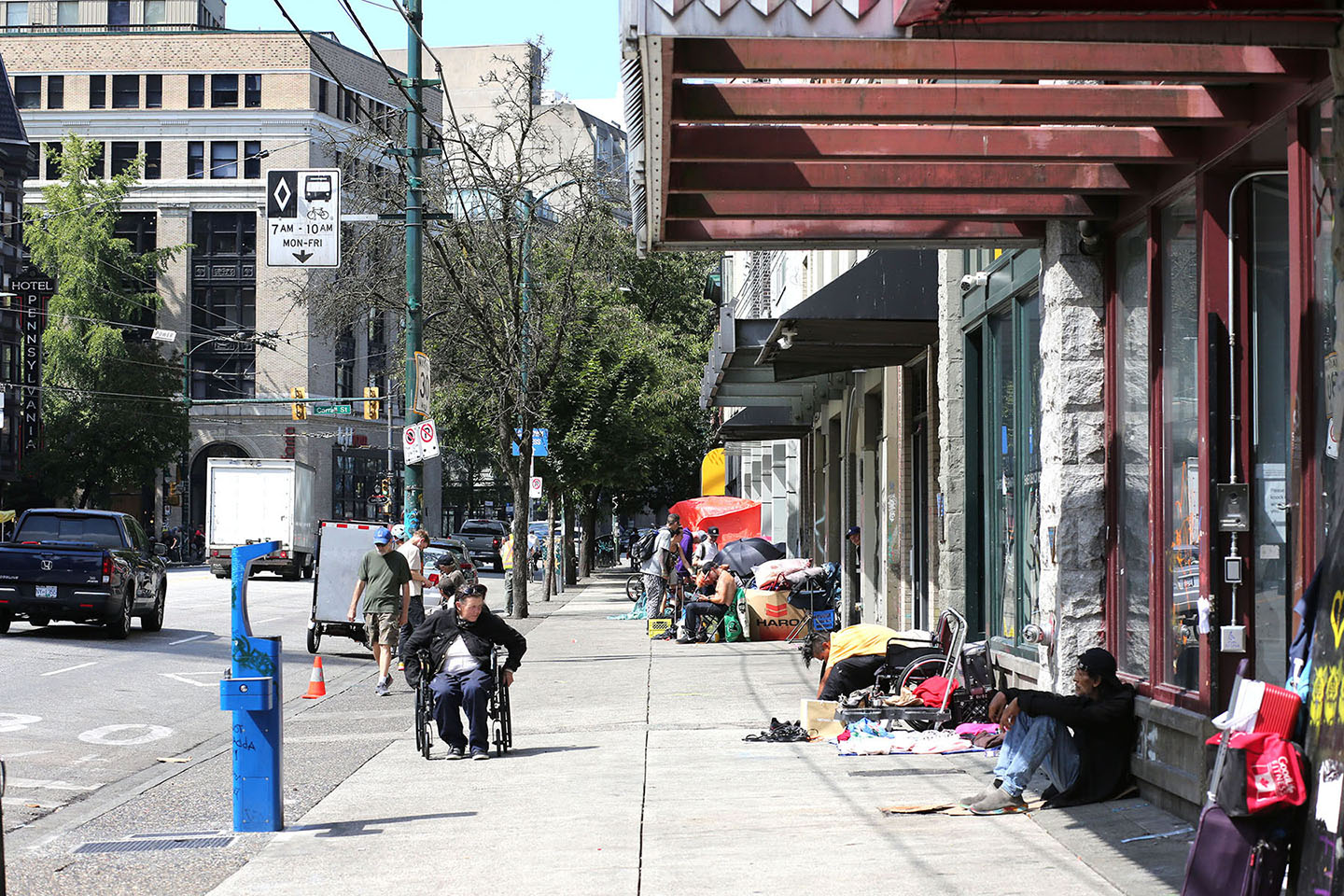
The DTES is part of Vancouver-Centre North, a local health area that has consistently presented by far the highest rate of overdose fatalities over the course of the opioid crisis. Data from the first half of this year shows the downtown neighbourhood with more than triple the fatality rate of Merrit, which ranks second in the province.
But McCarthy has seen improvement in recent years. She spoke with Ha-Shilth-Sa while passing through Port Alberni, after transporting a client who was headed to her home Tla-o-qui-aht community for treatment in a transitional house near Tofino. McCarthy managed to get the client into an initial period of detox in Vancouver to begin the healing process.
“She’s completely homeless sleeping in a tent when I found her,” said McCarthy. “I had gotten her sister, actually, in treatment within a week. Her other sister was still on the Downtown Eastside and reached out to me to ask if I could meet with her.”
Within the last year the Nuu-chah-nulth Tribal Council introduced two DTES outreach positions, who work in partnership with the All Nations Outreach Society. McCarthy and her partner normally perform three hour-and-a-half “street sweeps” each day, watching for those at risk of having a drug overdose. They help everyone at risk, including non-Indigenous users.
“In the 10 years, this has been the least that I’ve seen it. Once every three days,” said McCarthy of the OD incidents. “I’ve seen multiple people who are struggling with their addiction have Narcan on them. If their friend is overdosing they’ll use it or they’ll call one of us outreach workers who they see walking by.”
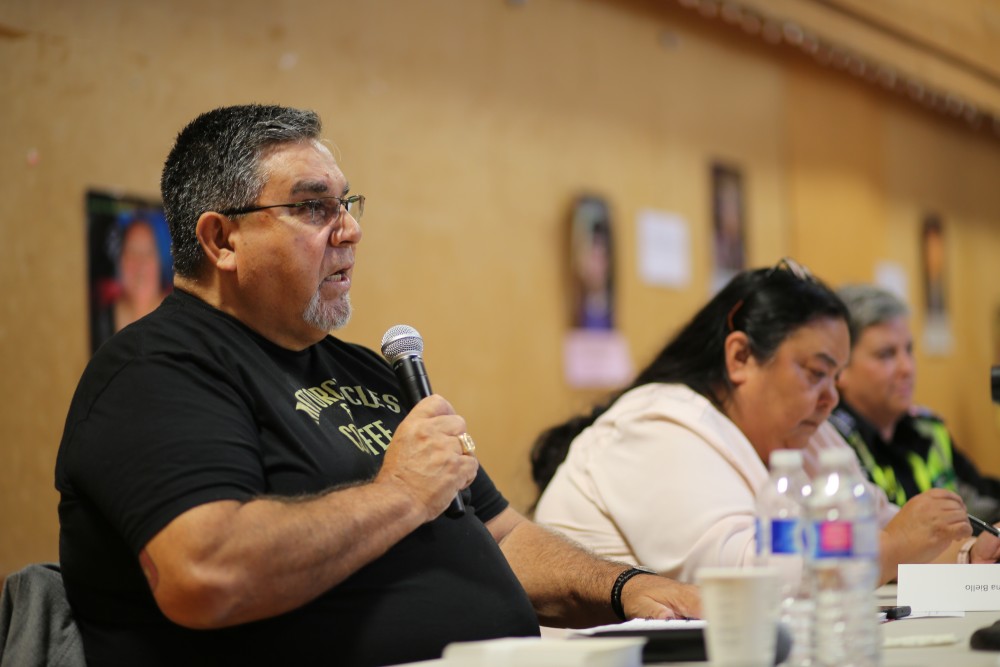
Along with NTC President Judith Sayers and Executive Director Florence Wylie, NTC Vice-President Les Doiron pushed for the DTES outreach positions to help the many who struggle on the streets.
“I’ve watched so many young people die,” said Doiron. “The magnitude of the problem is 1,000 times bigger than what people really think it is.”
Part of the problem comes from displacement, as many First Nations people leave their home communities due to a lack of housing and employment.
“Eighty per cent of the Indigenous population in this country are urban,” said Doiron of people relocating to cities. “It removes you from family, it removes you from traditional food and it removes you from culture on who you are as an Indigenous person.”
For Doiron the issue is deeply personal, after he lost his nephew, Charles Leslie Alexander Doiron, nearly five years ago to a drug overdose in Port Alberni.
At the time young Charles was trying to detox himself, as Les struggled to find any help from the First Nations Health Authority or any other government agencies.
“I tried at that point everything in my power to get him into detox,” said Les, who encountered waiting periods of months for his nephew. “At that time there was nothing. Have things changed really? If it has it’s not by very much at all.”
All it took was for Charles to relapse once.
“He used,” said Les. “What happens when you use the same amount you did a month ago, your heart can’t take it.”
For McCarthy, maintaining a trusting connection is critical for keeping alive hope of a better life.
“For my clients, If I stop showing up, where are they going to go?” she asked. “Basically, just being a friendly face has made a difference. I see people wanting to ask for help because they see that they’re cared for by somebody else.”