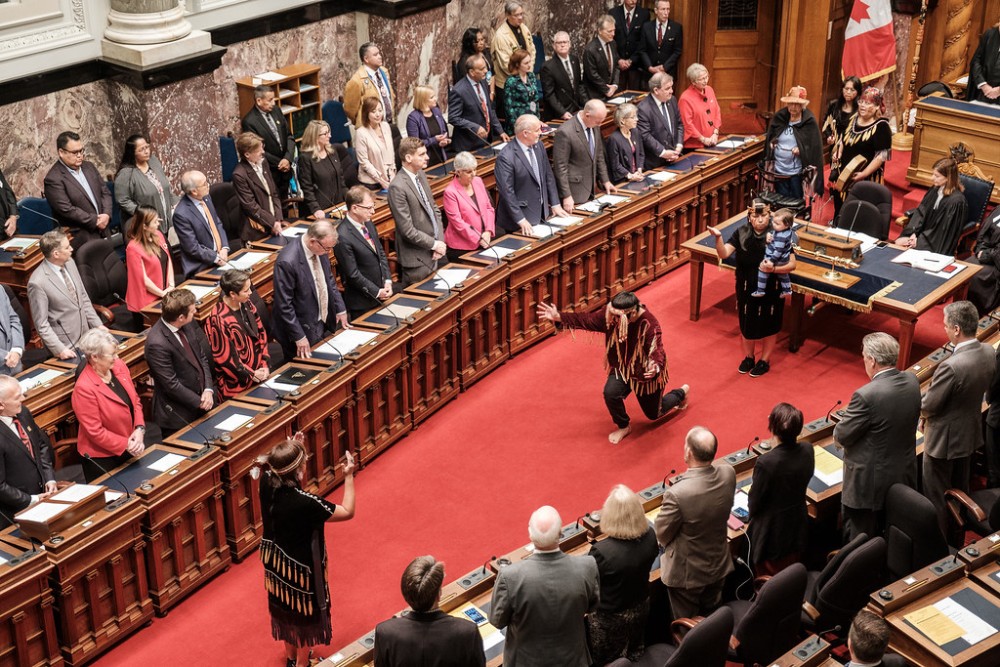
It’s been almost seven years since First Nations took to the red carpet in the B.C. legislature, celebrating in ceremony as MLAs stood on either side to mark a historic piece of legislation that put Indigenous rights into law.
The Declaration on the Rights of Indigenous Peoples Act passed unanimously in Victoria on Nov. 28, 2019, making British Columbia Canada’s first province to legally recognize an international call to action. DRIPA is intended to align B.C.’s laws with the United Nations Declaration on the Rights of Indigenous Peoples, which stipulates that a government has the duty to gain the “free, prior and informed consent” from an Aboriginal community before development occurs on its land.
But over recent years public and political sentiment over DRIPA has been far from unanimous, with the B.C. Conservatives pledging to kill the legislation if they are elected to lead the province on Oct. 24.
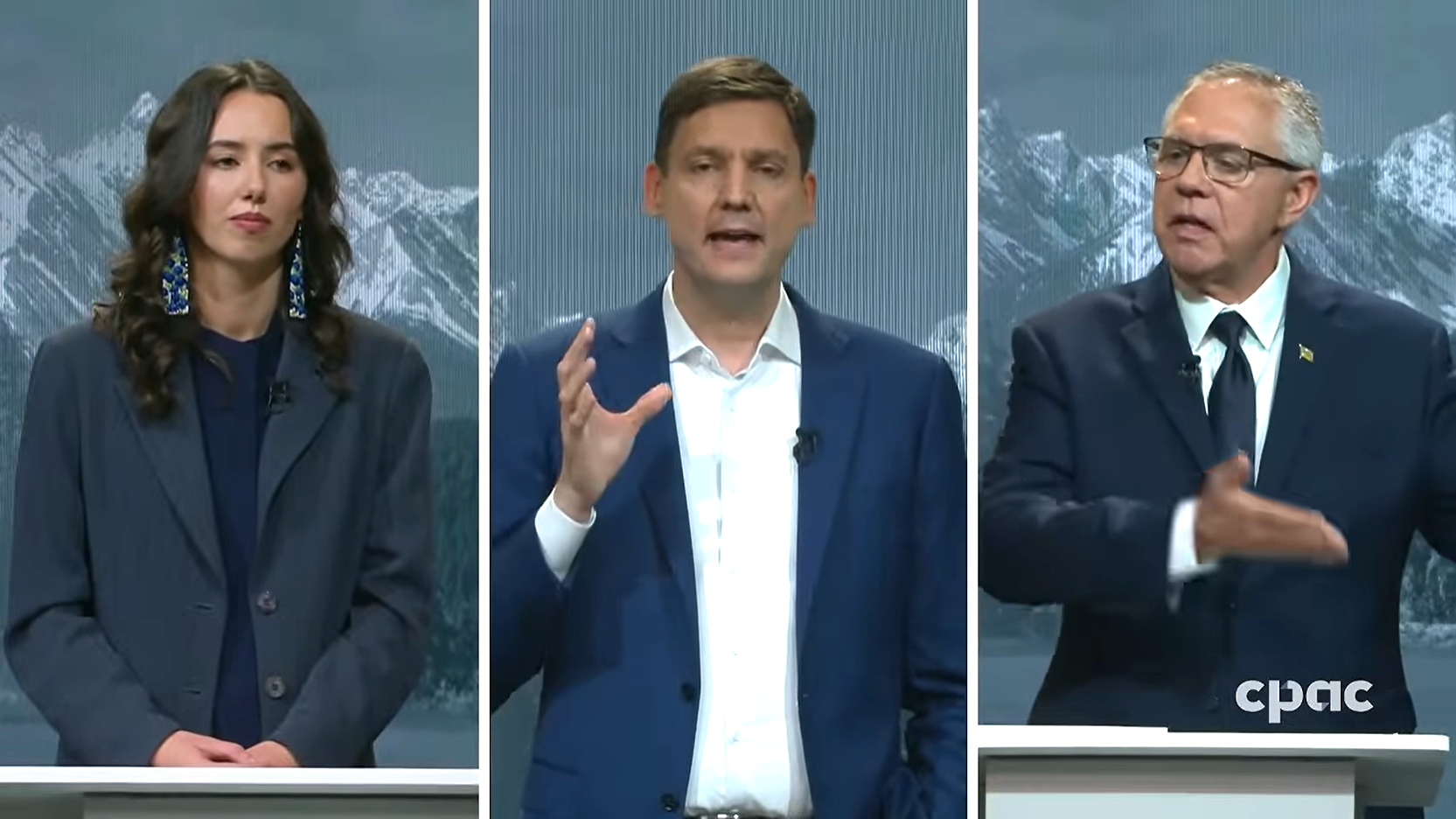
“The reality is that DRIPA has to be repealed in this province,” said B.C. Conservative Party Leader Lorne Doerkson during a televised debate on Oct. 14. “It has not helped British Columbia. It has created more division on the landscape than I have ever seen in my life.”
Even NDP Leader David Eby, who was attorney general when his party passed the legislation in 2019, has pointed to issues with DRIPA. In the spring he announced plans to suspend parts of the act for three years, allowing the government time to amend the legislation, as a flood court challenges were expected from First Nations seeking to exercise their rights under the law. Indigenous leaders opposed any amendments, and Eby backed down from this plan after members of his own party refused to support suspending parts of DRIPA.
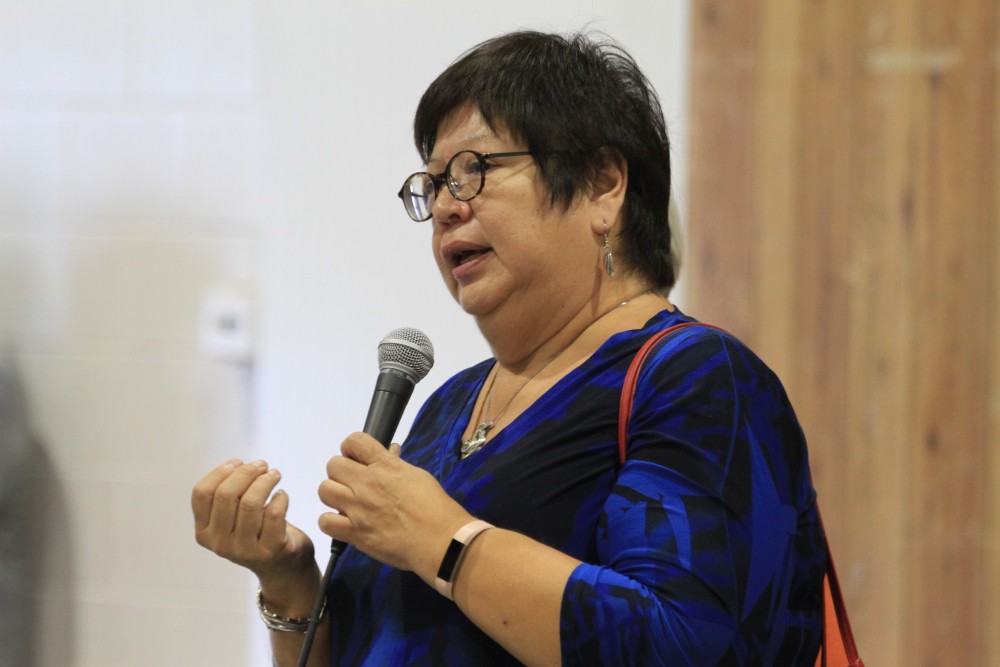
Since that time Cloy-e-iis, Judith Sayers, president of the Nuu-chah-nulth Tribal Council, has worked on a committee of chiefs tasked with finding ways to better implement the legislation.
“If we had to tweak DRIPA in order to do something, we would do that - but we would not be repealing the key sections,” she said.
Eby’s plans to amend the law came after a decision from the B.C. Court of Appeal found that the province’s mineral tenure system failed to align with DRIPA commitments to First Nations. The Gitxaala and Ehattesaht First Nations challenged B.C.’s system of granting mineral rights, a process that did not require Indigenous consent before exploratory mining occurs in their territory.
With adversarial trading relations south of the border, this decision came at a time of intensifying economic stressors. During the recent leaders’ debate Eby referenced how this court ruling could impact British Columbia’s economy.
“We cannot afford to have these major projects tied up in the courts and not delivering jobs and opportunity for British Columbians,” he said. “All of these projects, the reason these things are happening is because we have entered into these projects that are enabled by [DRIPA]. But another thing is true too. When you own your own private property, you need to know what you have, and you need to know what you can do with it. This is why we are appealing these court decisions.”
Months before the Court of Appeal decision, in August 2025 the B.C. Supreme Court dropped a ruling that sparked a fire of anxiety among property owners in the Lower Mainland. The ruling granted the Cowichan Tribes title over approximately 300 hectares in Richmond, B.C., land which was historically used around a fishing village before it was expropriated by the government in the late 1880s. The judge found that this Aboriginal title is a “prior and senior right” to land that has since been privately and publicly owned.
In response to public fears over what this will mean in the future for property owners across the province, the B.C. Conservative Party has pledged to “protect private property rights by upholding the validity of the Land Title Act on all fee-simple properties in B.C.”
“We have to ensure private property rights for owners. We have to ensure that tenures that exist on the landscape are also protected in some way,” said Doerkson during the debate. “If we share in that wealth, that’s fantastic. But DRIPA is not solving the issue in British Columbia.”
Sayers noted that even if DRIPA is repealed, Aboriginal title will still exist in B.C., as it is recognized in Section 35 of Canada’s 1982 Constitution Act. First Nations have also formally recognized their territory long before the country was founded.
“Aboriginal title is not going to go away if they repeal DRIPA,” said Sayers. “Aboriginal title has always existed in this province.”
During the debate Green Party Leader Emily Lowan accused the two other parties of contributing to public confusion over how DRIPA will impact property ownership.
“DRIPA has no bearing on private property,” she said. “The uncertainty that has been sewn over the last year has been from a premier who can’t seem make up his mind, and it’s been from a Conservative party that is constantly pushing misinformation and blatant fear mongering.”
Reflecting on decades of provincial relations with First Nations, Sayers has seen some progress since DRIPA was passed in 2019, but she fears this work could be lost if the NDP loses power.
“There’s been some legislation that has been passed under UNDRIP that has improved the situation,” she said. “We’ve had different concepts come up from different governments, but I don’t think we’ve ever come as far as we have with DRIPA.”