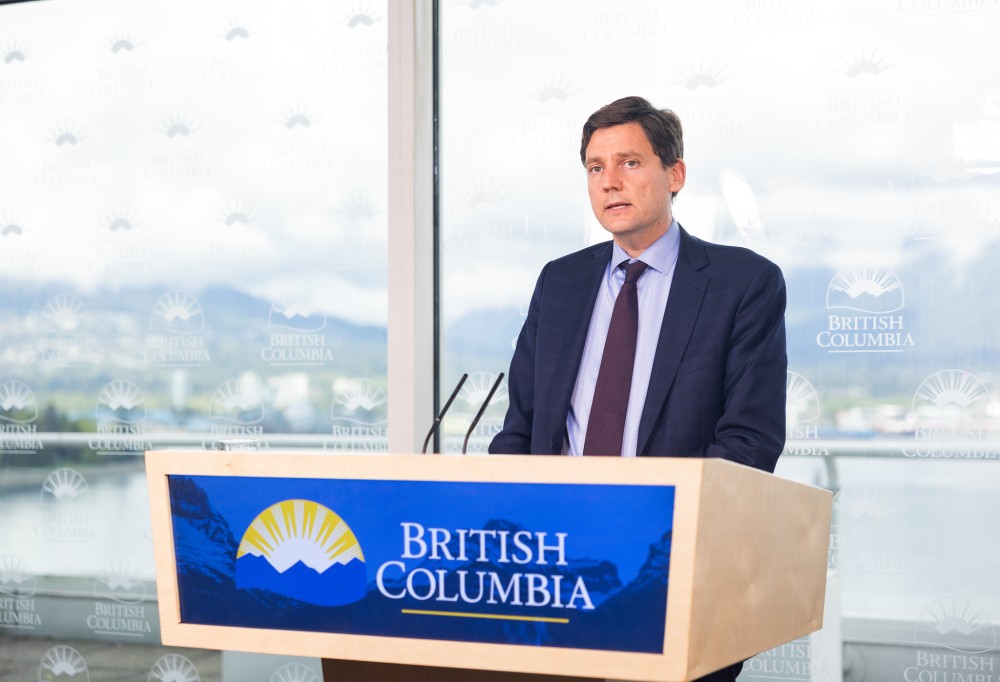
After leading the B.C. Conservatives in a landslide election victory on Saturday, the province’s next premier says he is “committed to working with First Nations” - while following through with a promise to reverse legislation that affirms Indigenous rights.
In what is destined to become a historic political miscalculation, former premier David Eby called an early election this fall – just two years after the last vote. Eby and his NDP were looking to improve on a narrow majority in Victoria while the opposition Conservatives were in disarray under the unelected Kerry-Lynn Findlay. But the party removed the controversial leader and regrouped under interim leader Lorne Doerkson, who is now set to be B.C.’s next premier after his party won 63 seats in the Oct. 24 election. The NDP nosedived to 28 seats, while the Green Party of B.C. earned two.
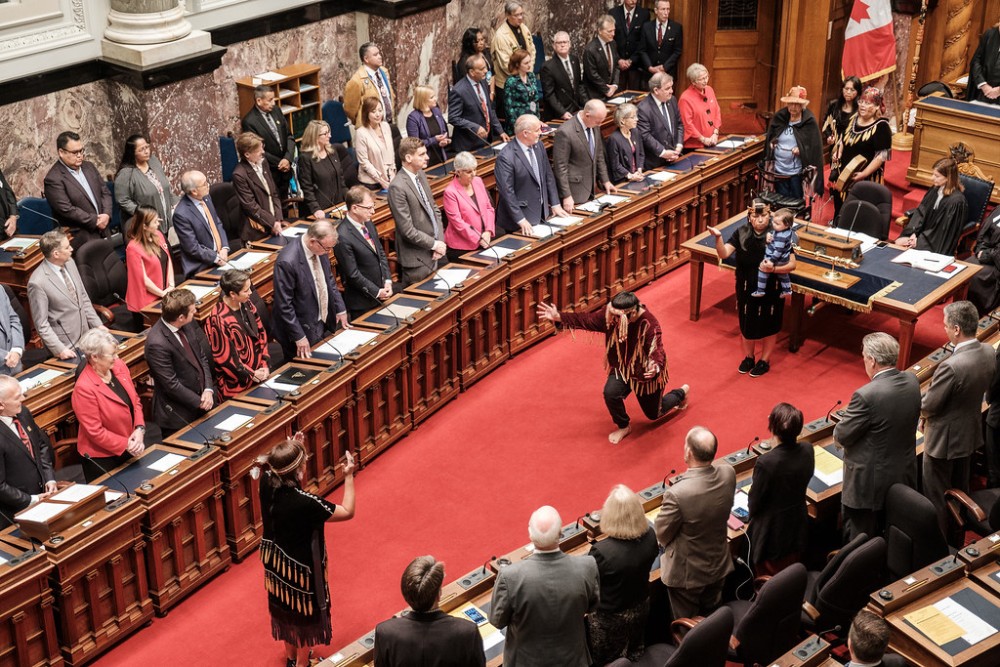
Ironically, Oct. 24 was exactly seven years since the Declaration on the Rights of Indigenous Peoples Act was introduced in the B.C. legislature. The act tasks the province to align all B.C. laws with the United Nations Declaration on the Rights of Indigenous Peoples, an international call that includes the duty for a government to gain “free, prior and informed consent” from an Aboriginal community before developing or using their territory.
Back in 2019 DRIPA passed in Victoria unanimously, but this fall the Conservatives campaigned under a promise to reverse it.
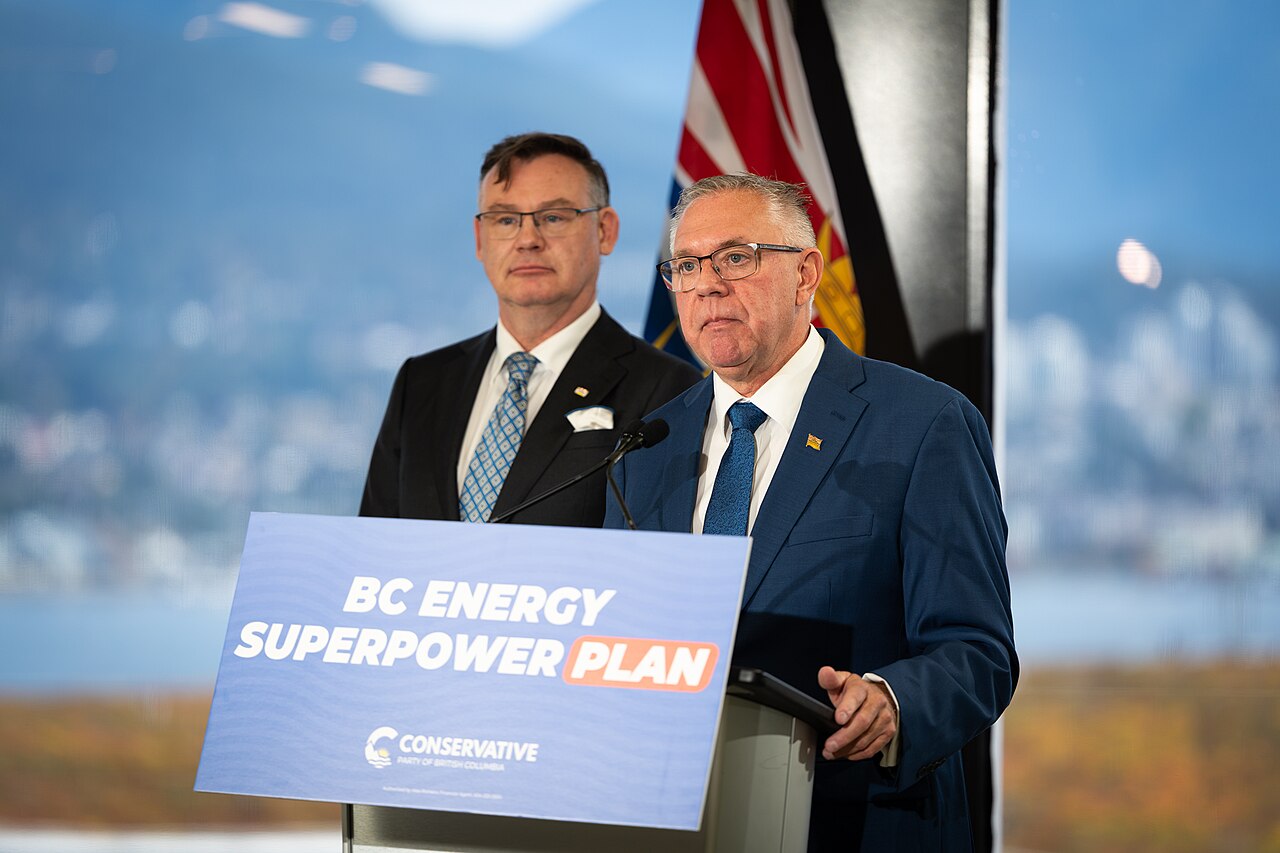
“I am still committed to the repeal of DRIPA,” reiterated Doerkson during a press conference the day after his election victory. “We are in court all over British Columbia, with respect to docks in Pender Harbour, mining opportunities in the province, it hasn’t solved anything.”
“If DRIPA had the opportunity to solve the problems in this province, we wouldn’t be in court,” he added. “It has not worked in this province and frankly I think it has caused more problems to date than potentially anything else.”
“It’s going to be a difficult government to work with,” said Nuu-chah-nulth Tribal Council President Cloy-e-iis, Judith Sayers of the election result. “I thought it was a very, very sad day.”
In the B.C. Conservative Party’s election platform, the call to repeal DRIPA falls under a section on protecting private property rights. This is an undeniable reference to the fallout from the Cowichan decision in August 2025, when the B.C. Supreme Court granted Aboriginal title to the Cowichan Tribes. The judge recognized 300-hectres around a former fishing village in Richmond, B.C. that the First Nation was expropriated from in the late 1800s, stating that the Cowichan’s has a “prior and senior right” to this land above the private and public lots that developed there over the past century and half.
Many in the region and across the province came to believe that this means Aboriginal title would supersede private property. This could be part of the reason why so much of the southern Lower Mainland voted Conservative, says Kimberly Speers, an associate teaching professor in Public Administration at the University of Victoria.
“In southern mainland it’s almost all blue. Some folks attribute that to the Cowichan decision,” she said. “I know that there’s been lots of racism towards Cowichan Tribes since that decision.”
“I think it’s clear that fear mongering unleashed around the Cowichan decision and the other issues linking DRIPA to private property and title has led to a grave and purposeful miscommunication,” noted Davina Bhandar, an associate professor at UVic and chair of Gender Studies.
Bhandar said the issue around Aboriginal title and private property isn’t as simple as it was portrayed during the election.
“I think it’s a misunderstanding, and that there are many ways of thinking about property relations in this province,” she said. “Thinking about territorial land base and how to have territorial land base brought back under Indigenous governance is something that needs to be understood.”
Sayers said that DRIPA does not affect people’s homes or private property, and that First Nations title to their territory was declared long before Lorne Doerkson was elected to be premier.
“He’s feeding into the myth that Aboriginal title doesn’t exist,” noted Sayers. “People don’t understand how in law they’re protected. He fed into that a lot.”
Since DRIPA passed with celebratory fanfare in 2019, implementing it proved to be a considerable challenge for the NDP. In the spring Eby even tried, unsuccessfully, to suspend parts of the legislation to avoid more court challenges.
“A key failure of Premier Eby’s government lay in its inability to clearly communicate a transparent and accountable implementation plan for the Declaration Act, which contributed to the spread of misinformation and fear,” stated the First Nations Leadership Council in a post-election press release.
Far more prevalent topics during the election were economic development in the face of a US trade war, the rising cost of living and a disfunctional health care system. Doerkson has pledged to “supercharge” the economy by supporting projects like the Pacific Link pipeline, an initiative listed by Ottawa in the “national interest” that would funnel one million barrels of crude oil each day to the south B.C. coast for overseas export.
“This is an exciting time for First Nations and our partnership because I am completely committed to working with First Nations,” said Doerkson during the Oct. 25 press conference.
But as he expects that DRIPA will be debated during the spring legislative session, it remains to be seen how Doerkson’s party will be able to gain the participation of First Nations for big resource developments.
“Going forward we, as a province - and those interested in progressive politics - will need to collectively rely on Indigenous governance to push the agenda on land use further in creating resistance to what might be coming down the pipe through this Conservative government,” said Bhandar.
“There are no economic projects in this province with the beautiful natural resources found here, that can happen without involvement from First Nations,” stated Chief Shana Thomas of the First Nations Summit Political Executive in a press release.