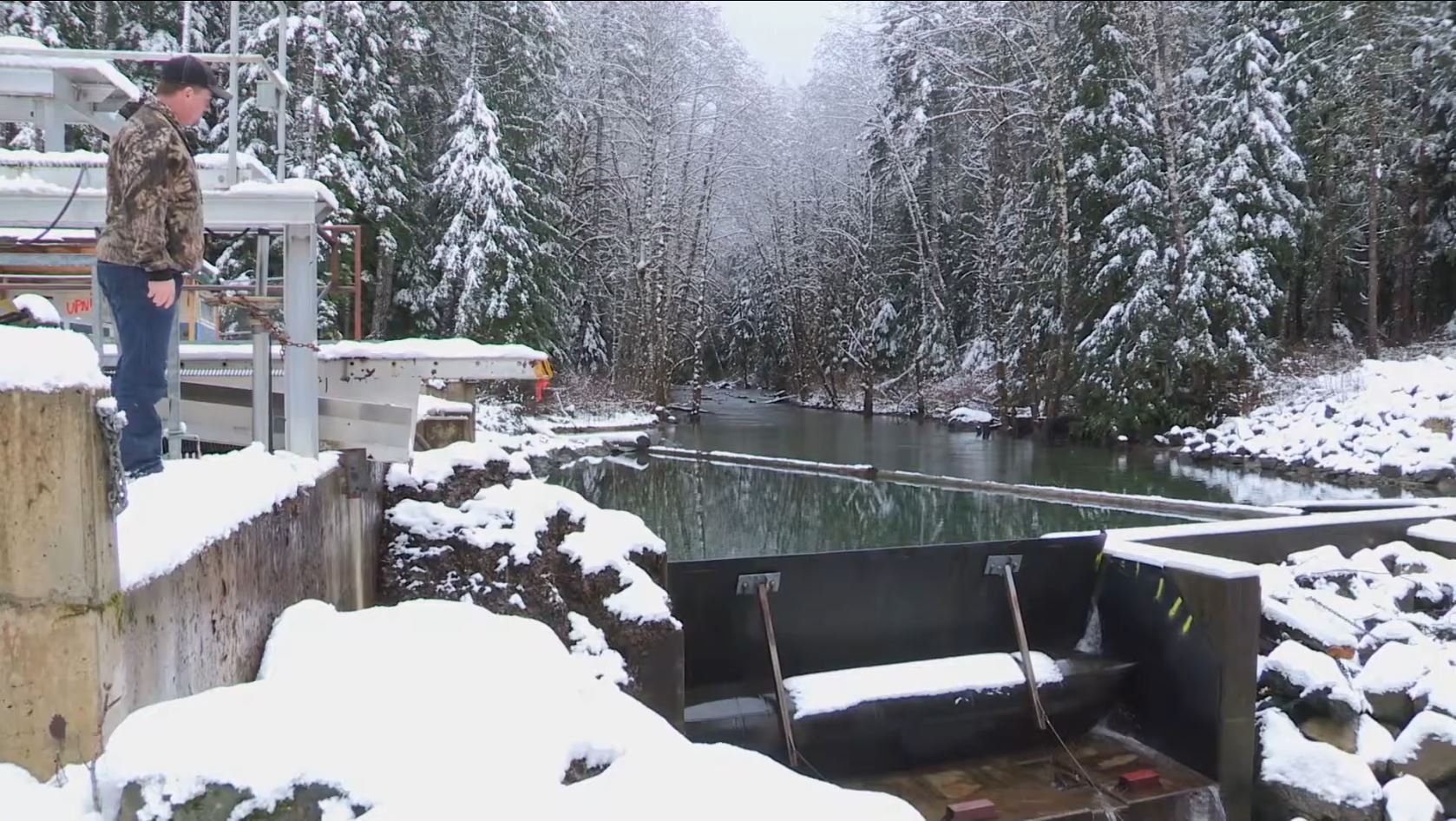
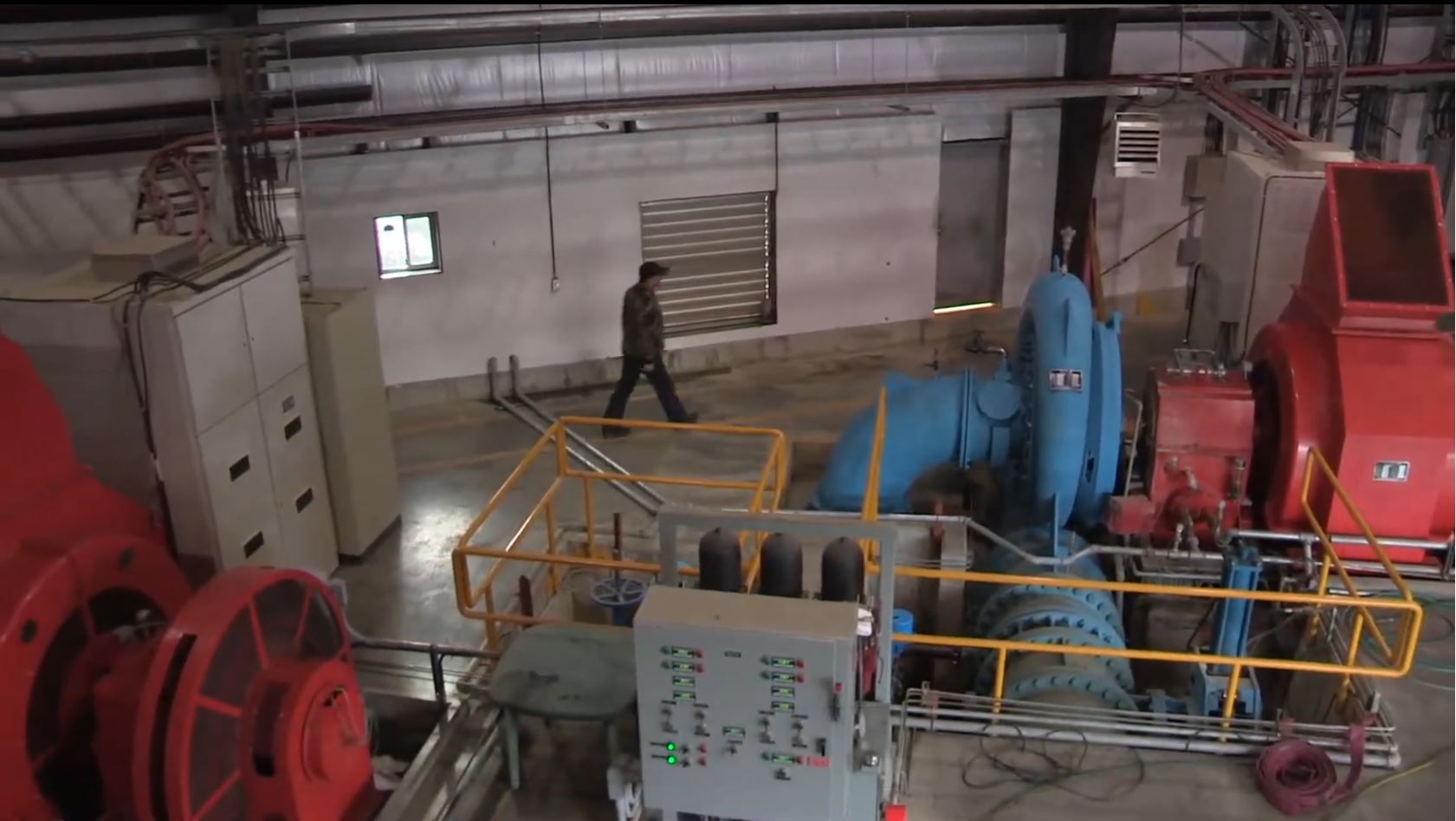
A seed was planted for Cole Sayers 25 years ago, when the Hupacasath First Nation embarked on the development of an innovative clean energy plant that could power thousands of homes.
Under the leadership of his mother Judith Sayers, Hupacasath’s elected chief at the time, the First Nation opened the China Creek Micro Hydro Project in 2006.
The China Creek Micro Hydro Project was constructed at a cost of $14 million. Majority owner Hupacasath First Nation sells energy to BC Hydro through an energy purchase agreement that amounts to about $1.6 million per annum.
Since that time, other Nuu-chah-nulth First Nations have developed similar clean energy power plants, including Tla-o-qui-aht and Hesquiaht.
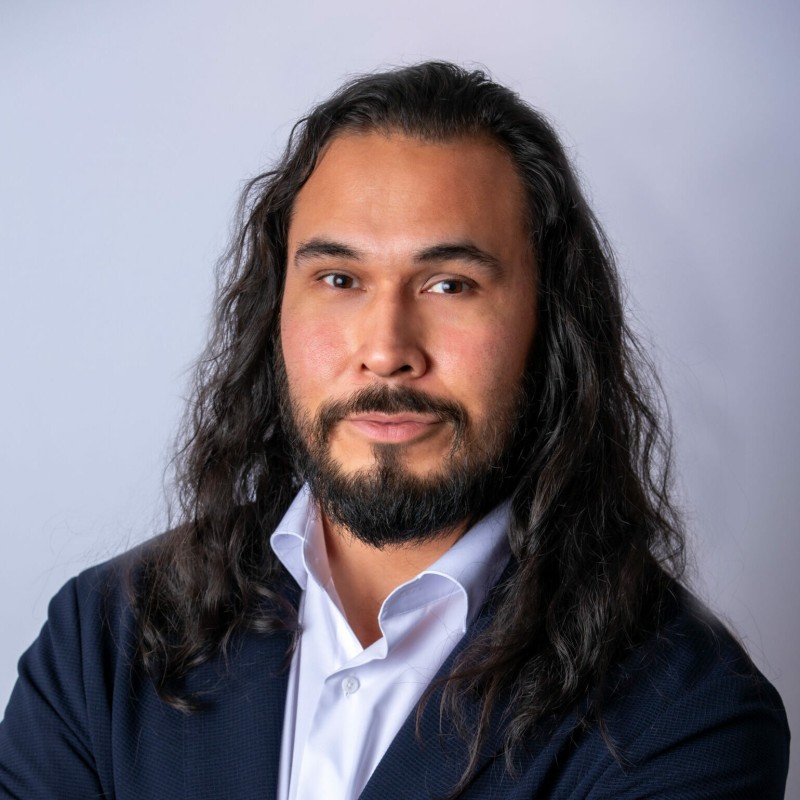
Cole Sayers has been working with First Nations to develop clean energy projects to help meet their electricity needs and to provide a revenue stream. He is the executive director of Clean Energy BC, as well as the Indigenous Power Coalition.
“What I've been working on is First Nations and industry partnerships within the renewable energy sector and really trying to assist in building capacity within First Nations to have even stronger partnerships,” he said.
British Columbia is growing and so is the need for electricity. There are homes, industry and electric vehicles that need electricity and the province is calling out for clean energy projects to meet the demand.
“And that's what I focus on at my role at Clean Energy BC,” said Sayers.
The co-founder of the Indigenous Power Coalition, Kwatuuma Cole Sayers brings together First Nations and industry to develop clean energy solutions that benefit all.
Looking back on how electrical power was developed in Canada, Sayers says a lot of First Nations were left out of the planning and development process.
“Especially in B.C. and Manitoba…we know the impacts of flooding of our territories, transmission lines that come through our territories, and we don't see any benefits. Or we didn't have any say on how that was built,” he noted.
The work of the Indigenous Power Coalition flips this script.
“I don't want developers or utilities or whomever to come to our nations with a project that's already pretty much baked and they're only coming with us with a small equity offer,” said Sayers. “First Nations want to be partners and they also want to have influence on how that project is going to be designed and built from the very beginning.”
First Nations also want to be owners, so that they have a stake in how these projects are built.
Since the first run-of-the-river micro hydro projects were built in Nuu-chah-nulth territories, other clean energy projects have followed on Vancouver Island, including a small-scale wind farm at Cape Scott, on the northern tip of Vancouver Island.
Sayers says wind farms can be built on a larger scale as a clean energy option, but British Columbia’s rugged landscape poses challenges.
“There's not many ports that can receive these very large turbines,” he noted.
Once you get on land, movers must consider roadway weight limits, tunnels, sharp turns and grades, and all those factors cost money.
“And ultimately, that's going to result in the rate payer (customer), so we want to make sure that we can do it very quickly, but also very responsibly,” said Sayers.
As announced by Prime Minister Mark Carney in May, Canada is looking to build out its power grid, doubling it’s capacity by 2050.
“All that new infrastructure is going to be built on our lands,” said Sayers. “I want to ensure that First Nations are not only leading the way but are going to have meaningful decision making.”
Sayers also works with BC Hydro, designing the procurement for calls for power in 2024 and 2025. He said he brought in about 80 B.C. First Nations into Clean Energy BC to begin planning the procurement of clean electricity from renewables. This procurement secured 8,500 gigawatts of new electricity, pushing Indigenous equity participation to around 50 per cent.
In past calls for power, Sayers found that First Nations were not prepared to take on energy projects.
“We haven't got that long-term roadmap yet, so the challenge with these past two calls for power was that they were rushed and many First Nations were then rushed to make a decision on these very large investments,” he said. “And we need a procurement roadmap, that way First Nations and industries can plan over the next five to 10 years with the eye of the next 10 to 15 years of procurements.”
For the past 10 years Sayers has assisted First Nations in their clean energy projects.
“Kwatuuma (Cole Sayers) has worked to make sure Indigenous ownership isn’t an afterthought in Canada’s clean energy build-out. He has made it the starting point,” Clean 50 stated on their website, after naming him one of the 2027 Clean 50 honourees in the Emerging Leaders category.
Clean 50 recognizes outstanding contributors to clean capitalism in Canada. Cole Sayers is the second Nuu-chah-nulth and Hupacasath person to win the award. The other winner took the award 10 years ago and happens to be his mother, Dr. Judith Sayers, Cloy-e-iis, for her work in advocating for clean energy projects for First Nations.
Of Cole’s win, Cloy-e-iis said, “It's pretty neat and I am so proud of him.”
An ‘all-out assault’ of the problem
Founded by Delta Management Group, the Clean50 Award program launched in 2011.
“When we at Delta started the Clean50 it was because we felt that the challenges facing Canada could not be resolved by anything less than a collaborative, all-out assault on every element of the problem,” stated Delta.
The Clean50 was created not only to recognize remarkable and inspiring leaders, but also to attempt to connect those leaders in order to bridge gaps and build connections that might not otherwise occur.
Part of being a Clean 50 honouree is the gathering that allows those selected to network and share ideas.
“We all met on Oct. 15, all the honorees of this year and some past honorees, to talk about the clean economy and the impact of the clean economy, but also some of the challenges that the clean economy is facing,” he said.
Reflecting on Canada’s reliance on fossil fuel energy, Sayers believes that “looking long term, electrification is going to be our best bet.”
“It's going to help keep our economy competitive and clean. And certainly, clean electricity powered by renewables and batteries and energy storage - technologies that are the most affordable out there - that's where I believe we need to invest in.”