
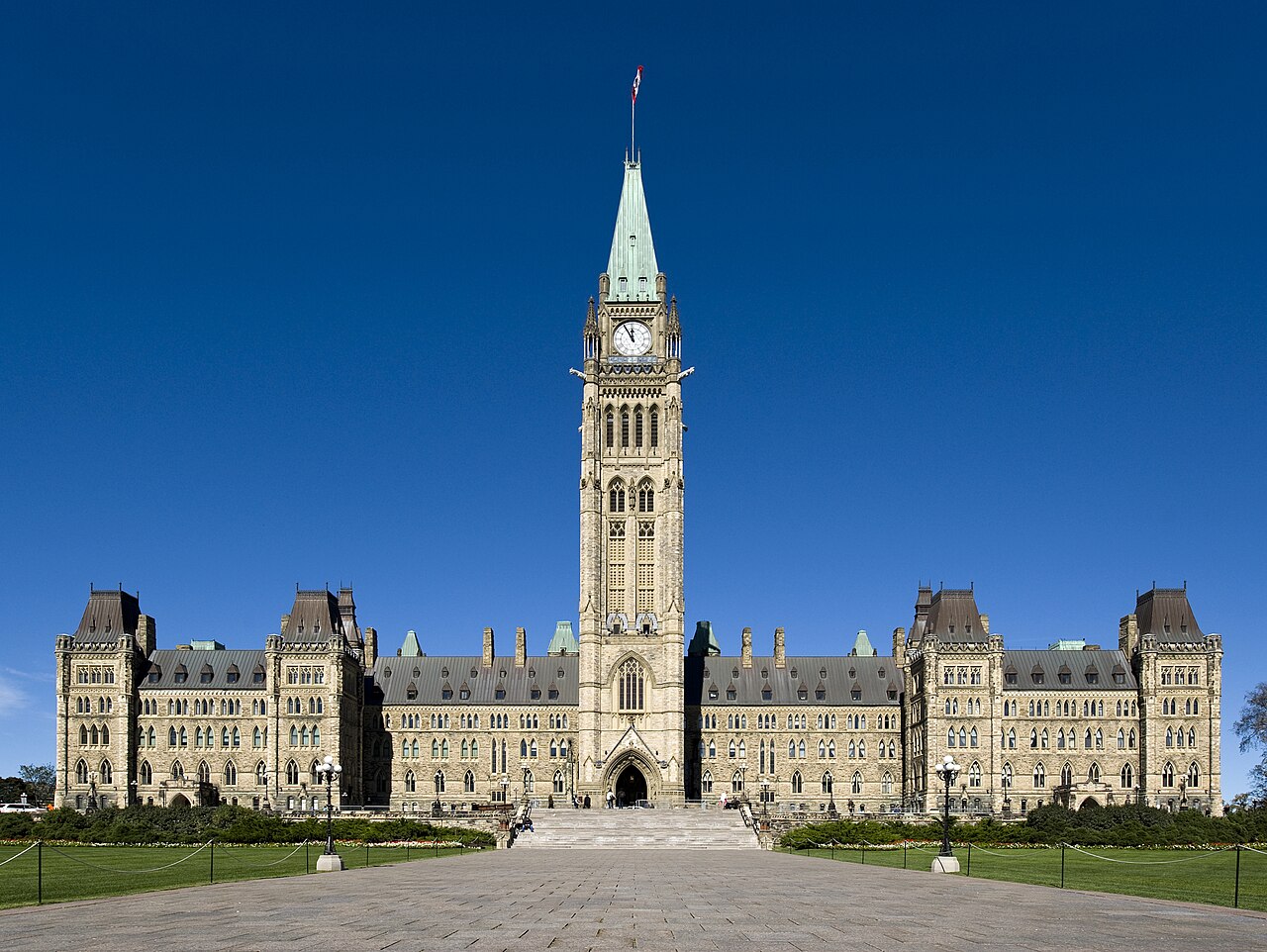
Bill C-10 received Royal Assent on November 19, establishing the Commissioner of Modern Treaty Implementation position to oversee the fulfillment of these formal agreements, while strengthening accountability between First Nations and Parliament.
“For more than 20 years, NTI and our partners through the Land Claims Agreements Coalition have called for independent oversight of modern treaty implementation. I am pleased to see our collective efforts lead to the creation of the Commissioner for Modern Treaty Implementation,” said Gloria Uluqsi, president of Nunavut Tunngavik Inc (NTI).
Bill C-10 established the commissioner as an independent agent, examining the federal government’s effectiveness in fulfilling modern treaties and reporting their findings directly to Parliament.
The commissioner will focus on all federal modern treaty implementation activities (like self-government agreements), identify issues delaying these formal agreements, and offer recommendations for better results.
This is intended to create greater transparency and accountability in how the federal government fulfils its treaty obligations under Canada’s Collaborative Modern Treaty Implementation Policy and the United Nations Declaration Act Action Plan.
“A Commissioner for Modern Treaty Implementation will help Canada be a better treaty partner,” said Minister of Crown-Indigenous Relations Rebecca Alty. “Modern Treaties are instruments of reconciliation in a prepared statement. They are also engines of economic growth, creating certainty for investors, the government, and Indigenous governments, as well as durable partnerships that can help us work together on the things that matter.”
“At a time of global uncertainty, fulfilling our treaty commitments is essential to building a stronger economy and a more prosperous future for Indigenous Peoples and all Canadians,” added Alty.
It remains to be seen who the commissioner will be and when someone will be named for the position.
Under Bill C-10, the federal government must consult Indigenous modern treaty partners for their input before choosing the commissioner. The federal government will appoint the commissioner to a seven-year term and commit $10.6 million (announced in the 2024 Budget) to support their work.
“We are pleased that Bill C-10 has become law,” said Eva Clayton, president of the Nisga’a Nation and co-chair of the Land Claims Agreements Coalition. “This is a powerful example of what Indigenous modern treaty partners and Canada can accomplish when we work together. The commissioner will bring much-needed oversight to the implementation of our constitutionally protected agreements and help ensure that they are fully honoured.”
Canada is currently implementing 30 Modern Treaties, eight of which are in British Columbia. The Indigenous modern treaty partners include the Nisga’a Nation, the Maa-nulth First Nations (Huu-ay-aht, Ka:’yu:’k’t’h’/Che:k’tles7et’h’, Toquaht, Uchucklesaht Tribe Government and Yuułuʔiłʔatḥ Government), Tla’amin and Tsawwassen First Nation.
They are the result of more than 50 years of negotiation between the three parties – the Province of British Columbia, the Government of Canada and participating First Nations – providing the opportunity for reconciliation among the parties for stable relationships built on accountability and shared responsibilities.
Modern Treaties address a wide range of Indigenous rights and interests, including clarifying land ownership, supporting Indigenous self-government, and advancing cultural renewal. They advocate for long-term economic development, protection of Indigenous cultures, political recognition, and improved social sectors.
“For Nunavut Inuit, the real measure of success will be improvements in the lives of our people. Our rights under the Nunavut Agreement must translate into meaningful opportunities and benefits for Inuit, our families and our communities,” said Uluqsi.
Still, federal implementation of Modern Treaties remains inconsistent years after ratification.
In March 2026, the Huu-ay-aht First Nation told Ha-Shilth-Sa that federal implementation of their modern treaty was inconsistent 15 years after signing, with some treaty rights and governance not fully understood by all parties, leading to misinterpretation and delays.
Stalled treaty negotiations can lead a First Nation to find other ways to establish rights; some First Nations go to court to settle title agreements, which costs money, time and deteriorates relationships between the parties involved.
Extended timelines, insufficient government negotiation, and increased treaty loan debt are some of the reasons First Nations may step away from treaty negotiations.
“There are many factors that affect the timing of completion of a treaty,” said George Abbott, chief commissioner of the BC Treaty Commission. “It’s my view that the 32 years of the K'ómoks First Nations to get their treaty is too long. That means a generation and more had gone without the benefits of the treaty, as they grew from infancy into full adulthood and parents themselves, they didn’t enjoy the benefits of the treaty for a long time.”
Modern Treaties require continuous and comprehensive review to ensure no agreement becomes inactive, as existing oversight tools have proven unfit for the task. This is why the federal commissioner role was established: to provide the focus and expertise to ensure Parliament is held accountable to the promises made in every treaty.
“The importance of the Modern Treaty Commissioner is to support not only the eight modern treaty nations in British Columbia, but also the 22 other modern treaty nations elsewhere in Canada. The implementation of all the complex provisions that are within a modern treaty takes time and support,” said Abbott. “The implementation of complex provisions is often thrown into the hands of the First Nations themselves, and I think the Modern Treaty Commissioner is in place to try to ensure that the balance of the journey is completed after the ratification by the Parliament of Canada.”
Abbott is seeing a growing interest among First Nations in entering or re-entering a treaty process over the next couple of years. He is committing to work fully and intensively with the Commissioner of Modern Treaty Implementation for the eight partners facing challenges in implementing their treaties and delivering the results they want in B.C.
“While the commissioner will not resolve every implementation challenge, the office will provide an important mechanism for holding Canada accountable,” said Uluqsi. “I look forward to working with the commissioner, once appointed, and continuing our work with modern treaty partners to ensure our agreements are fully honoured and implemented.”