It will soon cost more to enjoy parks throughout British Columbia, especially for out-of-province visitors.
The Ministry of Environment and Parks announced via a late January news release that new camping fees and a new surcharge would be introduced for users from outside of British Columbia on May 15.
Tamara Davidson, B.C.’s minister of Environment and Parks, believes the increased costs are justified.
“These are the first adjustments made to camping fees in a decade, and every dollar will be reinvested directly into maintaining facilities and services people expect when visiting popular parks,” Davidson said. “By creating a more sustainable operating model, we are strengthening our collective stewardship and ensuring B.C.’s natural treasures remain vibrant and accessible for generations to enjoy.”
These new fees will be at select high-demand parks as well at some backcountry sites.
“As a park user I understand the deep value of these shared spaces and the benefits they bring to our communities – culturally, economically and recreationally,” Davidson added. “At the same time, B.C.’s parks are facing significant pressures, from the impacts of extreme weather to the 30 per cent surge in visitors over the past six years.”
As a result, Davidson said it is necessary to increase fees at certain locations.
BC Parks last updated its camping fees in 2016.
Provincial figures show that the number of people visiting BC Parks sites has grown by about 30 per cent in the past six years. There are now about 27 million visits each year.
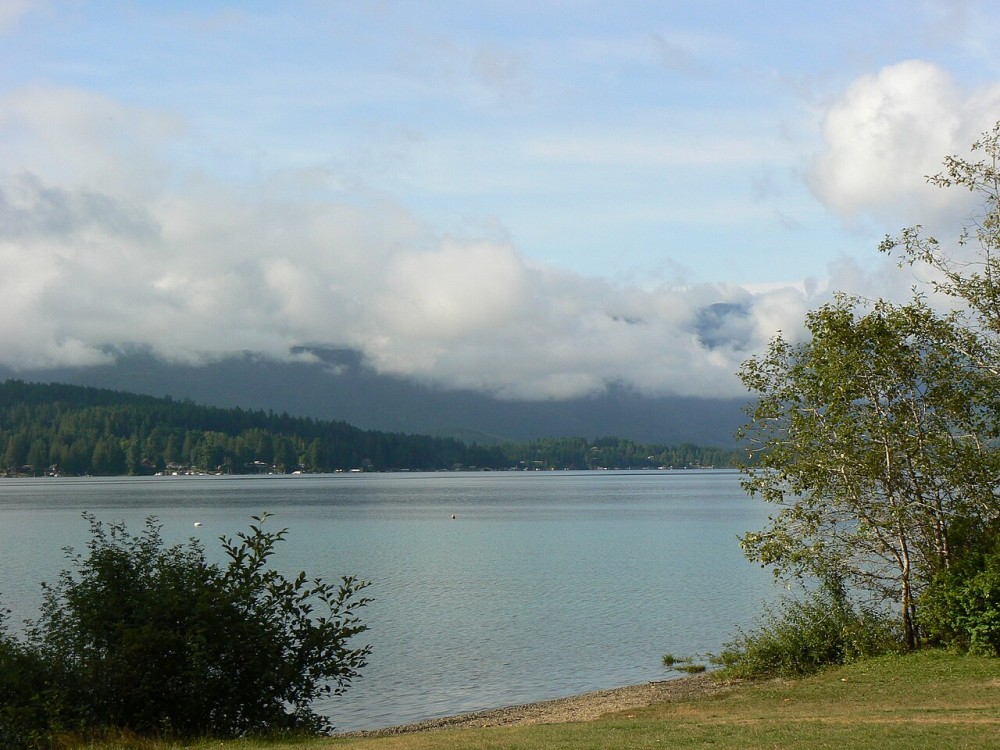
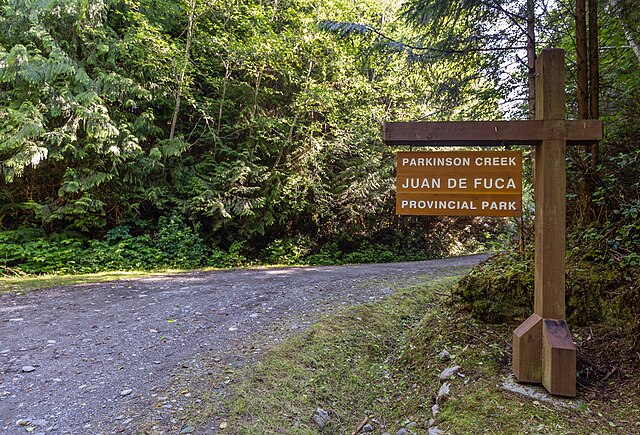
The list of busiest parks that will see increased fees includes Sproat Lake, Juan de Fuca and Strathcona Park, which are ones located in Nuu-chah-nulth territory.
Sproat Lake had more than 212,000 visitors during its 2018-19 season. This figure increased to almost 255,000 for 2024-25.
Juan de Fuca Park had about 415,000 guests in 2018-19 and saw an increase to more than 615,000 for 2023-24. Attendance figures then dipped to about 586,000 the following year, in part because some areas of the park were closed due to an atmospheric river in 2024.
As for Strathcona Park, it had almost 240,000 visitors in 2018-19. But wildfire impacts from 2023 and ensuing issues with data tracking and reporting resulted in a visitors figure of about only 67,000 guests for the 2024-25 season.
There are plenty of reasons why people are spending an increasing amount of time at parks throughout B.C.
Results from a provincial survey indicated motivating factors to spending time outdoors included experiencing nature, keeping fit and healthy as well as spending time with family and friends.
The new provincial camping fees will be at 59 high-demand front-country parks and four backcountry parks.
Front-country refers to any area that is situated within one kilometre of a park road or a highway.
Meanwhile, fees will not change at 388 other parks.
For B.C. residents who visit front-country parks, they will see an increase of about 40 cents per night during shoulder season, resulting in an average nightly rate of $30.81.
A significantly higher increase of $13.29 per night applies to summer use, bringing the nightly average to $42.91.
About 15 per cent of all BC Parks users are from out of province. Beginning in mid-May they will pay an additional $20 flat rate for staying in front-country campgrounds, visiting backcountry parks as well as renting cabins and using mooring buoys and docks.
Provincial officials plan to use the extra revenues generated from the increased fees to support sustainability of the services in its parks, allowing them to remain open, accessible and safe.
Parks representatives have also been taking some steps to ensure that some of the locations do not suffer from the additional usage in recent years.
For example, some high-use parks have seen the implementation of daily visitation caps to reduce crowding. Reservations and day-use passes monitor the number of daily users.
Also, for certain sensitive time frames, including during wildlife nesting or wet seasons, some parks are temporarily closed or there is limited access and restricted parking.
Louise Pedersen, the executive director of the Outdoor Recreation Council of B.C., also believes the new fees are warranted.
“Parks and trails are vital public assets that support community health, well-being and local economies across British Columbia,” she said. “As use continues to grow, targeted reinvestment in the parks system helps ensure these benefits remain available to British Columbians, while supporting the infrastructure and stewardship needed to care for these places responsibly.”
Jamie Cox, the executive director of the B.C. Lodging and Camping Association, also has a similar thinking.
“Campgrounds across British Columbia are seeing unprecedented demand, and continued reinvestment is essential to maintaining the high-quality experiences campers expect,” Cox said. “Updating fees in the busiest parks helps ensure the entire system remains safe, well-maintained and able to support the growing number of people who rely on camping as an affordable way to connect with nature.”