September is Suicide Prevention Awareness Month, and a new Canadian movement called End the Silence has launched a website with supports aimed at Indigenous males.
According to Statistics Canada, 19.2 percent of Indigenous males ages 18 to 24 say they have seriously contemplated suicide. Another 12.2 percent of Indigenous males aged 15 to 17 have seriously considered it.
“Indigenous men and boys in Canada face profound mental health challenges and remain significantly underrepresented in both research and programming,” states information from End the Silence.
Deanna Dunham, director of Indigenous Initiatives at Kids Help Phone, notes that despite the alarming statistics of one in five young Aboriginal men seriously contemplating suicide, only 16 percent of the callers to the Kids Help Phone identified as Indigenous male.
“It’s time to change that. That’s why we’re launching this campaign in partnership with Indigenous communities: to put a greater spotlight on this issue, and to let them know that support is here. It’s okay to reach out and you can talk to someone about how you’re feeling,” she said.
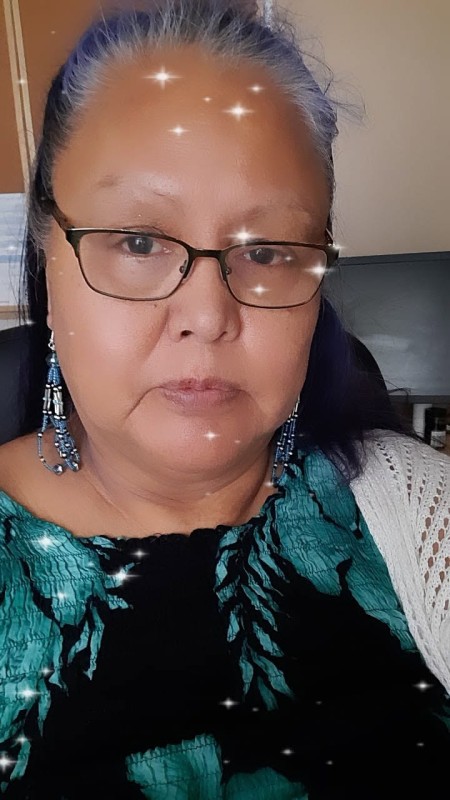
Someone who knows first-hand the challenges faced by families dealing with suicide is April Lucas. The Hesquiaht grandmother not only lost her brother to suicide but also two of her sons.
Lucas, the mother of seven now adult children, admits her family has faced many challenges over the decades, starting with the legacy of Indian residential schools.
“Residential school trauma, how many generations will it take to heal from that? I don’t think we’ve even started,” she shared.
The last of the residential school survivors are now elders. While at the institutions they were separated from family and denied access to their culture. With very little to healthy parenting styles to model themselves on, many children ended up in the foster care system. Add to that addiction, whether it be alcohol, drugs or even food.
“I have many thoughts about mental health and men. We have a couple of generational traumas that surrounds suicide. My late brother Simon and his son both committed suicide, as well as my oldest son and my third son,” shared Lucas.
It was in 2016 that Lucas lost her eldest son, Archie, to suicide when he was still in his 20s. She vividly recalled the frantic trip she made from Campbell River to Port Alberni when she got wind that he was contemplating suicide. For her, it was imperative that she get to him in time because she had learned the hard way, from her brother and nephew’s passing, that suicidal ideation needs to be taken seriously.
But it was too late. When she arrived at the hospital, Lucas was informed that her son had died.
“Suicide, it is a very strong word. It means evil to some, and I was once told that my son is basking in hell for taking his own life,” Lucas shared.
She went on to say that there are a lot of stigmas that surround suicide.
“No one will ever know the truth of what led to what they thought was the only way out,” said Lucas.
With her remaining four sons and two daughters, Lucas did her best to navigate life without her eldest son, who left behind children of his own. Her children had been placed in foster care a couple of times and Lucas said she took all the training required of her to get her children back home.
“I fought so hard to save my boys,” she said.
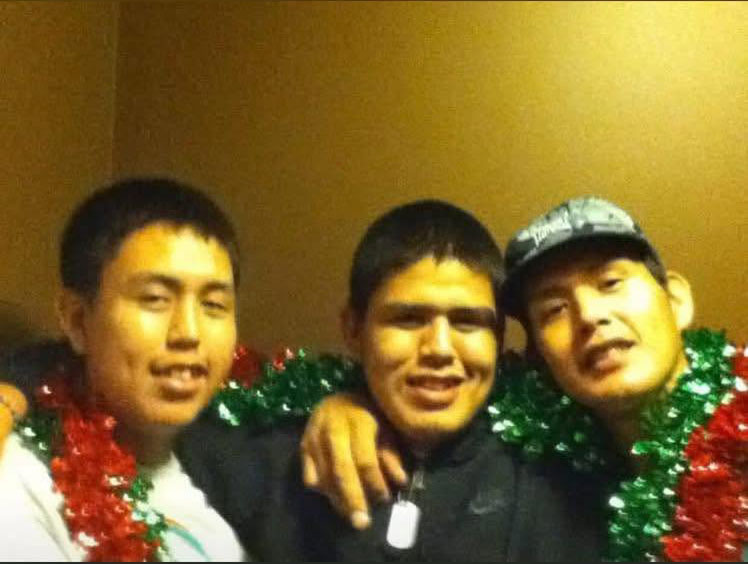
But she saw the decline in her sons’ mental health after the passing of Archie. Some of her children battled addictions. In early 2024 she received that dreaded phone call – her son Simon had died by suicide while intoxicated.
The following year she went to wake her son Colin. She thought he had fallen asleep in a car outside her home, but he was deceased, a victim of the toxic drug epidemic.
Lucas says she now has 27 grandchildren and one great grandchild. Fourteen of those grandchildren are growing up without their fathers and one granddaughter has lost both her parents.
Through her tears, Lucas described the pain and the fear of coping with life after such devastating losses. She admitted that she had her own thoughts of escaping her pain.
Despite all the trauma, the pain and the constraints of the child welfare systems, Lucas says she lives for her children and grandchildren.
“They keep me going, they need me” she smiled through her tears.
She remembered that her mother crocheted a lot after Simon died.
“It keeps your mind busy, so I would wake up in the middle of the night and would crochet,” Lucas shared.
End the Silence launched August 18, 2026, celebrating the first annual day committed to breaking the silence and confronting the Indigenous mental health crisis.
End the Silence invites young men and boys to take that first step towards support, some can be found on the www.EndtheSilence.com website. Notorious Cree, Michael Linklater and Joey Stylez are just a few of the prominent Indigenous males sharing their stories on the website.
Besides finding stories and support, the website invites other community initiatives to join.
“The campaign also shines a light on a longstanding gap: Indigenous boys and young men have received limited attention in research, programming, and resource development despite facing significant mental health challenges,” states the campaign.
Go to the End the Silence website to explore free, confidential support options through Kids Help Phone and learn how to connect with someone by text, message online, or phone, anytime you'd like to talk.
Despite her struggles and fears, Lucas points to the silver linings. A son and grandson are living sober lives.
“My sons were hard workers. They built things, like the foundation of the school in Zeballos. I think of their goodness. I’m so proud of them,” she shared.
To other families coping with the effects of suicide, Lucas says this, “Don’t stop trying.”
There are a lot of us, she says, and there are many different ways to heal.
“Do what’s comfortable for you,” she advised.
Some people, she said, don’t know how to express their hurt and pain and that can lead to things like addiction. Being able to share openly, without judgement, is healing, she said.