First Nations in B.C. may be entitled to raise their UNDRIP rights if they are not adequately consulted on natural resource projects within their territory, following a precedent-setting B.C. Court of Appeal decision released on Dec. 5.
Ehattesaht Chief Counsellor Simon John says the court decision “provides important legal recognition of UNDRIP as a tool to help ensure that First Nations’ interests are respected and their role in decision making is realized.”
“We know our lands, our waters here at home and want to be respected in how the Crown approaches us and want decisions to be made with us,” said Chief John in a media release.
“We want investment, we want jobs and to grow our community, but mining here was all in the bad days and we need to do better. We still have lasting impacts,” he said. “I like the fact that we are working towards consent. It will make everyone’s investments more certain and it will protect our waters and our lands better.”
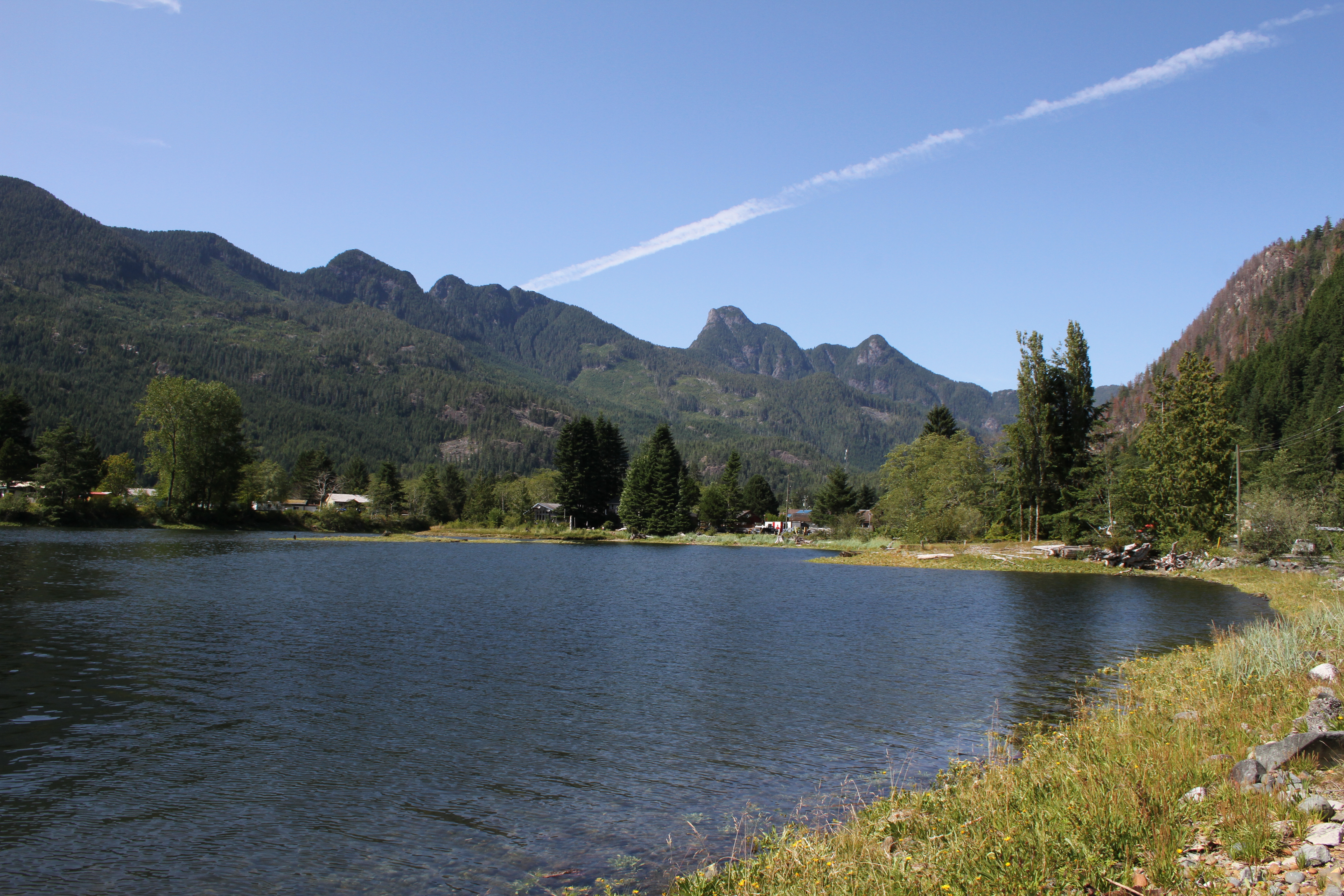
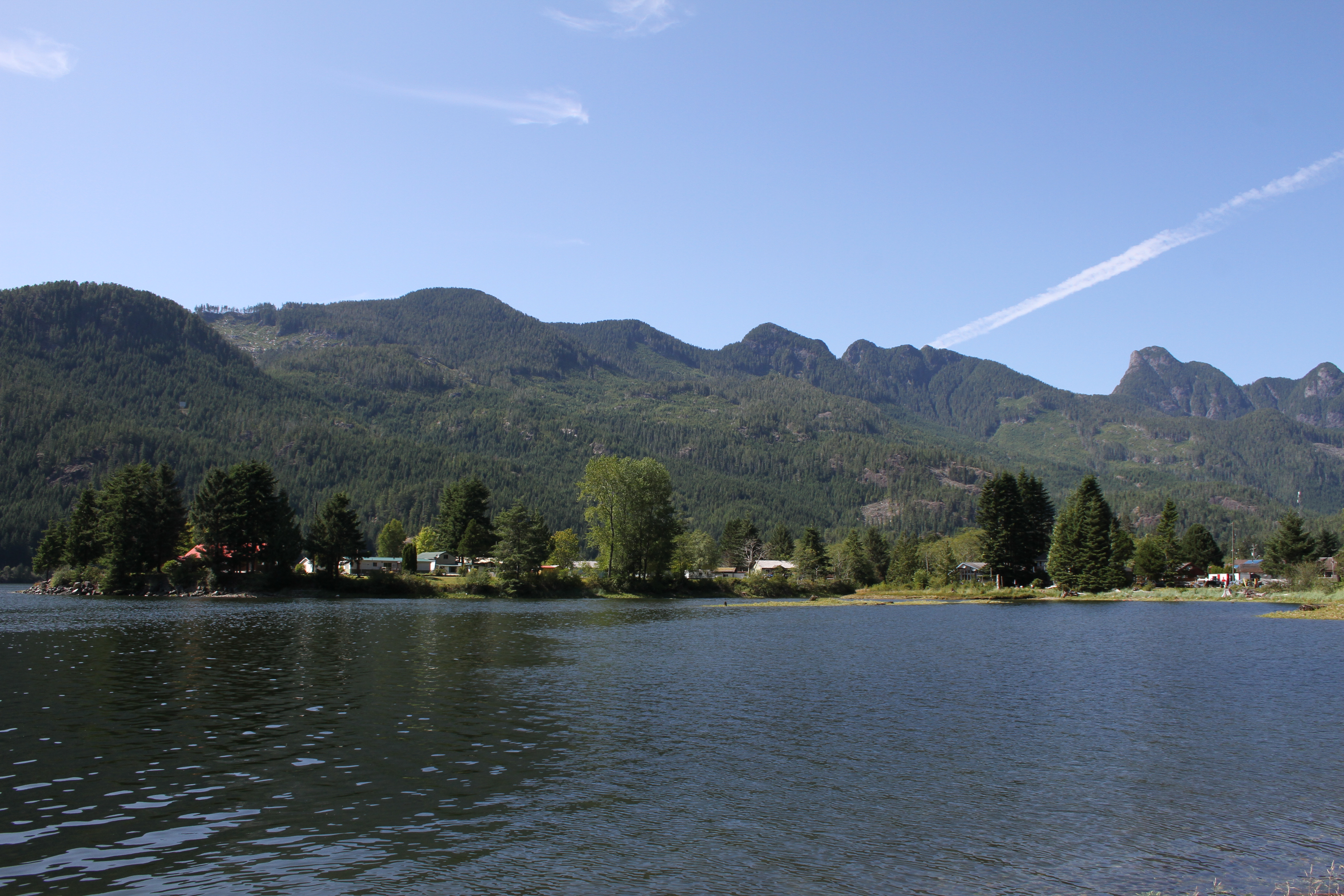
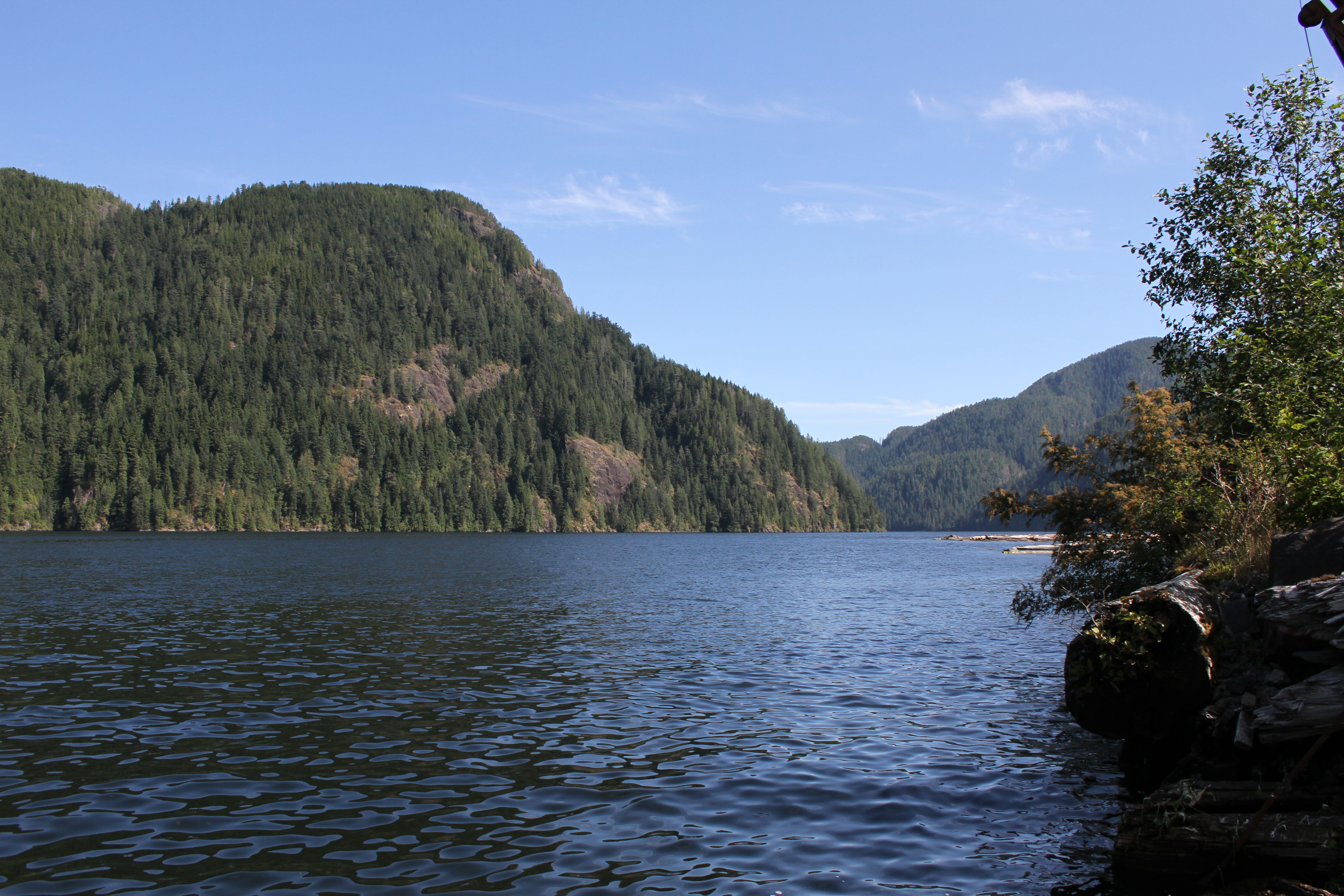
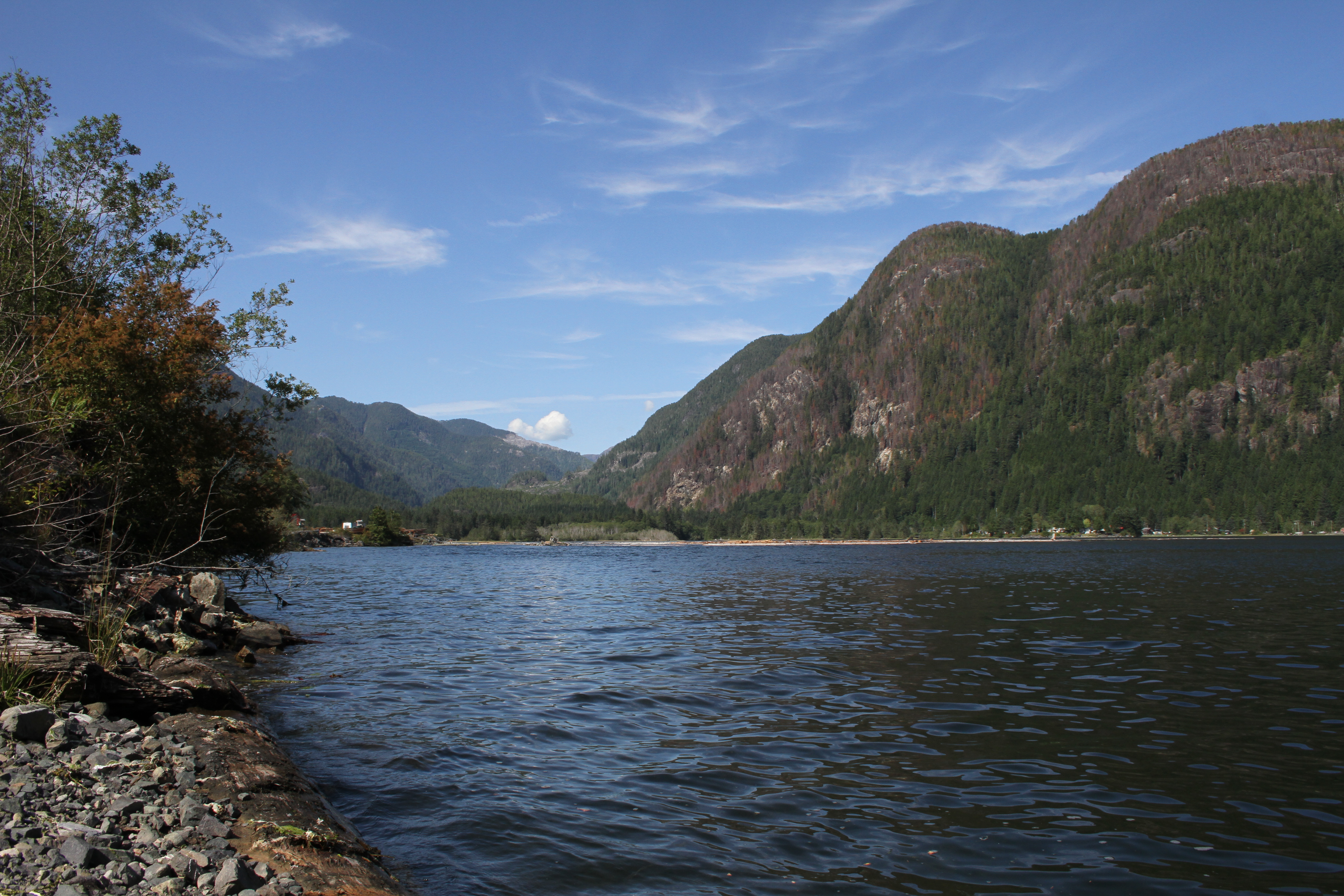
The ruling arose from a challenge by Ehattesaht, located north of Tofino in the Zeballos Inlet, and Gitxaala, located south of Prince Rupert, to B.C.’s mineral tenure system. They claimed the system is inconsistent with the rights recognized under UNDRIP, or the United Nations Declaration on the Rights of Indigenous People. This also applies to the Declaration on the Rights of Indigenous People Act, legislation passed by the B.C. government in 2019 which set a path for the province to align its laws with the United Nations declaration over a period of several years.
Previously, under the Mineral Tenure Act, Free Miner Certificate holders could register mineral and placer claims for a $25 fee through Mineral Titles Online (MTO) without First Nations consultation.
The B.C. Ministry of Mining and Critical Minerals introduced the Mineral Claims Consultation Framework (MCCF) in response to a 2023 B.C. Supreme Court ruling that the mineral claims system was in breach of the duty to consult. But the province also appealed the B.C. Supreme Court ruling, leading to the Dec. 5 decision in favour of the Ehattesaht and Gitxaala.
In a statement on Dec. 8, BC Assembly of First Nations Regional Chief Terry Teegee said the legal victory “sends a ground-shaking message to the provincial government: the Declaration Act is legally binding and cannot be implemented or interpreted in a unilateral Crown approach.”
Court documents state that: “UNDRIP is an international declaration of the individual and collective rights of the world’s Indigenous peoples. Adopted by the United Nations General Assembly in 2007, it identifies ‘the urgent need to respect and promote the inherent rights of indigenous peoples’ and provides that the rights it recognizes ‘constitute the minimum standards for the survival, dignity and well-being of indigenous peoples of the world’.”
The federal government enacted UNDRIP in 2021. DRIPA was unanimously passed into law in the B.C. legislature on Nov. 26, 2019.
A majority (two of three) judges decided the landmark appeal case.
During an unrelated media event on Dec.8, Premier David Eby told reporters his government was looking into amending DRIPA to bring clarity to the legislation.
Meanwhile, Trevor Halford, interim leader of the opposition B.C. Conservatives, sent a letter to Premier Eby requesting an “immediate recall of the Legislative Assembly for the sole purpose of repealing (DRIPA) and the related amendment to the Interpretation Act”.
The Legislative Assembly is adjourned for the remainder of 2025 but may be recalled to deal with urgent legislation or other matters of public business.
“Only a full repeal restores legislative supremacy and clarity for everyone involved,” wrote Halford, who cited another court decision from last summer that recognized Aboriginal title over a portion of Richmond – land that includes private properties. “As the Cowichan decision demonstrates, overlapping claims and rights are just the beginning of the frustration between competing Indigenous nations, citizens’ property rights, and the Interpretation Act.”
The Interpretation Amendment Act, or Bill 29, requires that most provincial laws be interpreted in a manner consistent with section 35 of the Canadian Constitution rights and UNDRIP.
Minister of Indigenous Relations and Reconciliation Spencer Chandra Herbert said repealing DRIPA would be “fundamentally anti-human rights” and “blow up the economy”.
“So much of the prosperity that is coming our way is because of leadership in First Nations communities,” Herbert told the Ha-Shilth-Sa, noting the years of work ahead in using DRIPA as a guide to re-align provincial laws.
“I think we have to do more, not less. We’re not backing down here. We need to stick at this work. It’s life’s work for our future. It’s the one way where we get to a better future together,” he said.
Western Forest Products stated in their 2025 Third Quarter Report that forestry service and other revenue increased by 82 per cent ($5.1 million from $2.8 million) compared to the same period last year due to the increase in the volume of approved projects with First Nation joint ventures.
Herbert wholly agreed that the Mineral Tenure Act needed to be updated, but expressed concerns that the Ehattesaht and Gitxaala Appeal Court decision would lead to a “scattergun” approach to legislated reconciliation led by court direction, rather than a methodical approach of partnering First Nations.
“It could launch a whole bunch of lawsuits” that would “bring any forward movement and negotiation to a standstill,” he said of the recent ruling, noting how this could discourage investment in B.C.
“My preference, and what I’ve heard from many leaders, is let’s do this piece by piece. We have a five-year action plan,” Herbert added. “I’d rather work where we have the majority of First Nations telling us where we need to go, rather than based on a court decision and many other court decisions.”
He said they are studying the judgement to understand it better and confirmed that amendments to DRIPA are indeed being worked on by the Attorney General. He referred to DRIPA a “political act” and a “guide” for First Nations, government and industry to work together.
“What we are looking at is putting clarity into the law,” said the minister. “Fundamentally, we just want to make sure the law that we introduced in 2019 is not changed in such a fundamental way by the court.”
“Demands for instant change would paralyze the system,” he said.
“[R]eal engagement before projects go ahead is the way, and an opportunity, to avoid driving First Nations to Aboriginal title and rights litigation,” said Chief John.