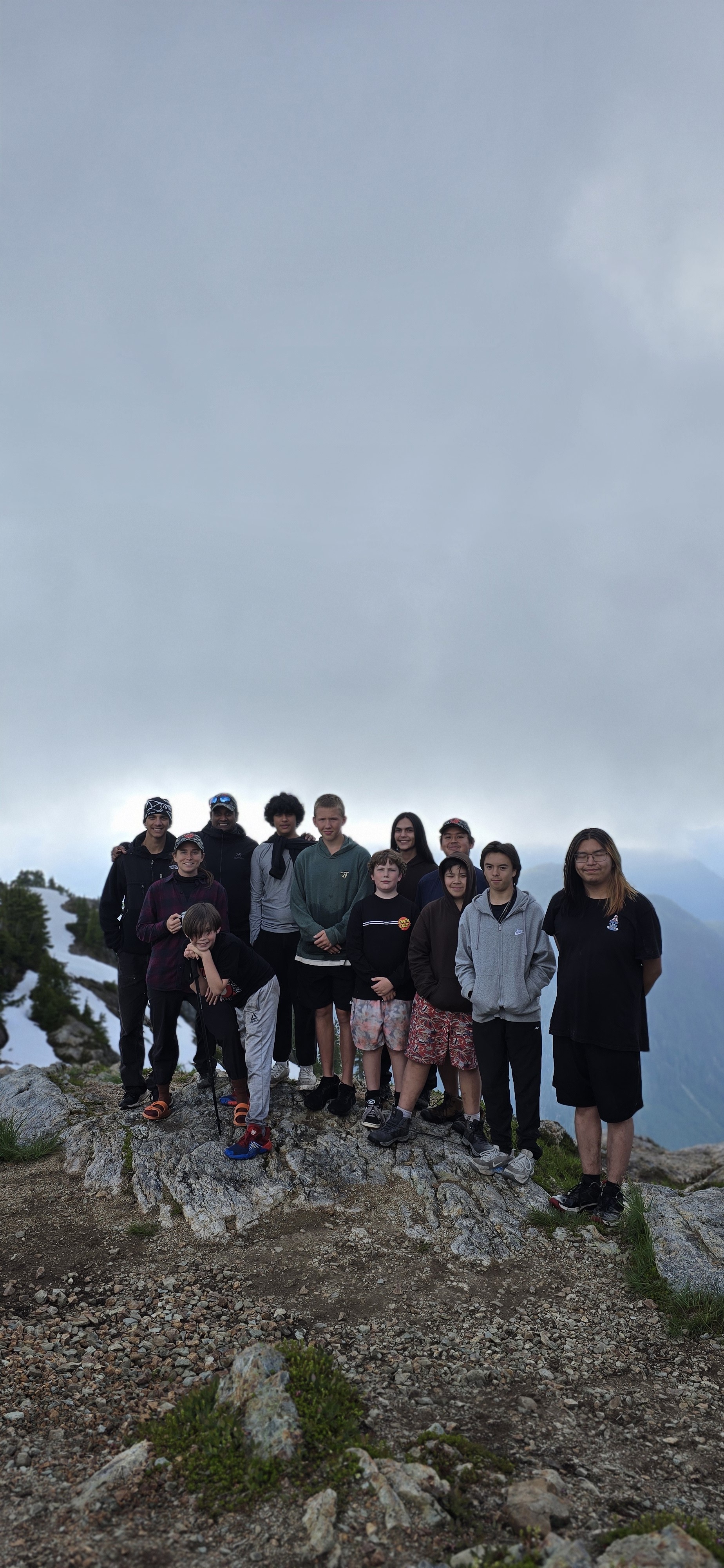
The Nuu-chah-nulth Youth Warrior Program has expanded in a big way, thanks to new funding from various government departments.
The program seeks to strengthen the confidence and capacity of young Nuu-chah-nulth leaders by helping them prepare for the future through life skills and employment training. They work with elders and knowledge-keepers to guide the programs.
The first Nuu-chah-nulth Youth Warrior program launched in the summer of 2015 at the Yuułuʔiłʔatḥ community of Hitacu with a handful of teenagers from the village. What was supposed to be the start of a men’s group turned into a program for teens, because the men did not show up for the meetings.
Young Hitacu men showed up every week, planning their community activities. It was the start of a culturally based youth group for males with a goal of addictions prevention.
At their weekly meetings, the youth planned future activities – ones that allowed them to get back to the land and ocean and learn the cultural ways of their ancestors.
The Nuu-chah-nulth Youth Warrior Program is easily adaptable to other communities and turned out to be a wildly successful option for teenagers eager to learn from elders and peers. Young men spend time together learning about their culture, finding ways to support their communities and survival skills.
Ricardo Manmohan was working on his doctorate degree in 2015 when leadership of Yuułuʔiłʔatḥ Government invited him there to work with their men. Manmohan said his training was about leadership and traditional ways of teaching skills to young people.
“The health director asked me to look at a men’s program,” he told Ha-Shilth-Sa.
Manmohan said he went out and spoke to individuals at Hitacu, looking for what they wanted in their men’s program. When it came time for the first meeting, the men did not show up.
“But the boys showed up,” Manmohan recalled.
The whole intent of the work is called “upstream prevention”. That is, they aim to get boys busy with wholesome, cultural activities before they ever become involved with nicotine, alcohol or drugs.
“We want to implement a youth program to help prevent substance abuse among young men. We want to engage the youth, give them a sense of purpose, something positive. And it is important for them to access their culture, to get in touch with their identity, their roots, as a path to health,” said Manmohan.
In the early days the youth learned about preparing food and would bring meals to the elders. They worked on projects like clearing brush or helping elders with firewood. The program grew to larger, community initiatives like small construction projects.
Eventually, the Nuu-chah-nulth Youth Warriors spread to neighboring communities, each applying to health authorities for funding to support their members in the programs.
In 2023 the Nuu-chah-nulth Youth Warrior Family Society was formed, opening the door for other groups to launch. As a society, there are more funding opportunities for interested communities.
“We could apply for grants,” said Manmohan.
And because of this past success, the Port Alberni Multi-Nation Programming secured funding from the Public Health Agency of Canada (PHAC).
“We've secured their Icelandic Prevention Model (IPM) Stream 2 Funding to implement our own version of the IPM for the urban programs in Port Alberni,” said Everett Watson, a member of the Tseshaht First Nation.
He went on to say that the IPM funding program aims to enable programs that are community based, youth led, data-driven, and follows a process similar to the 10-step Icelandic model that helped drastically reduce the rates of early substance use in the Scandinavian country.
Port Alberni is an urban centre with a diverse population of Indigenous youth. Previously, individual First Nations applied for financial assistance that could only be used for their own members, due to funding agency restrictions.
Port Alberni has young men not only from the local Tseshaht and Hupacasath First Nations, but also several other Nuu-chah-nulth nations, other First Nations and Métis. Not wanting to turn anyone away, planners needed to find a funding arrangement that would support all the youth that are interested in the program.
Port Alberni now has a multi-nation Nuu-chah-nulth Youth Warrior program open to all First Nations.
“In some cases, the youth are not as connected with their First Nations land and culture because they are growing up away from home,” said Manmohan.
Everett Watson says Port Alberni’s Multi-Nation Nuu-chah-nulth Youth Warrior program is the latest addition to versions already established at Ahousaht, Ditidaht, Huu-ay-aht, Uchucklesaht, Tla-o-qui-aht, Ehattesaht, Ka:'yu:'k't'h'/Che:k'tles7et'h' and Yuułuʔiłʔatḥ.
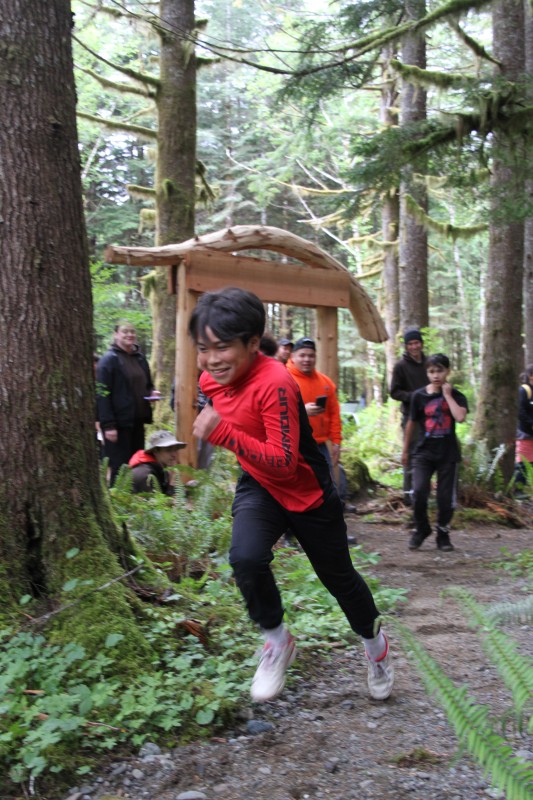
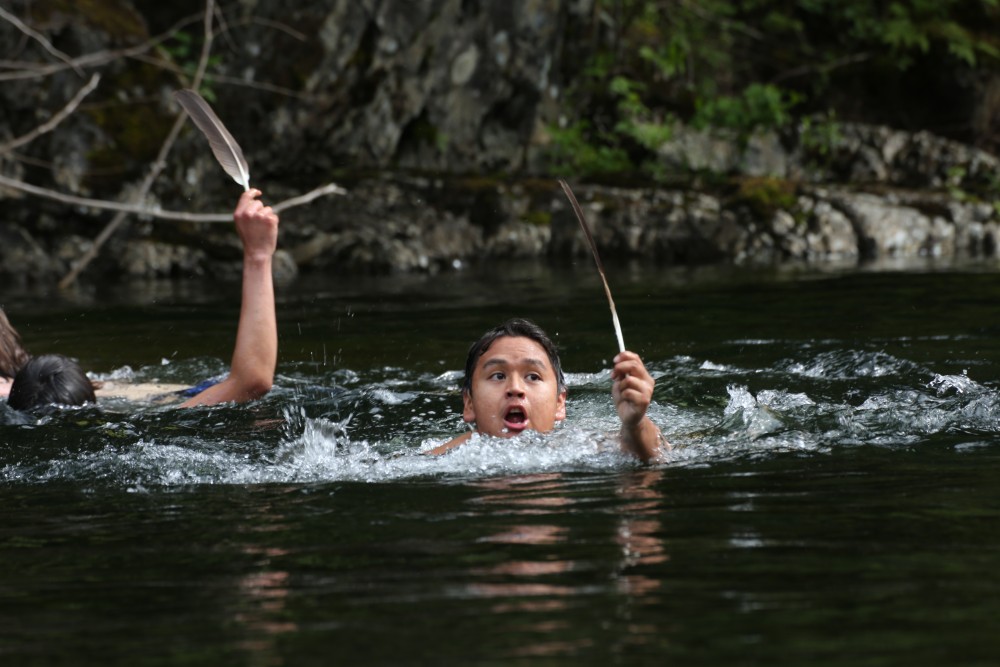
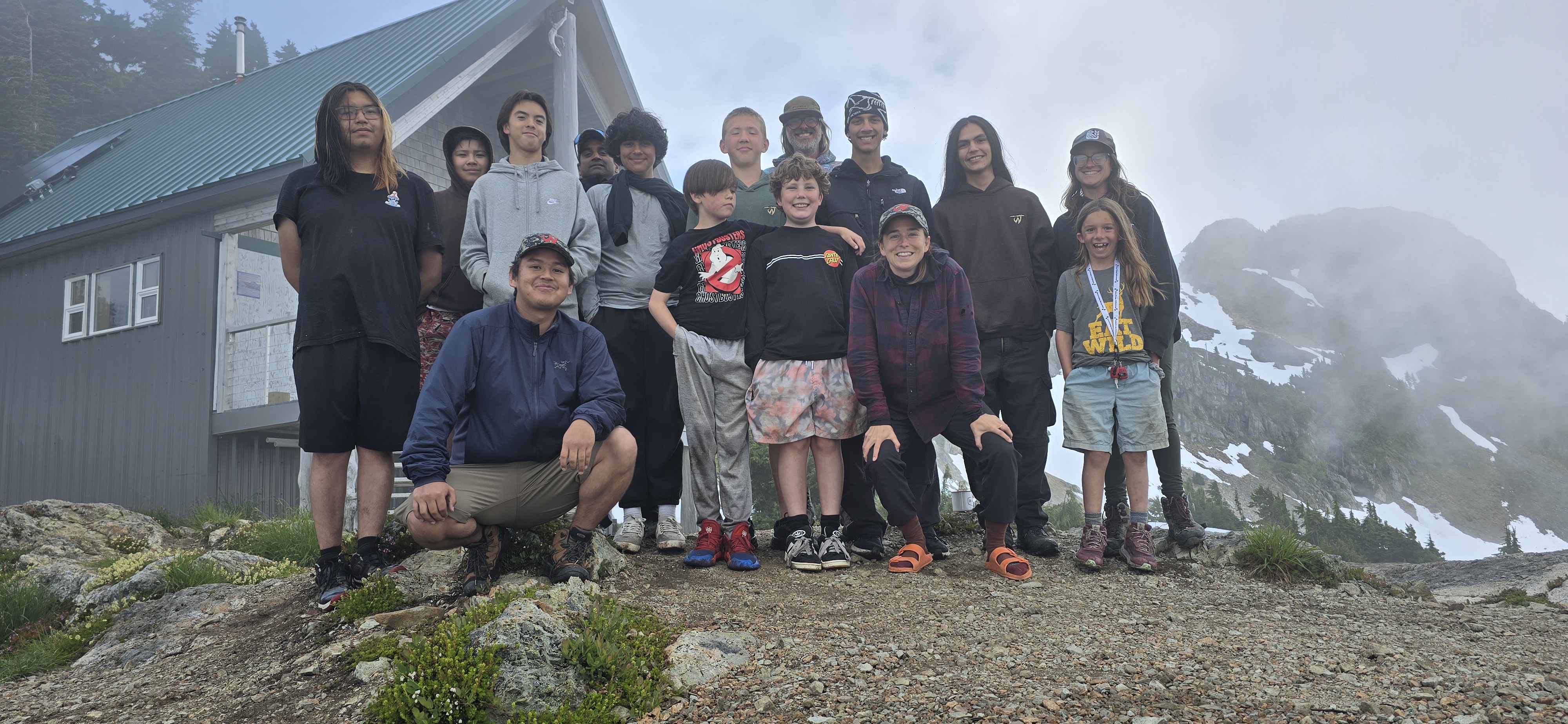
In Port Alberni the youth meet once a week all year long. They learn important life skills, including hunting, cooking, harvesting and marine safety. One weekend a month the group will go outdoors for hikes or camping trips where they put their newly acquired skills to the test.
At the end of January, the group plans to camp at Sarita Bay. Watson says about 12 youth will camp, rain or shine, and they will be doing some hunting or fishing.
“It’s important to listen to what the youth want to do and for them to have roles,” said Watson, adding that it was the young participants who decided where they wanted to camp.
The society has received funding to run the Port Alberni Multi-Nation Warrior Program for 30 months, up to March 2028. In addition, a women’s program has been launched in Port Alberni, with meetings every Tuesday night.
The Nuu-chah-nulth Warrior Multi-Nation Program is open to Indigenous youth ages 13-20 in Port Alberni and is free of charge.
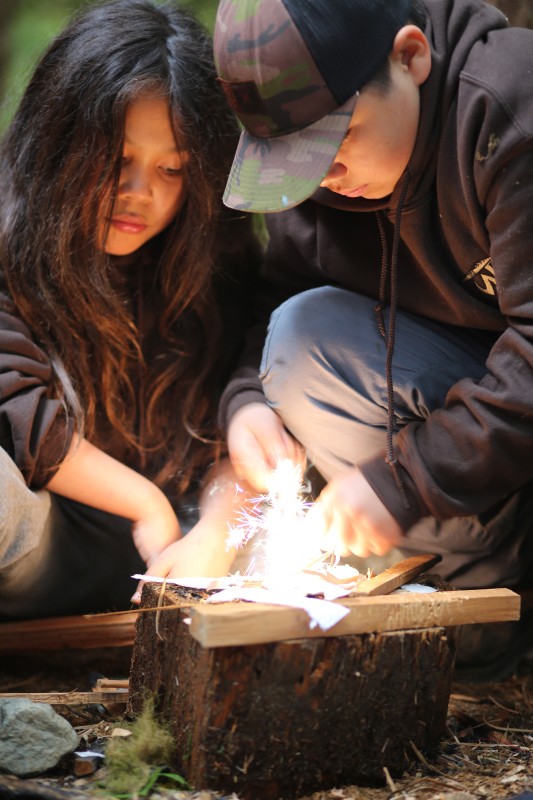
Youth will plan hikes, learn safety and survival skills to help them when they are on the land. They may do things like plant identification and harvest, then learn how to prepare these materials for practical uses, like fire starter, glue or medicines.
“We have to make it interesting for the youth,” said Watson.
After a decade of operation, the teenagers who were involved in the first years of the program are now young adults who go to other communities to teach what they have learned.
To learn more the Nuu-chah-nulth Youth Warrior Family Society or if you want information about starting a new warrior program, you may request access to the online Warrior Toolkit at the website https://warriortoolkit.com/