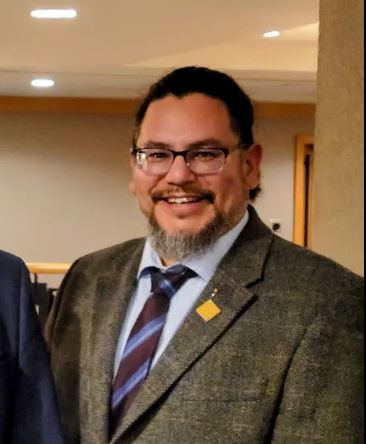
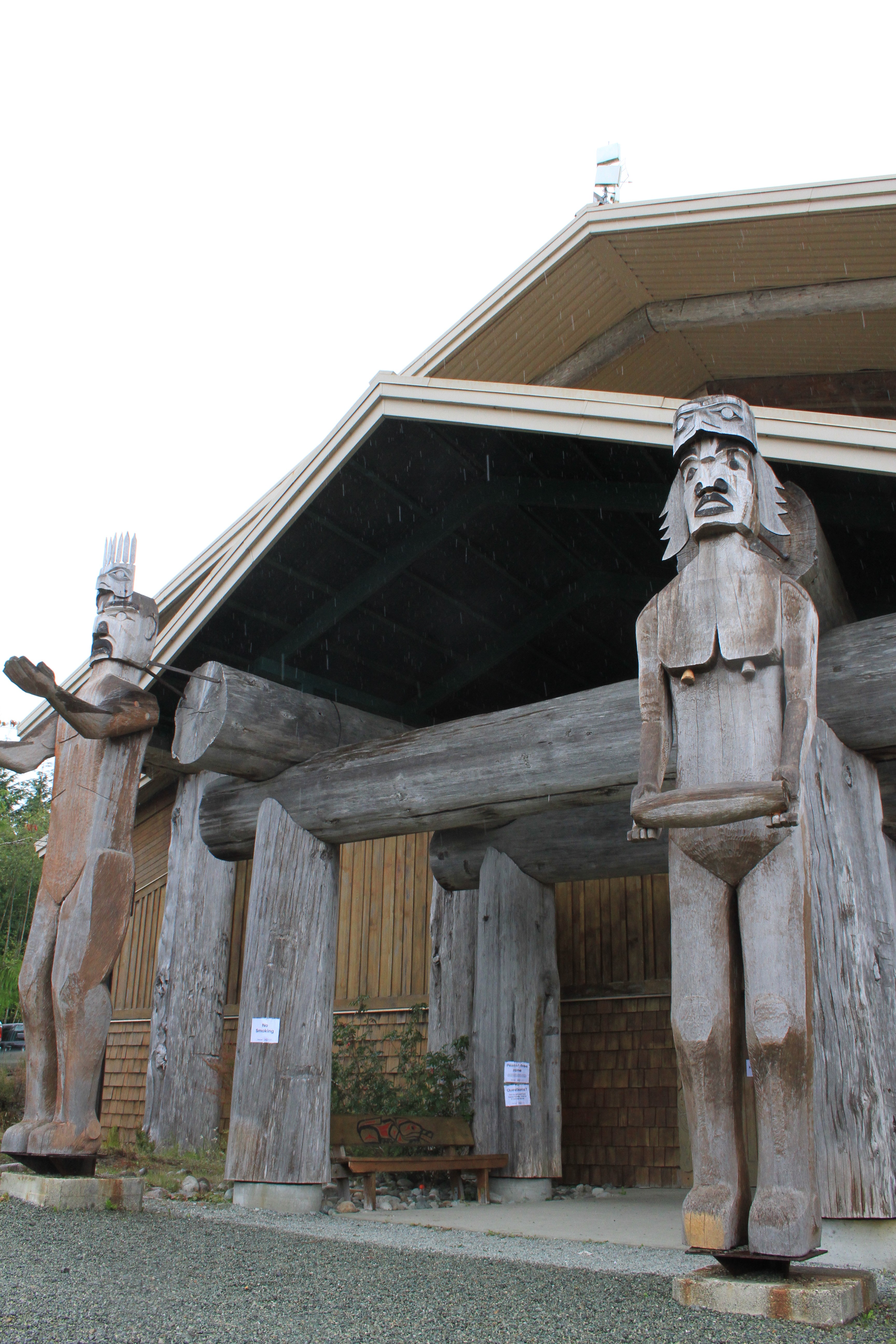
A Memorandum of Understanding between the Huu-ay-aht and B.C. Corrections was recently signed at the First Nation’s Port Alberni office, opening the lines of communication between the parties to help citizens reintegrate back into the community after incarceration.
Huu-ay-aht Chief Councillor Sayaacath, John Jack, said that the First Nation has been meeting with provincial and municipal governments to talk about community safety.
“We have discussions around the types of ways that we can work with one another,” he said.
In November 2025 the discussion led to a Memorandum of Understanding to improve outcomes for Huu-ay-aht citizens leaving B.C. Corrections facilities and returning to the community.
“The purpose of the MOU is to establish a collaboration between B.C. Corrections and HFN to support release planning, reintegration and/or case management of B.C. Corrections clients who are registered citizens of the HFN, or are currently residing in, or intending to reside in the HFN community,” reads a statement in Huu-ay-aht’s December 2025 newsletter, Uyaqhimis.
B.C. Corrections provides secure custody for individuals awaiting trial as well as for those serving sentences of less than two years. It operates probation offices that supervise individuals serving community sentences, such as bail or probation orders.
According to B.C. Corrections, Indigenous people make up six percent of the population in British Columbia but they represent 36 per cent of those in custody with the agency, and 28 per cent of those in the community on conditions or probation.
The B.C. Corrections website says they are committed to addressing the over-representation of Indigenous people in the justice system, “transforming our organization and healing broken relationships”.
Part of that effort includes building relationships with First Nations leadership.
The Ministry of Public Safety and Solicitor General says it has similar MOU’s with other B.C. First Nations and each one is created through consultation and partnership between BC Corrections and designated community leaders and elders.
“The MOU with Huu-ay-aht First Nation commits all BC Corrections staff to work collaboratively on case management and release planning of individuals who are returning to live in the Huu-ay-aht community as well as any Huu-ay-aht member, whether they live in the community or anywhere else in the province,” stated the ministry.
Huu-ay-aht is a treaty nation and has their own Community Safety Act, which is a legislative framework used to promote safety on its Treaty Settlement Lands. It can and has been used to temporarily ban individuals convicted of certain crimes from HFN treaty lands.
Sayaacath says that his council has been focused on concepts of community safety for the past couple of years.
“We've talked about our Community Safety Act, how it automatically excludes people who are convicted of violent crimes from our territory,” said Sayaacath, adding that the act only applies to Huu-ay-aht hahulthi (lands).
When individuals are released from provincial custody, they don’t always return to the homelands.
“We would like to be involved in how B.C. Corrections manages the cases, for our citizens who are convicted of crimes,” Sayaacath said.
“It's not just violent crimes, people can be convicted of other types of crimes that aren't violent, and therefore they're not excluded from our territory. We have an interest in making sure that when they're being released, [we know] how the case is being managed,” he added.
The MOU, he explained, guides the communication between the First Nation, the province and the correction service. This will allow the nation to know what programs it can provide to their citizens to plan for the best outcome.
“So that when somebody is released, there's a good plan in place for them,” said Sayaacath.
The Solicitor General concurs, saying the MOU, which is intended to improve information sharing between BC Corrections and designated Huu-ay-aht members, will help support community safety, successful reintegration, connection to community and culture, and access to supports and services.
Sayaacath notes that the agreement is not just between the leadership and the provincial government but also Huu-ay-aht administrators. This gives the nation the ability to coordinate services, preventing gaps in support.
By effective communication and planning it is hoped that this will maximize the success of those being released from custody.
The planning would not only include release plans but also supervision – knowing whose responsibility it is to oversee those on probation whether they are at their homelands or in the city.
“It's just really trying to get the highest level of success coming out of these systems because it's already going to be pretty hard coming out of a correction system to kind of jump back into your life,” said Sayaacath.
It is hoped that agreements like this one will reduce recidivism.
The agreement also helps the nation manage victims’ services, like notifying those who were subjected to violence when an offender is being released. Having release information allows the nation to plan for monitoring, helping to promote safety in the community.
Other B.C. First Nations that have signed onto this initiative include the Tsleil-Waututh First Nation, Nicola Valley Indian Bands, Nooaitch Indian Band, Shackan Indian Band and Upper Nicola Indian Band.
According the Ministry of Public Safety and Solicitor General, work is underway to support similar MOUs with other BC First Nations, including Ahousaht and Tla-o-qui-aht First Nations.