
It was shaping up to be a hot, contentious summer as Premier David Eby considered introducing a bill that would suspend or amend the Declaration on the Rights of Indigenous Peoples Act, also known as DRIPA. The province’s First Nations and their supporters were prepared to fight the move, seeing it as a step backward from the hard-fought gains made by previous generations of both First Nations and provincial leaders.
DRIPA was unanimously passed in the provincial legislature in November 2019. It requires that the B.C. government ensure the laws of the province are consistent with the United Nations Declaration on the Rights of Indigenous Peoples (UNDRIP).
Ha-Shilth-Sa previously reported that in early April Premier Eby detailed his plans to temporarily suspend, for up to three years, various sections of the DRIPA following fears over recent court rulings. Some landmark court decisions in 2025 sparked public concerns over how Aboriginal title will affect the rights of private landowners, while the cash-strapped provincial government fretted over how it will attract natural resource investment while honouring obligations to gain consent from First Nations.
On Monday, April 20 Eby, along with representatives of the First Nations Leadership Council, found common ground and released the following statement, regarding the Declaration on the Rights of Indigenous People's Act (DRIPA):
"The Government of B.C. will not be introducing legislation to suspend or amend DRIPA or UN Declaration-related provisions in the Interpretation Act, in the spring legislative session. The government and First Nations Leadership Council are committed to working together with all First Nations leaders on a path forward to discuss and consider the government's stated legal concerns, while upholding the title and rights and human rights of First Nations,” they stated, adding that they commit to work together in genuine collaboration to find a solution prior to the fall legislative session.
In a written statement, the Nuu-chah-nulth Tribal Council said it applauds the Leadership Council and the premier of B.C. for coming to an agreement regarding the Declaration on Indigenous Peoples Rights Act (DRIPA) for the next six months.
“This agreement prevented BC-First Nations relationships from falling apart and from pitting First Nations against the provincial government,” the statement reads. “The NTC is relieved that there can now be a period of time without the threat of amendments to DRIPA hanging over our heads and clear strategic thinking can occur.”
The short-term solution will allow First Nations to continue to work on important issues with the province, something the NTC leadership says they prefer.
“We did not agree with unilateral actions proposed by the premier in the media without talking to First Nations,” the NTC statement reads, adding that now is the time for respectful and good faith engagement.
According to the Nuu-chah-nulth Tribal Council, a table will be established to look at options and solutions to the issues the province sees with DRIPA. The NTC says that DRIPA has been described as a framework for reconciliation, and efforts must continue to realize this path.
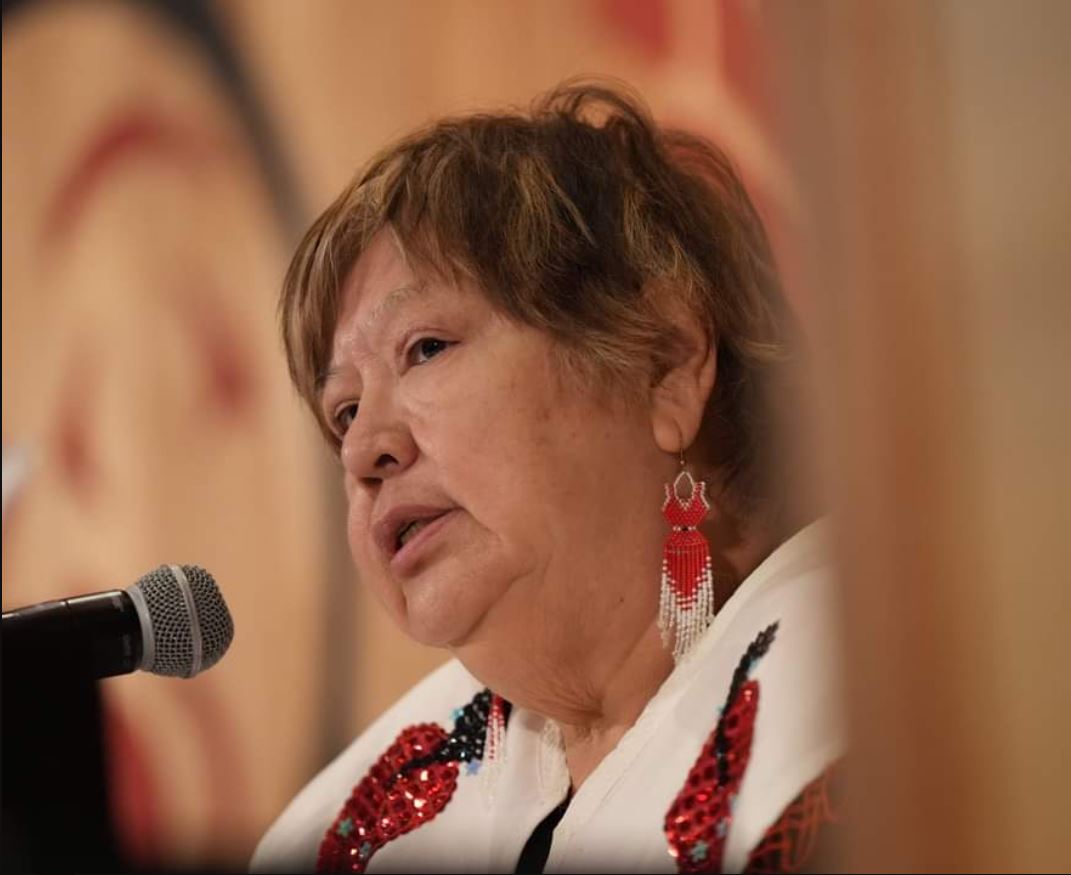
“I am happy that we can be putting our energies towards achieving good work and not fighting with B.C. There are good initiatives happening in the province that can now be accomplished under the same path we set seven years ago,” said NTC President, Cloy-e-iis, Judith Sayers.
NTC Vice President, Les Doiron, says, “it is good to see that the parties could come to a meeting of the minds and to take the time to listen and hear one another and find solutions collaboratively. That is how you work together.”
The NTC statement goes on to say that it knows the importance of this table and expects viable solutions to come out of this working group that can be accepted by both parties.
“The Declaration on the Rights of Indigenous People Act started as a collaborative effort and it must continue in that fashion,” stated the tribal council.


