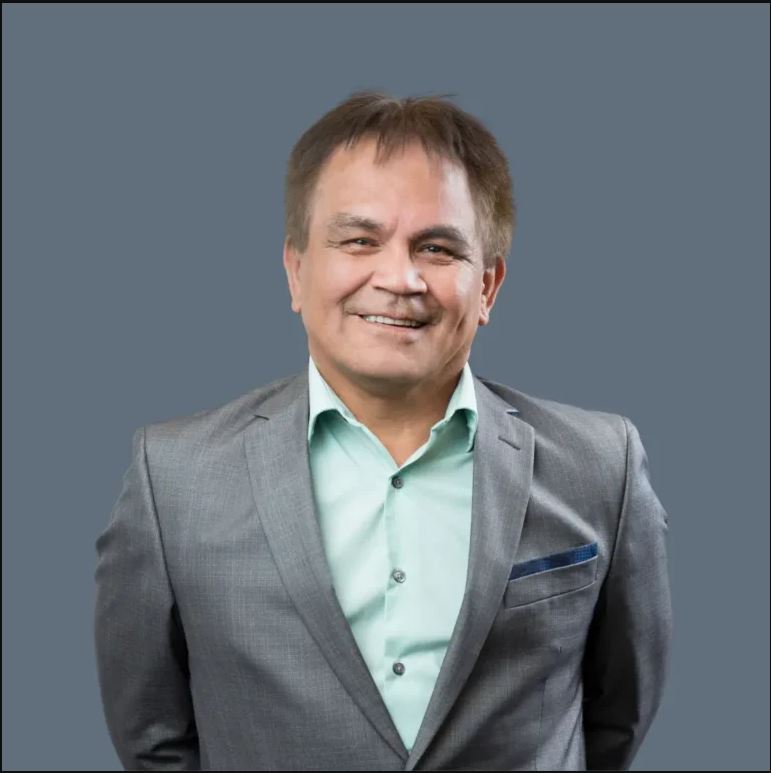
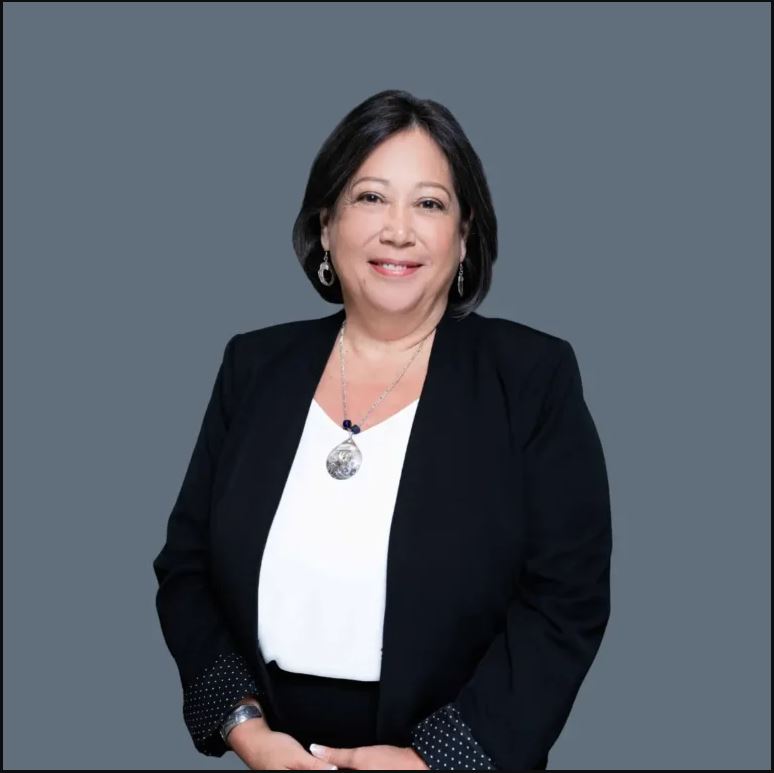
The BC Treaty Commission is congratulating Huu-ay-aht’s Angela Wesley on her appointment by the Government of British Columbia for a two-year Commissioner term.
Wesley is no stranger to the role, having previously served as a commissioner from 2018 to 2025. During that time, the K’omoks, Kitselas and Kitsumkalum First Nations moved forward in their treaty negotiations with the federal and provincial governments.
Previous to her time with the BCTC, Wesley worked on the negotiation of Maa-nulth treaty on behalf of Huu-ay-aht. Implemented in 2011, the Maa-nulth Final Agreement also includes, Toquaht, Uchucklesaht, Ka:'yu:'k't'h'/Che:k'tles7et'h' and Yuułuʔiłʔatḥ First Nations, who are working hard to implement their treaties. Wesley serves as the speaker in the Huu-ay-aht Legislature.
"She was involved in the negotiation, ratification and ongoing implementation of the Maa-nulth Treaty, which was the first multi-nation modern treaty under the B.C. treaty process,” said Spencer Chandra Herbert, B.C.’s minister of Indigenous Relations and Reconciliation. “Wesley has served as speaker (legislative chairperson) for the Huu-ay-aht First Nations Legislature and People's Assemblies.”
“I’m excited to join the Treaty Commission at this important time when the principals have renewed their commitments to the treaty process through the Principals Accord,” said Wesley in a statement. “I look forward to bringing my experience in treaty negotiations and implementation to BCTC.”
The Ministry of Indigenous Relations and Reconciliation said that Wesley will serve as B.C.’s appointed commissioner. Commissioners do not represent the principals who appoint them, and serve independently.
Established in 1992, the BC Treaty Commission is an independent, impartial body responsible for facilitating treaty negotiations between the provincial and federal governments, and participating First Nations in the province. It consists of one chief commissioner, who serves for a three-year term, and four commissioners each appointed for two-year terms.
It was in February 1993 that the Nuu-chah-nulth Table, representing 14 Nuu-chah-nulth First Nations, officially entered the treaty process. Over time, some of the nations splintered off to move forward with negotiations at smaller table.
Huu-ay-aht, Ka:'yu:'k't'h'/Che:k'tles7et'h', Toquaht, Uchucklesaht and Yuułuʔiłʔatḥ First Nations united to successfully negotiate the Maa-nulth Treaty, which was implemented in 2011.
Ditidaht joined Pacheedaht First Nation to negotiate together. They are currently in Stage 5 of the six-stage treaty process. In this stage, the parties are negotiating to finalize their treaty.
This leaves eight Nuu-chah-nulth nations. Hupacasath and Tla-o-qui-aht have negotiated on their own and both are in Stage 4 – negotiation of the Agreement in Principle.
Hupacasath are not in active treaty negotiations; however, they are working on sector-specific reconciliations.
“They are actively negotiating agreements that cover land use, forestry, and economic opportunities, including a 2025 reconciliation agreement,” according to the provincial government.
Similarly, Tla-o-qui-aht is not in active treaty negotiations but is engaged in independent discussions with the province and federal governments on matters outside of the treaty process. They’ve completed several revenue-sharing agreements when it comes to clean energy and forestry. They signed an incremental treaty agreement in 2008 and a pathway agreement with the province in 2021.
Ahousaht, with its enrolled membership standing at 2,241, is now negotiating land and resource agreements outside the treaty process. According to information from the provincial government, Ahousaht has signed a Reconciliation MOU with the province in 2021. From 2008 to 2025 Ahousaht has signed agreements with the province in the areas of forestry, an Atmospheric Benefits Agreement, and a protocol agreement in 2016.
Ehattesaht, Hesquiaht, Mowachaht/Muchalaht, Nuchatlaht and Tseshaht First Nations are the remaining nations representing just over 3,000 citizens that remain at the Nuu-chah-nulth Treaty Table. This table has reached Stage 4, but their negotiating status is listed as inactive.
Why are treaties important? According to BCTC, self-determining First Nations each establish unique, constitutionally protected self-government arrangements, which will be exercised within the existing Canadian Constitution. Through a finalized treaty agreement, First Nations are released from Canada’s Indian Act.
Treaties, agreements, and other constructive arrangements seek to end the legacy of colonialism. Instead of the Indian Act, new agreements aim to recognize First Nations’ Aboriginal title and rights. They provide for the co-existence of Crown and First Nations governments and laws, allowing Indigenous cultures, languages, and values to grow.
Through treaties and such agreements, the BCTC says First Nations can unlock economic development opportunities, close socio-economic gaps between Indigenous and non-Indigenous communities, ensure a true sharing of prosperity, and build a new nation-to-nation, government-to-government-to-government relationship through constitutionally entrenched agreements.
Wesley joins Francis Frank of Tla-o-qui-aht, who, since 2015, has served several terms at the BCTC as a commissioner.
“The Treaty Commission also acknowledges Commissioner Tom Happynook after close to four years as the provincial appointee. Tom was the first commissioner who was a citizen of a modern treaty First Nation and played a significant role in the negotiation and implementation of Huu-ay-aht First Nations’ treaty. He brought valuable experience and a passion for the meaningful reconciliation that comes from modern treaties,” reads a BCTC statement.