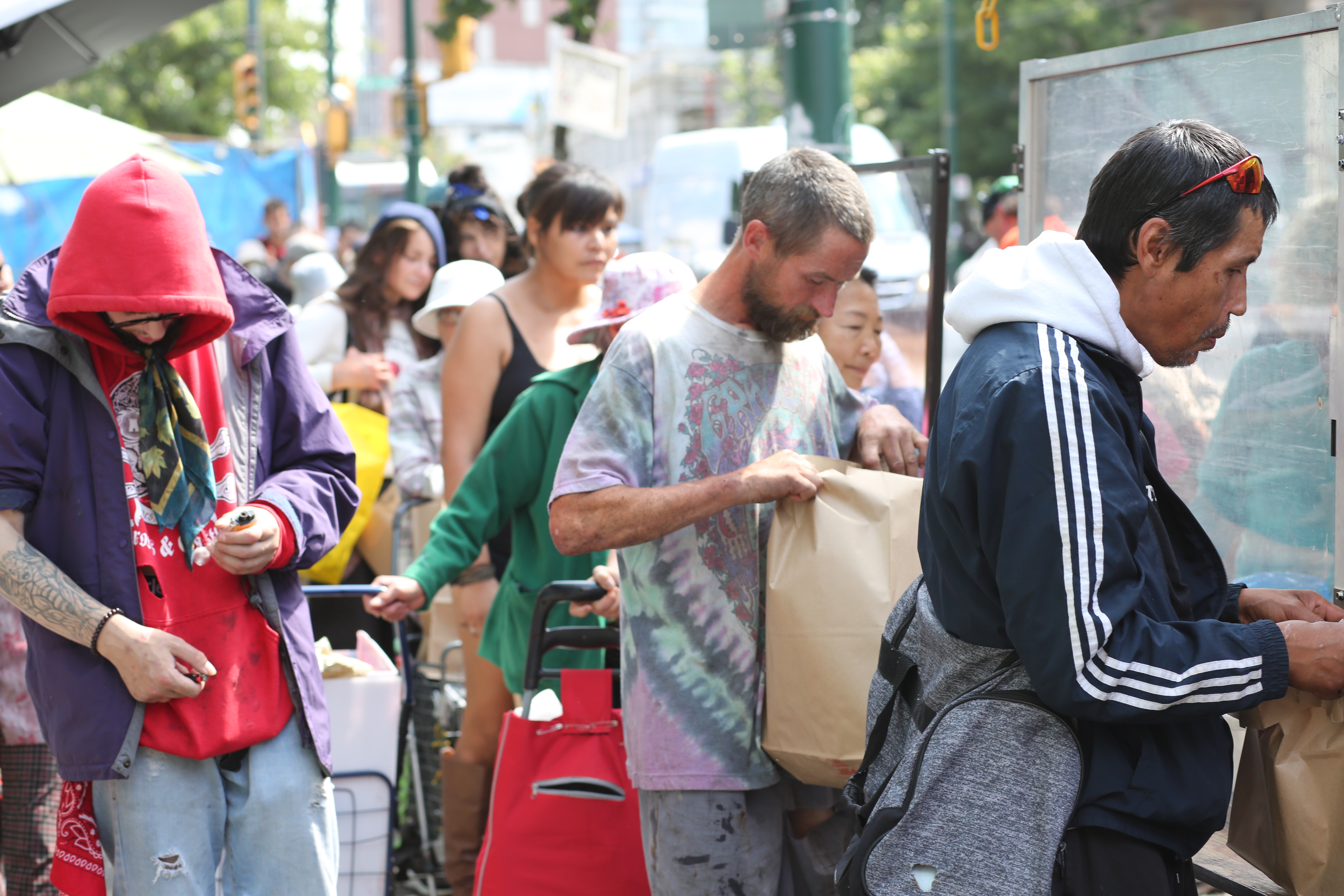
Recent provincial data shows that drug fatalities have declined to a level not seen since before the COVID-19 pandemic, but a former user cautions that western Vancouver Island’s services for those who want to get clean remain painfully lacking.
This month the B.C. Coroners Service reported 109 suspected deaths by illicit drug use in May – a low not seen since February 2020. This is part of a downward trend in overdose fatalities, putting the B.C. rate for May at 3.5 deaths a day – half of what the province faced when fatalities peaked in 2023.
Coroner’s data from the first five months of 2026 show that 76 of those who died were male, with 81 per cent of the deaths occurring inside in places like private homes, social housing and shelters. Eighteen per cent of the deaths occurred outside of buildings, which includes in vehicles, on the street and in parks. At 71 per cent, smoking was the most common form of consumption that led to death, reports the Coroners Service.
Although the numbers have gone down, drug overdose remains the leading cause of unnatural death in B.C., more than homicide, suicide and car accidents combined. Since April 2016 the crisis has been declared a public health emergency in British Columbia – prompted by a rise in fatalities that coincided with the presence of fentanyl in illicit drugs.
Fentanyl is a powerful synthetic opioid, originally designed as a medical-grade painkiller. Over the years fentanyl and other painkillers became more prevalent in health care, an approach that the B.C. government sees as irresponsible, leading to a class-action lawsuit against drug companies and distributors. On July 6 the B.C. Court of Appeal confirmed the lawsuit can proceed, and a trial is expected in early 2028.
“Too many people in British Columbia have lost loved ones or continue to struggle because of the opioid crisis,” said B.C. Attorney General Niki Sharma in a recent statement. “Our goal was to recover the public health-care costs of treating opioid-related harms, and to hold opioid manufacturers, distributors and the consultants who advised them accountable for their alleged use of deceptive marketing to drive opioid sales, contributing to addiction and overdose.”
The B.C. Centre for Disease Control has been closely watching the downward trend in overdose deaths, citing a variety of factors that include the declining presence of fentanyl in the street supply. Although its dangerous analogues have increased, fentanyl content has steadily dropped among the seized drugs and fatal cases since late 2020.
Part of the reason for this could be a disruption in the international distribution of illicit fentanyl, according to an article published early this year by Science magazine.
“[W]e suggest there was a major disruption in the illicit fentanyl trade, possibly tied to Chinese government actions, that translated into sharp reductions in overdose mortality beginning in mid- or late-2023 and continued into 2024 across both the US and Canada,” stated the study.
Meanwhile, the availability of Naloxone kits, which reverse the effects of an opioid overdose, have increased since the public health emergency began a decade ago, according to analysis from the Public Health Agency of Canada. Although fatalities have gone down, calls to emergency services have not. In fact, in March 2026 B.C. Emergency Health Services attended to a record 2,826 overdose calls.
“Although less people are dying from drug poisonings in B.C., paramedic-attended overdoses have been increasing,” said Dr. Geoff McKee, the B.C. Centre for Disease Control’s medical director. “This shift happened around the same time that the veterinary tranquilizer medetomidine began to be detected in the unregulated drug supply. Medetomidine causes sedation, low heart rate (bradycardia), and changes to blood pressure.”
In its analysis, the national health agency adds that fatalities could also be declining due to the fact that many of those who face the highest risk have already lost their lives to drug poisoning.
“A declining population at risk is a likely factor in the recent decline in opioid-related deaths,” stated the health agency. “Population declines are in part because many lives were lost over previous years.”
Help needed to ground a person
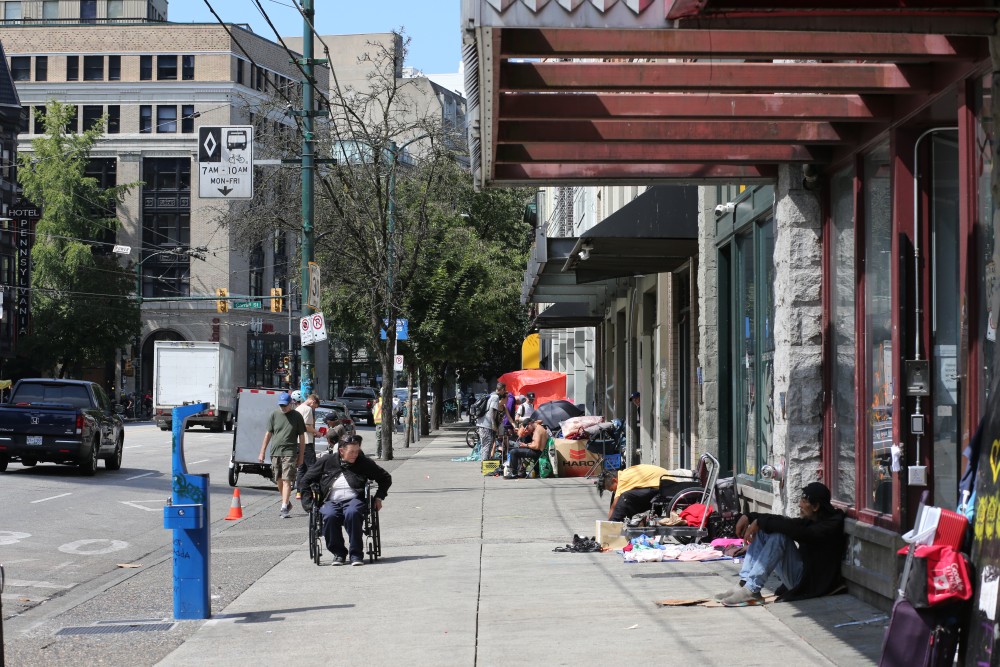
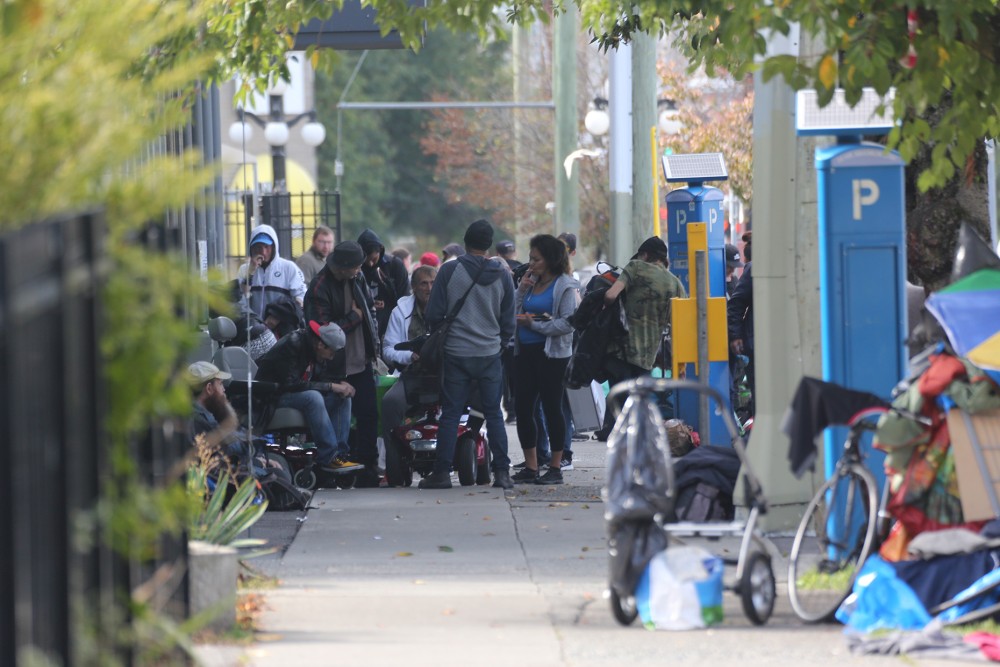
The drug crisis has devastated many Indigenous families, and First Nations have faced a fatality rate more than six times that of the rest of B.C.’s population, reports the First Nations health authority. In September 2024 the Nuu-chah-nulth Tribal Council declared a state of emergency on the matter, calling on government support for Nuu-chah-nulth communities to devise their own solutions on mental health issues and drug use. Meetings with provincial representatives followed, but money to support an NTC plan did not, as the province cited a lack of funds to support such regionally driven initiatives. Vancouver Island’s western region is still without a drug detox facility, and for those in Port Alberni the closest detox centre is over 80 kilometres away in Nanaimo.
Meanwhile recovering from drug addiction remains a painful, uphill struggle, says Rose Chester, who used fentanyl, cocaine and heroin for seven years. She quit nearly three years ago when she decided to leave Vancouver’s Downtown Eastside to return home to her Ditidaht First Nation community on Nitinaht Lake. The detox process was extremely painful, as Chester had to get regular hour-and-a-half rides to Port Alberni for her dose of methadone treatment. Her recovery eventually improved when Chester was able to instead get a monthly suboxone shot when she visited Port Alberni for medical attention.
Reflecting on her recovery, Chester believes that available supportive housing and a detox facility in the region would give more people a chance.
“I would like to see housing in like a camp with an elder, an elder that understood addiction, withdrawals,” said Chester, who adds that “getting help [in a] cultural way helps to ground a person and reclaim their spirituality.”
As a member of the Alberni Valley Community Action Team, for years Ron Merk has been advocating for those in the grip of the drug crisis.
“The real solution is recovery beds that are immediate,” said Merk, who regularly writes about the drug crisis and mental health issues on his Learning Moments website. “Governments across Canada just have not stepped through the real door for solutions.”
What governments have done over the past decade is introduce more harm reduction measures to help keep drug users alive, including supervised consumption sites that are now available in cities across Canada. But in British Columbia the approach on how to best handle the drug crisis appears to be shifting, as indicated by an announcement from Health Minister Josie Osborne this spring to not open an overdose prevention site in downtown Vancouver due to concerns from the city, local businesses and community partners. This leaves the downtown with one less supervised consumption site than it had a year ago.
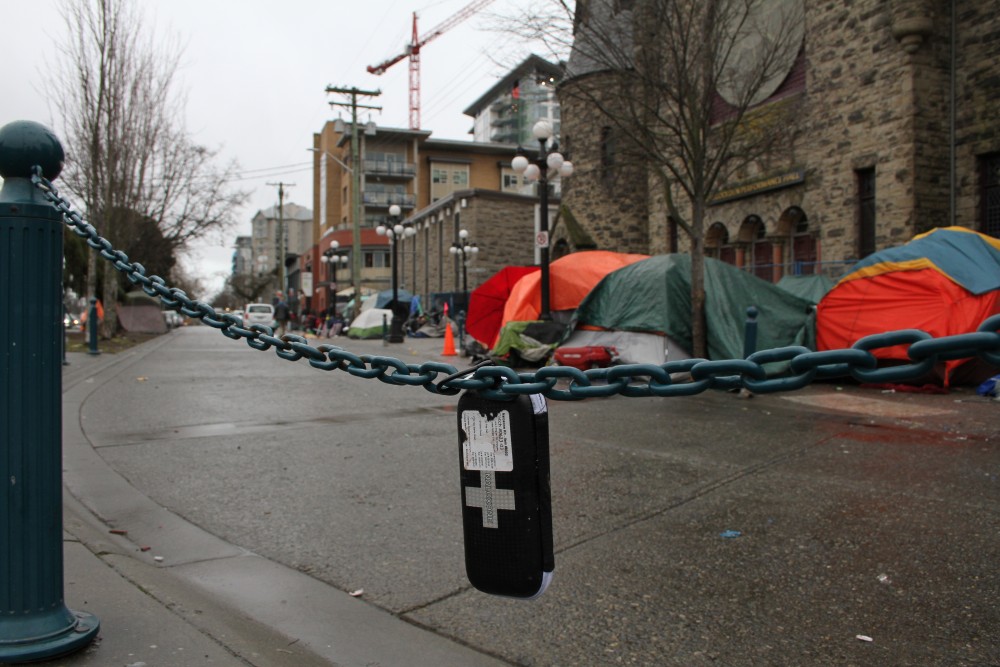
In January Osborne announced that the province would not be continuing with a drug decriminalization project. First initiated in January 2023 in the interest of bringing people out of the shadows and eliminating the stigma of drug use, this three-year exemption from Canada’s substance laws allowed users to carry and consume personal amounts of illicit substances in public spaces. But amid concerns of street disorder, less than halfway through the project the provincial government scaled back decriminalization, again prohibiting open use in public spaces.
“I think that there was such horrendous pressure from the other side of the political spectrum that the government had no choice,” said Merk.
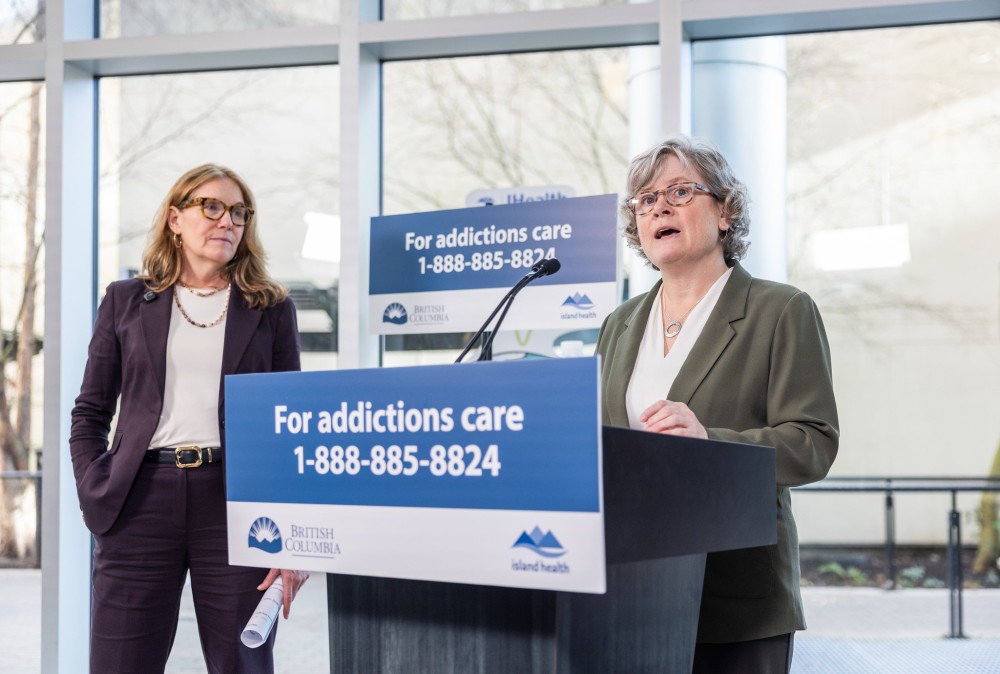
For those in the Island Health region, help is available through the Access Central hotline seven days a week, from 9 a.m. to 7:45 p.m. at 1-888-885-8824.