The Cowichan River and the Heart of Fraser are tied for first place in this year’s Endangered Rivers List, released by the Outdoor Recreation Council of B.C. (ORBC).
Other rivers made it to the list, including the Elk River in Kootenay, Kettle River in the Okanagan, Stikine River in the northwest region, the Similkameen River in the Southern Interior and the Thompson/Chilcotin rivers steelhead in the Interior.
“The list is not meant to be all-inclusive, but rather to highlight key issues and encourage action,” said Mark Angelo, ORCBC’s rivers chair and founder of both B.C. Rivers Day and World Rivers Day.
“We’re seeing some great positive action happening around the province when it comes to protecting rivers, water conservation and things like that. A lot of energy and focus is being put on [conservation],” said Ryan Stuart, community engagement lead from the Outdoors Recreation Council of B.C. “We also see some lingering concerns. With the list, we wanted to highlight rivers that sort of fit that mix.”
For over 30 years, the ORBC has released the B.C. Endangered Rivers List to raise public awareness about clean water conservation and the protection of rivers in the province. The ORBC advocates for access to land and water for recreation on behalf of more than 100 non-profit associations and clubs representing more than 200,000 British Columbians.
The list doesn’t have a fixed criterion for each river to “score”. Instead, the ORBC talks to its members and researches the current status of the rivers in the province, gathering information from visual observations and reported concerns. Thus, the list is a compilation of feedback from the ORBC’s receivers that establishes its theme.
In this year’s theme, “Glimmer of Hope”, the rivers mentioned are those whose conservation associations have made significant progress on for their protection. These rivers are also highlighted for needing provincial support, funding or more attention from the community to succeed in restoration efforts.
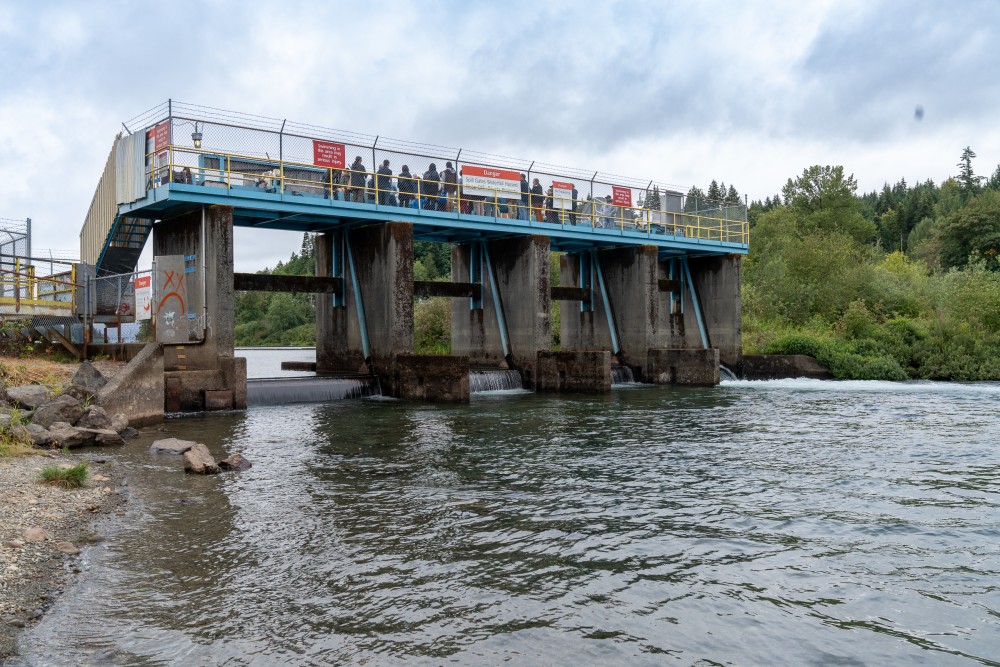
“The Cowichan . . . it’s got this great plan that could really make a big difference to the river’s health. There’s a plan to raise the weir and there’s a lot of support behind that. It’s been worked on for a long time and it just needs the funding to be done at this point,” said Stuart. “We’re concerned that if the province doesn’t move quickly on this, [the plan] could get bogged down, and it could take a long time.”
Success on the Cowichan conservation project would positively translate to the river’s health, fish, recreation opportunities and the people living along the lake.
Climate change is the biggest issue for the Cowichan River, according to the ORBC. As temperatures rise, leading to a hotter summer season and less winter snowpack, water flow decreases significantly, placing pressure on rivers and the ecosystems they support.
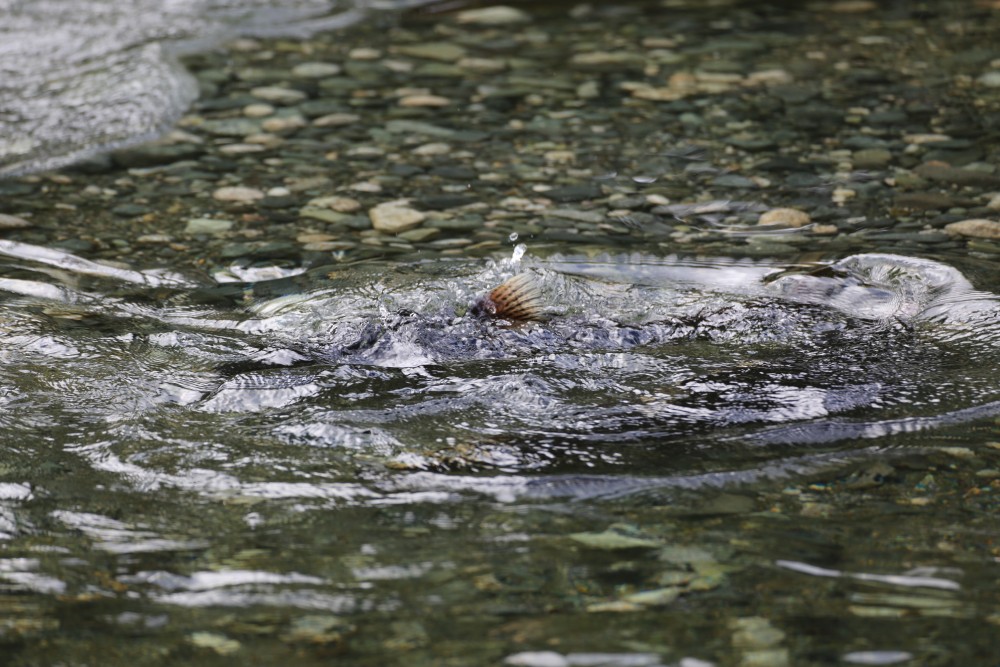
The rising temperatures—becoming alarmingly common—result in algae blooms that kill fish, particularly juvenile salmon and steelhead. In 2023 around 85,000 juvenile steelhead died from the Cowichan’s changing conditions. Other concerns include waste and construction garbage dumping and toxic chemicals spilling into the river.
Stuart said that the Cowichan is highlighted due to the need for the provincial government to take action.
“We get the public’s attention, they push their members of the Legislative Assembly to act and get this done and move it forward. It’s a similar story with the Heart of the Fraser river,” he said.
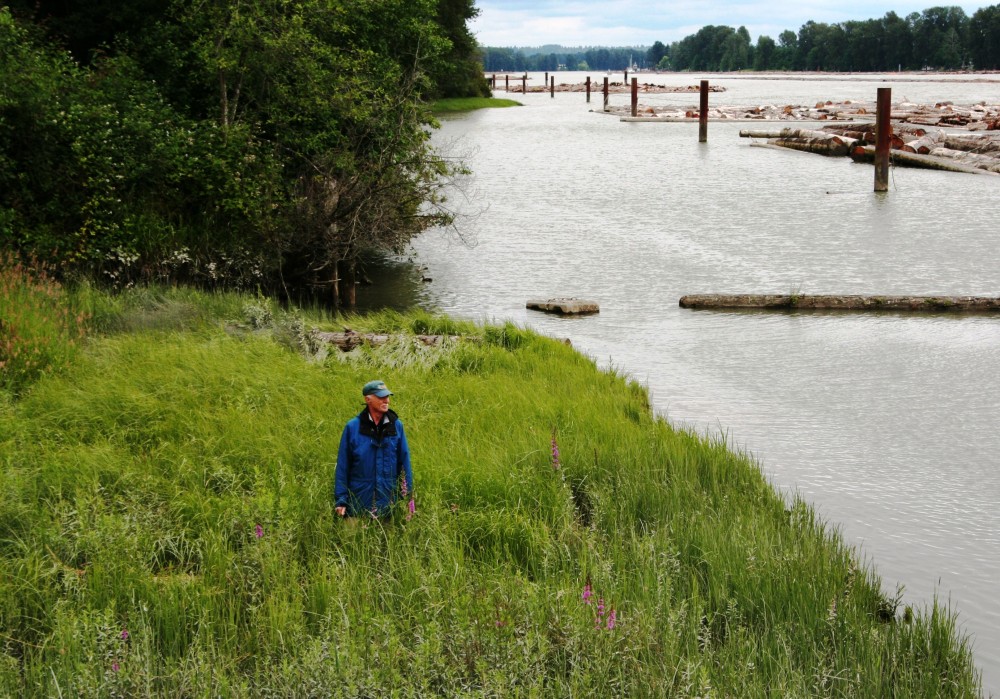
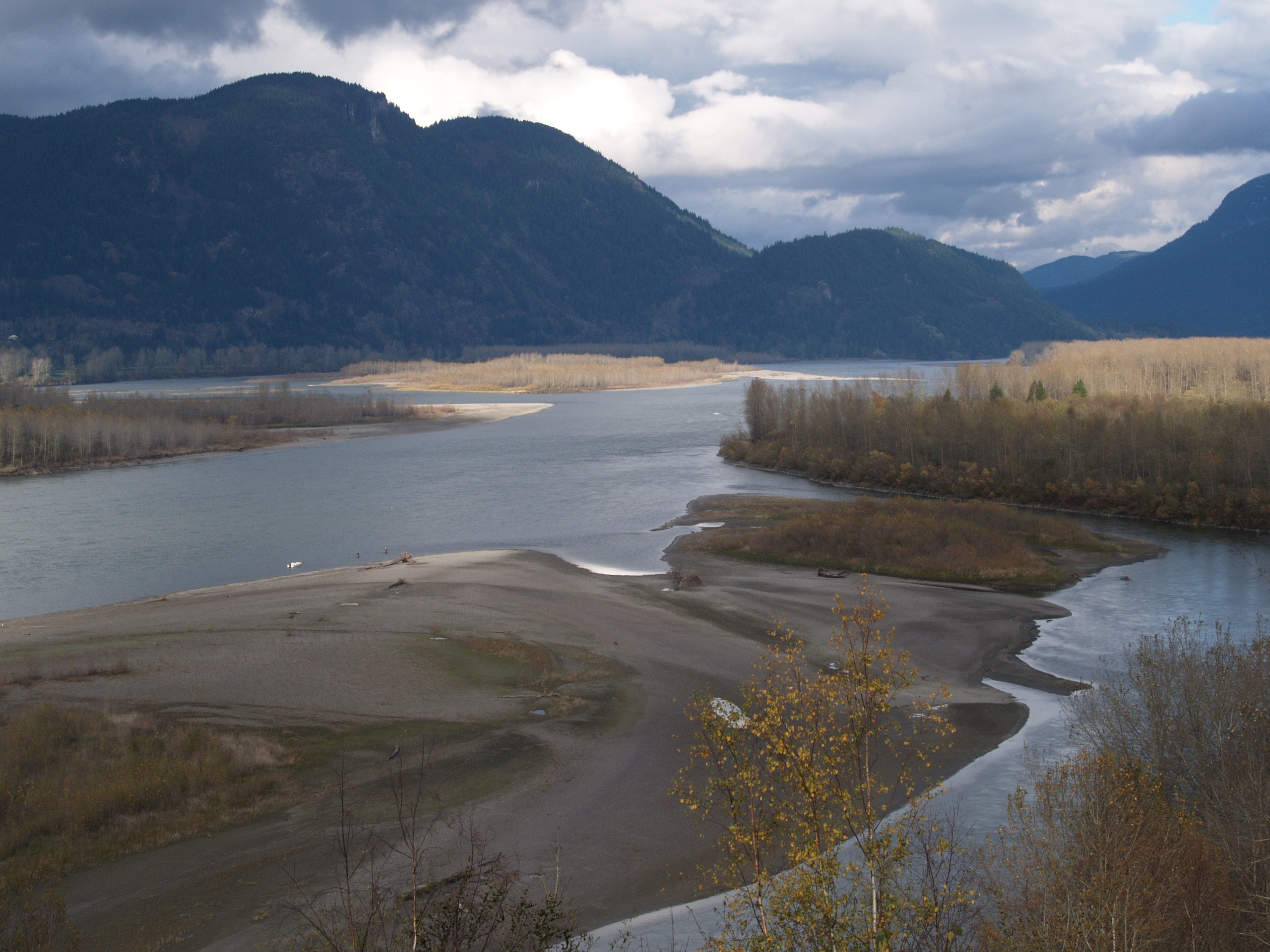
Urban and industrial development is the biggest concern for the Heart of the Fraser River, which is the section between Mission and Hope. It’s one of the most important salmon habitats on earth, but construction continues to erode the ecosystem’s ecological health. Conservation groups continue to purchase land for preservation along the Fraser River, earning it a place at the top of the list. However, the lack of a coordinated conservation plan and the continued development throughout the area still pose a threat to the ecosystem.
“If we want salmon in our rivers, then we need to really think about what we can do to ensure that they have a sustainable future,” said Stuart.
Fortunately, in 2024 the Nature Conservancy of Canada purchased Carey Island, an important spawning area for white sturgeon and salmon near Chilliwack. The BC Parks Foundation purchased a big riverfront farm near Agassiz with the intention of protecting and rewilding the species. The Nature Trust of B.C. succeeded in preserving half of the Nicomen Slough, protecting fish’s natural habitat and the migrating waterfowl.
Other conservation efforts by associated groups include investing in land and introducing more species of local flora and fauna to aid the ecosystem. The ORBC aims to encourage the continuation of such efforts, secure the provincial government’s support, and develop a strategic plan for river preservation to make a greater impact.
Elsewhere in the province, the Mowachaht/Muchalaht First Nation is working to preserve multiple watersheds in the Nootka Sound area. With their Salmon Parks initiative they plan to manage the watersheds to increase salmon flow.
Stuart reported an increase in sustainable logging as good news for salmon, as it clears the spawning grounds they return to. First Nation restoration efforts leaned more toward a long-term solution by focusing on creating a biodiverse, more sustainable ecosystem that aligns with their cultural values. A recent collaboration between Parks Canada and First Nation communities across the country resulted in the rehabilitation of salmon habitat at Cheewaht Lake, with a reported increase in the juvenile fish population.
“When we take care of rivers, they take care of us, they provide us with fresh drinking water, they provide us with beautiful places to go and sit and listen to the water and watch the salmon return in the fall,” said Stuart.