Tla-o-qui-aht First Nation has partnered with Redd Fish Restoration Society (Redd Fish) and West Coast Kelp Ltd. to undertake a large-scale kelp restoration project on the Pacific Coast.
The total project budget is roughly $240,000 with a large portion of the funds coming from the provincial government, plus a patchwork of grants from the Pacific Salmon Foundation, World Wildlife Fund Canada, Sustainable Ocean Alliance, and Clayoquot Biosphere Trust, according to Redd Fish.
Federal and provincial permitting took less than a year; a timeline that Redd Fish says was fast-tracked due to their formal Letter of Agency (LOA) from Tla-o-qui-aht.
“We are keen to see the haahuulthii (traditional territory) of the Tla-o-qui-aht ha’wiih (hereditary chiefs) achieve a state of abundance,” said Saya Masso, Tla-o-qui-aht’s natural resources manager. “This means that we must have fully functioning ecosystems. Kelp is an important part of the salmon ecosystem.”
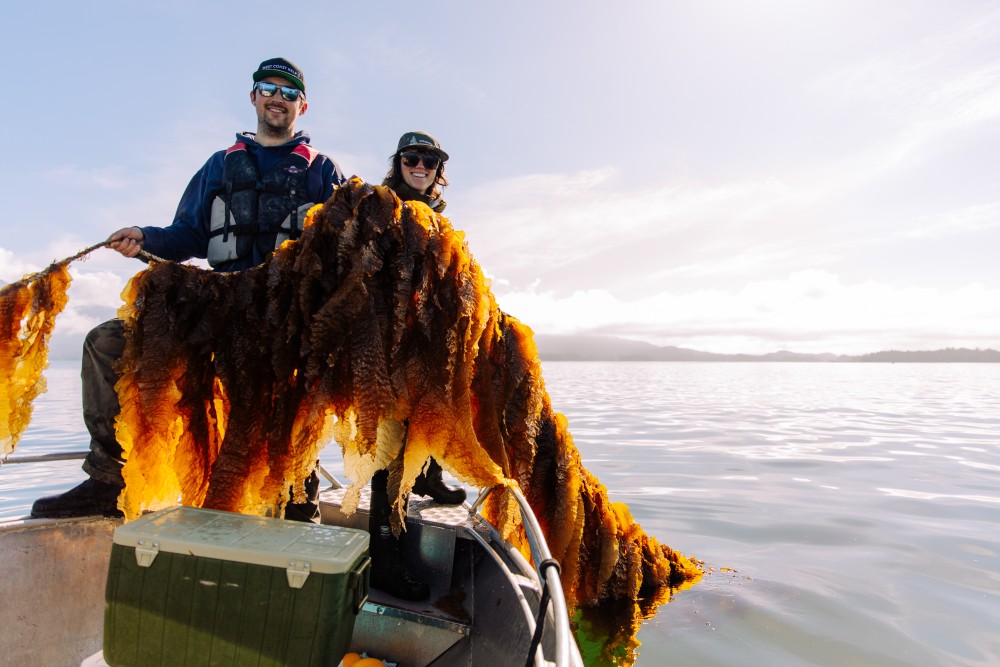
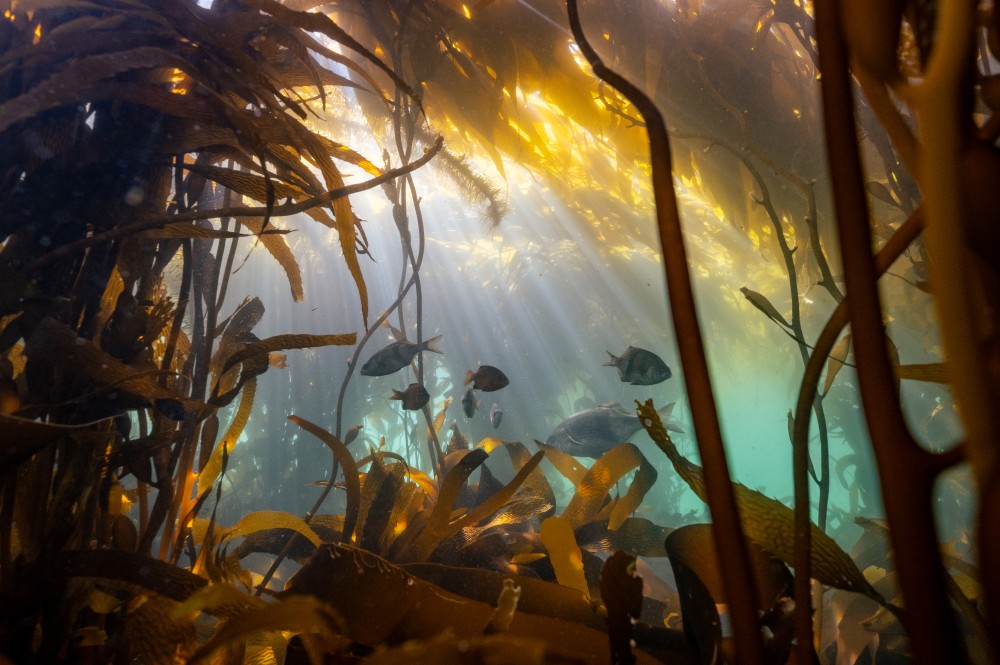
The first-of-its-kind kelp restoration project involves dropping four In Ocean Nursery Systems (IONS) within Tla-o-qui-aht traditional waters. The IONS will be placed at Baxter Islets near Tofino to produce giant kelp that will enhance habitat for juvenile salmon, Pacific herring and a suite of other species.
“There are so many things that are impacting salmon populations,” said Emily Fulton, marine program manager with Redd Fish.
She explained that for the past 30 years, Redd Fish has been working to accelerate the recovery of west coast forest ecosystems and watersheds destroyed by decades of unbridled industrial logging.
“But salmon and salmon life cycle doesn’t end at the river mouth,” said Fulton. “That’s why we need to look further afield. We need to look at eelgrass ecosystems that are nurseries for salmon and we need to look at these other complex nearshore ecosystems like kelp forests.”
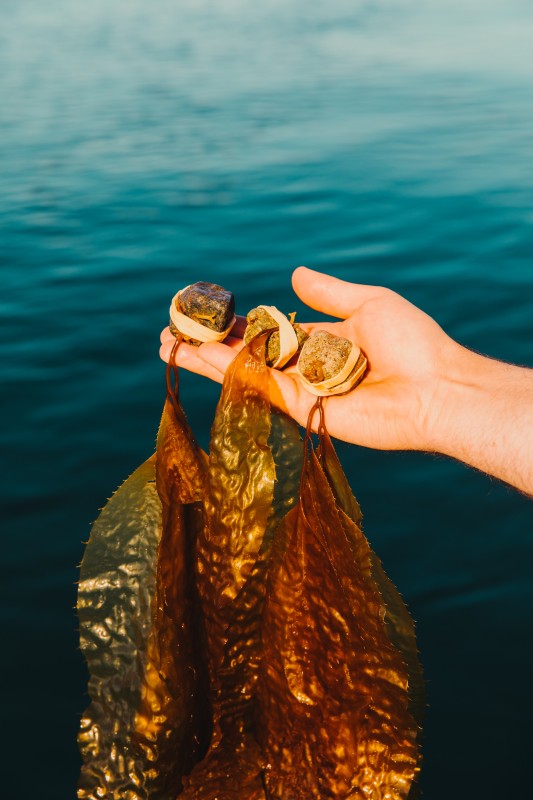
The IONS — suspended mariculture-like structures that allow young kelp to grow above the seafloor – were designed and built by West Coast Kelp. They are scheduled to be deployed in early February and come spring, West Coast Kelp president and founder Tom Campbell says the restoration project will produce enough kelp habitat to fill 1,900 standard pickup trucks, or 2,900 cubic metres of habitat. He says they plan on doubling that biomass in year two of the project.
“The goal behind our restoration approach isn’t simply a one and done quick fix. Ecosystem stewardship is a long game, and we work with First Nations to make sure that projects are designed and linked with their priorities,” said Campbell.
He predicts the salmon will indeed use the kelp restoration site as habitat.
“(Salmon) are a migratory species, so they don’t hangout anywhere for long, but I do suspect that our monitoring will show adult salmon feeding on smaller forage fish using the kelp as habitat and in the spring, when the juvenile salmon are out-migrating from their native streams, I suspect we’ll observe some juvenile salmon using the habitat as well,” he said.
The research team and Tla-o-qui-aht Guardians will also cultivate kelp from the IONS and strategically transplant them to the seafloor at a number of nearshore sites that are migration corridors for local salmon.
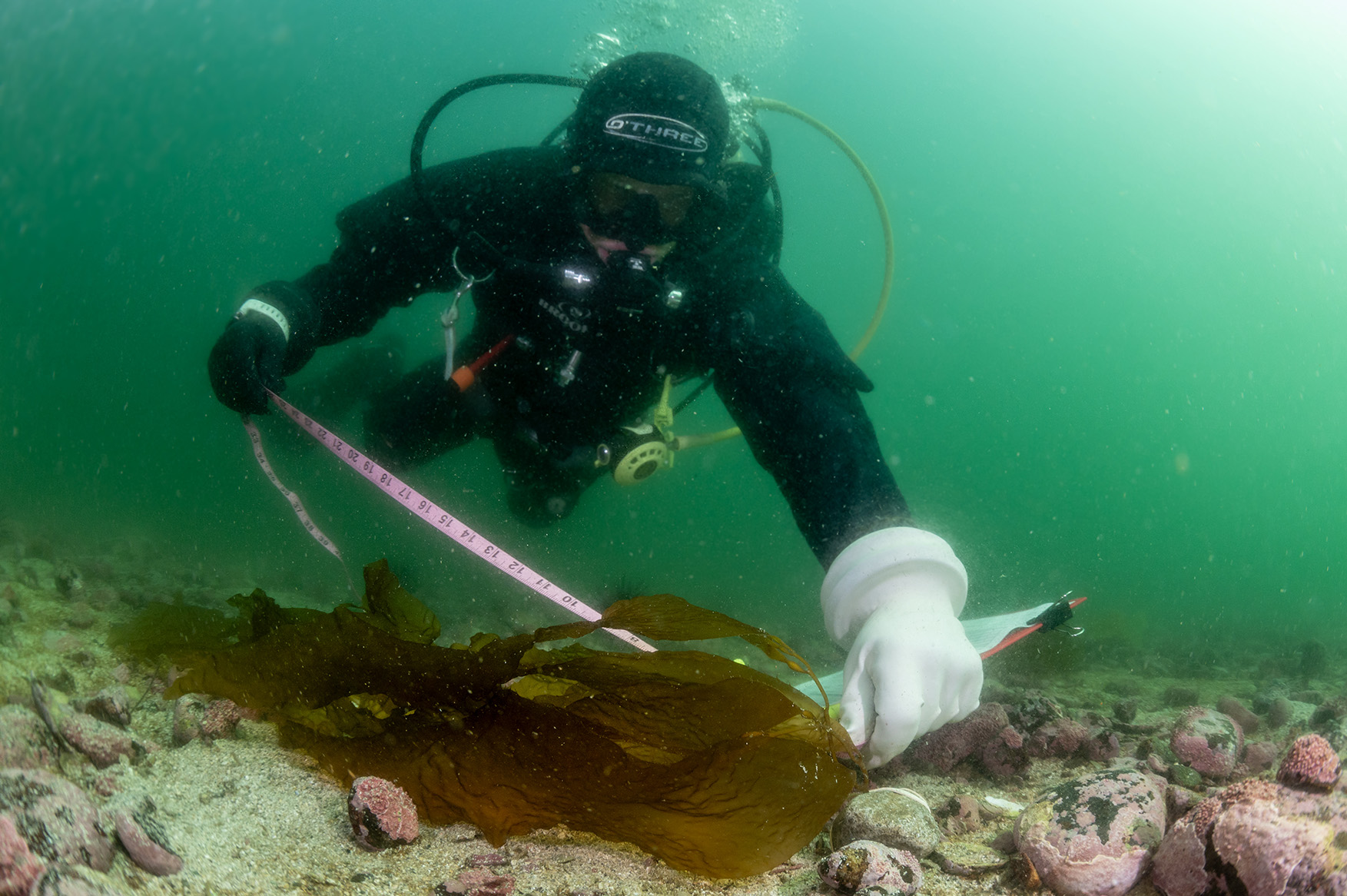
Redd Fish has been conducting drone surveys of wild kelp beds along the west coast of Vancouver Island for several years. The environmental non-profit says they’ve observed a decline in kelp, which they say is due to “marine heat waves, climate change and disrupted trophic dynamics”.
“This project directly addresses those challenges by growing locally adapted kelp at a scale meaningful enough to deliver ecosystem-level benefits,” said Redd Fish.
Hourly camera monitoring and software trained to count fish
Along with the kelp restoration, Tla-o-qui-aht, Redd Fish and West Coast Kelp are investing in underwater cameras to monitor and quantify the habitat provisioning benefits of kelp.
Campbell said they have hired an engineering co-op to assemble four special underwater cameras that will record five minutes of footage at the top of every hour. At the end of the first year, he estimates they will have 87,000 minutes of video data, which they will process with computer software trained to identify and count fish.
“We’ll get this really clean data set that show us what fish, how many fish are coming and using the habitat at different times of the year,” said Campbell. “It will be really meaningful data to Tla-o-qui-aht. It will allow for much stronger management decisions.”
“It really opens the door for a much deeper understanding of what’s happening in the ecosystem that until now has been much harder to observe,” he said.
The IONS are not a patented system and camera monitoring technology is open access as well.
“We want to share this knowledge. There is so much potential for Indigenous-led kelp restoration projects on the west coast of Vancouver Island. Maybe in five or 10 years Nuu-chah-nulth territory will be the epicenter of kelp restoration in the world,” said Campbell.
For years, scientists have been researching the carbon sequestration potential of seaweed to mitigate climate change. Studies show that seaweed aquaculture can also help reduce the emissions from agriculture, improving soil quality by substituting synthetic fertilizer and when included in cattle feed, lowering methane emissions from cattle.