
Living in a small, remote community can make it hard to get fresh fruit and vegetables in a pinch. Add to that road closures due to wildfires or storms, making access to grocery stores tough for residents of Anacla and Bamfield. It also makes bringing in fresh produce equally difficult for the local grocer.
Huu-ay-aht Elected Chief Sayaacath (John Jack) said that the nation runs one small grocer in Bamfield and if it doesn’t have what you need, you’d have to drive 90 minutes to Port Alberni to the nearest grocery store.
“Despite the road being improved, we're still far removed from any sources of fresh food. And that's when we saw an opening for working with an economic partner on creating vertical farms that would allow us to grow produce in the area using new technology that would bring healthier food (to the community),” Jack told Ha-Shilth-Sa.
To address this need, Huu-ay-aht First Nations has turned to a company called Growcer, and with funding from the Large-Scale Food Infrastructure Fund and the Capital and Innovation program, the nation will purchase a system that grows produce with a hydroponic vertical farming technology.
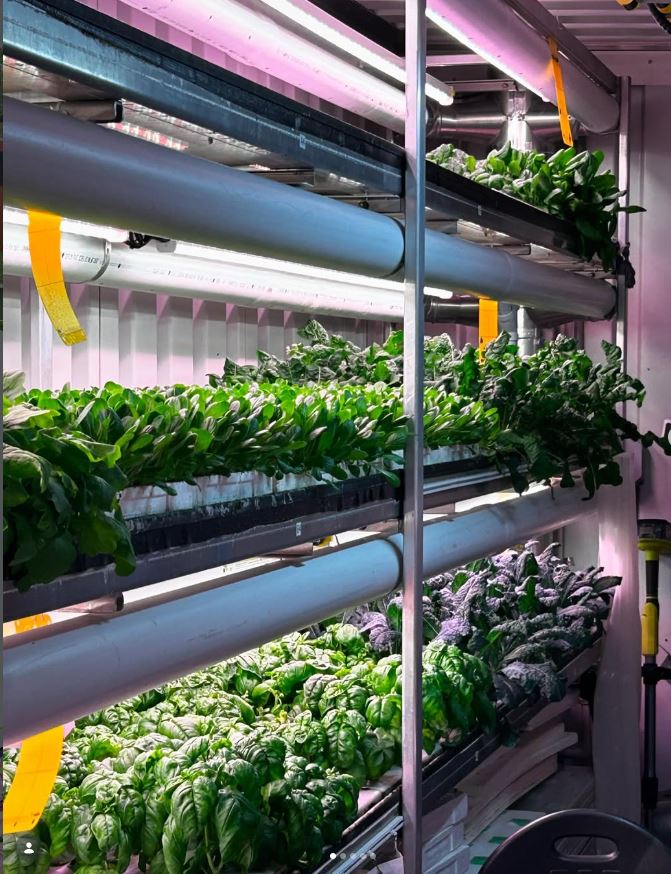
The hydroponic vertical system is already being built and will be installed in a clearing behind the House of Huu-ay-aht. Jack says that the system has a smaller footprint than a traditional greenhouse, but it will be taller. The vertical growing system can be used in harsh climates.
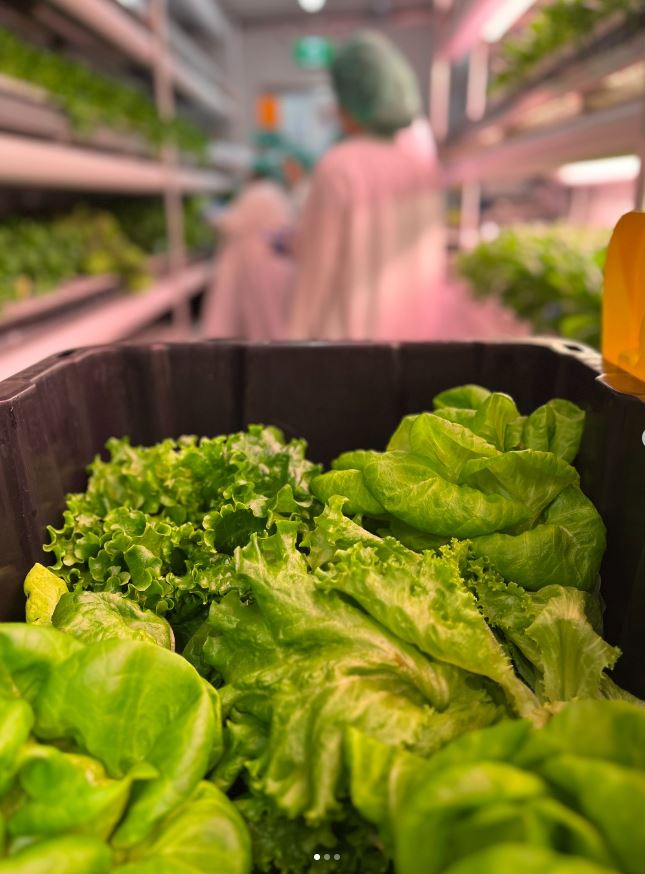
Hydroponics is a method of growing plants without soil, using mineral nutrient solutions in a water solvent instead. Special lights are used to grow fresh food like lettuces, leafy greens, herbs and brassicas (broccoli, cauliflower, cabbage, turnips, brussels sprouts).
What this means for locals is they will have access to fresh, nutritious food grown in the community by two of their citizens who have been trained to operate the facility. The system can grow food year-round, regardless of the weather.
“While this initiative is fundamentally a social-economic development project aimed at increasing reliable access to fresh, healthy foods, our goal is to ensure it remains financially sustainable and does not place an ongoing burden on the nation’s resources,” stated Huu-ay-aht First Nations in their newsletter.
The Growcer Modular Vertical Farm system is made in Canada and is easily expandible. The land in Anacla is being prepared to receive the system. Once installed, two Huu-ay-aht citizens can begin growing food for the nation beginning in late spring or over the summer, according to Jack.
According to their website, Growcer partners with Indigenous communities to create local food systems that promote food sovereignty, economic growth, and environmental stewardship.
“You will gain the tools for year-round, climate-resilient agriculture to reclaim control over your food supply and create a lasting impact for generations to come,” states the Growcer website.
Jack looks forward to having healthier food brought closer to the community. Having food grown locally means the people will receive produce at its freshest.
“The idea is that we are going to be creating a source of this food locally, and so the selling of that food will likely be through already existing markets,” said Jack.
These existing markets include a grocery store and restaurant that Huu-ay-aht runs in Bamfield. Jack says the nation could consider other types of distribution systems to help make the venture sustainable.
Two Huu-ay-aht citizens have gone to Alert Bay for training to operate the system. Canadian First Nations that are utilizing the Growcer systems including Squamish and Nisga’a in British Columbia, creating employment and providing fresh, healthy food grown at home.
Huu-ay-aht First Nation is grateful to the following funding agencies that support this project: ICET- Island Coast Economic Trust, LFIF- Local Food Infrastructure Fund, and LGCAP - Local Government Climate Action Program.


