As the sun appears to be setting on salmon farming in British Columbia, the industry remains a divisive topic amongst coastal First Nations. Some declare their territorial right to economic development, while other First Nations say pathogens spread from fish farms aren’t giving wild Pacific salmon stocks a chance to recover.
After years of debate, court battles and studies promoted from both sides of the issue, the future of the industry was given a defining blow in June 2024, when Fisheries and Oceans Canada gave aquaculture companies five years to get open net pens out of the Pacific. This narrowed the options for salmon farming on the West Coast, as open net pens have long been the industry standard.
“The government is firmly committed to taking concrete steps to protect wild salmon,” stated former fisheries minister Diane Labouthillier when the deadline was announced.
Most of the salmon harvested in B.C. comes from ocean-based farms, according to economic data tracked by the provincial government. With almost 54,000 tonnes of farmed salmon harvested in 2024, the government’s decision to ban open-net pens brought protest from the industry. The BC Salmon Farmers Association expects that thousands of coastal jobs will be lost, while Canada will rely more on importing fish from foreign markets.
A year and a half later, the future remains uncertain for the industry. In 2025 DFO released a transition plan that leaves the door open for “marine and land-based closed containment” systems which “will be required to ensure the removal of waste and filtration or treatment of discharged waters.”
Large-scale companies like Cermaq already use land-based and semi-closed containment systems for part of their salmon’s growing cycle. But transitioning to only using closed containment isn’t viable, says Brian Kingzett, executive director of the BC Salmon Farmers Association.
“The ban as it’s described now is not workable for British Columbia and it will have significant economic repercussions for the north coast and the west coast of Vancouver Island,” he said. “We’re waiting for a decision from the Carney government in how they want to proceed.”
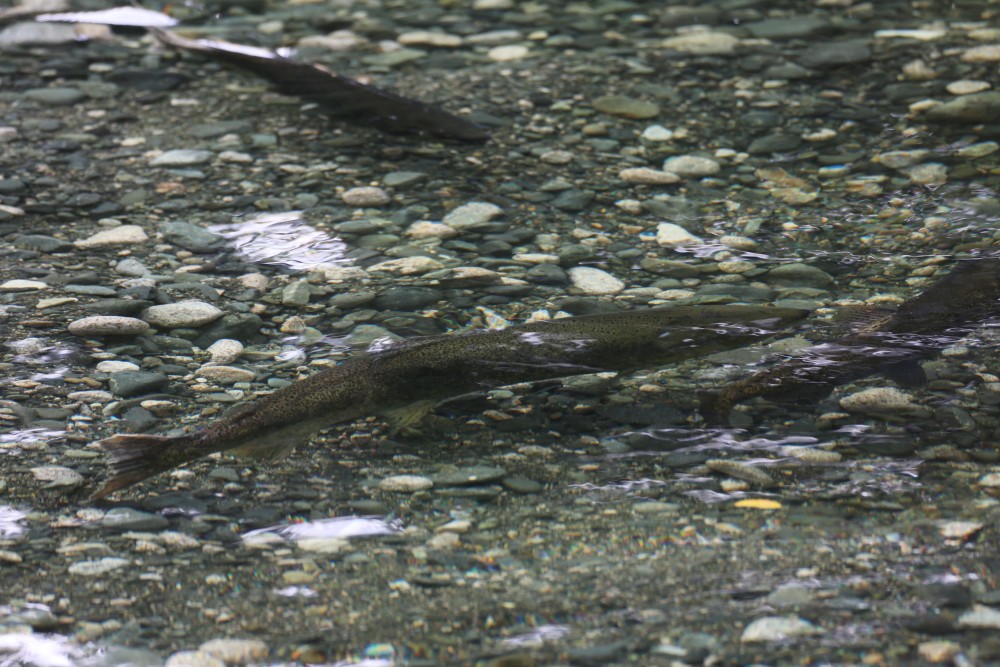
For some the ban couldn’t come soon enough. For years the practice has been disputed, while most Pacific salmon stocks have remained below their long-term averages for abundance. Those against the farms have long feared that the close proximity of ocean pens act as a breeding ground for sea lice and other pathogens, which spread to wild stocks as they migrate past the farm sites.
In December a letter signed by Hesquiaht Ha’wiih and elected council was sent to Prime Minister Mark Carney, expressing disappointment that the net pens have until 2029 and were not removed in 2025 as the Trudeau government previously planned.
“We cannot emphasize enough how important wild salmon are to Hesquiaht. Our own pre-existing laws and sacred duties require us to respect, care for and be in good relationship with salmon who have long been a foundation of our lives and communities,” stated the letter. “That open-net fish farms are causing harm to wild salmon and endangering their future survival – our own observations as coastal peoples and the scientific evidence are both well-documented – is abhorrent to us.”
Over 120 First Nations – comprising most in B.C. – have added their names to those against the practice. Signatories to the First Nations Wild Salmon Alliance include the Ditidaht, Tseshaht and Uchucklesaht.
But other First Nations have explored a stake in salmon farming, tapping into the industry’s economic potential to provide valuable employment in remote coastal communities. The Coalition of First Nations for Finfish Stewardship cites 17 Indigenous communities with formal salmon farming agreements, including Ahousaht, Tla-o-qui-aht and Ehattesaht.
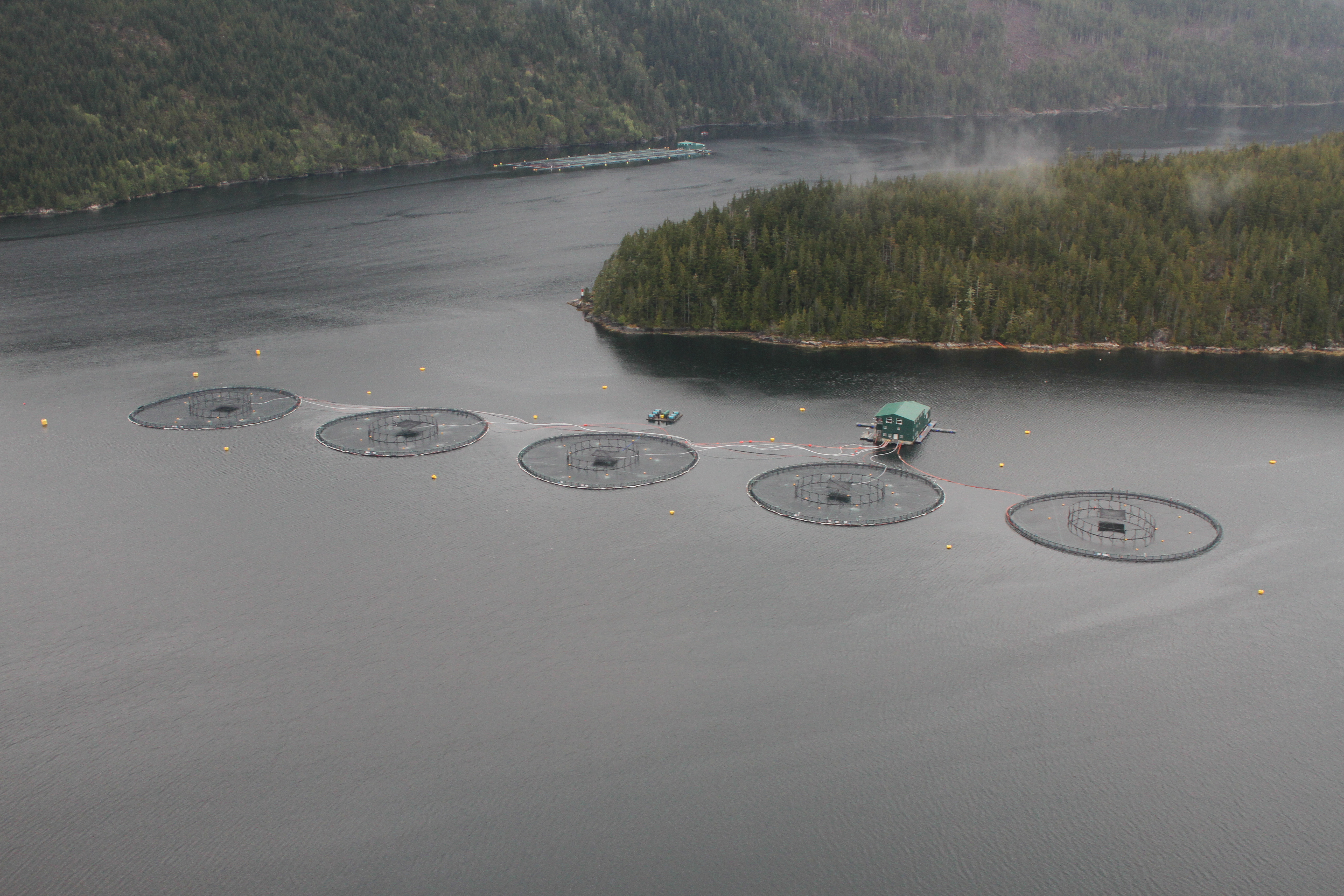
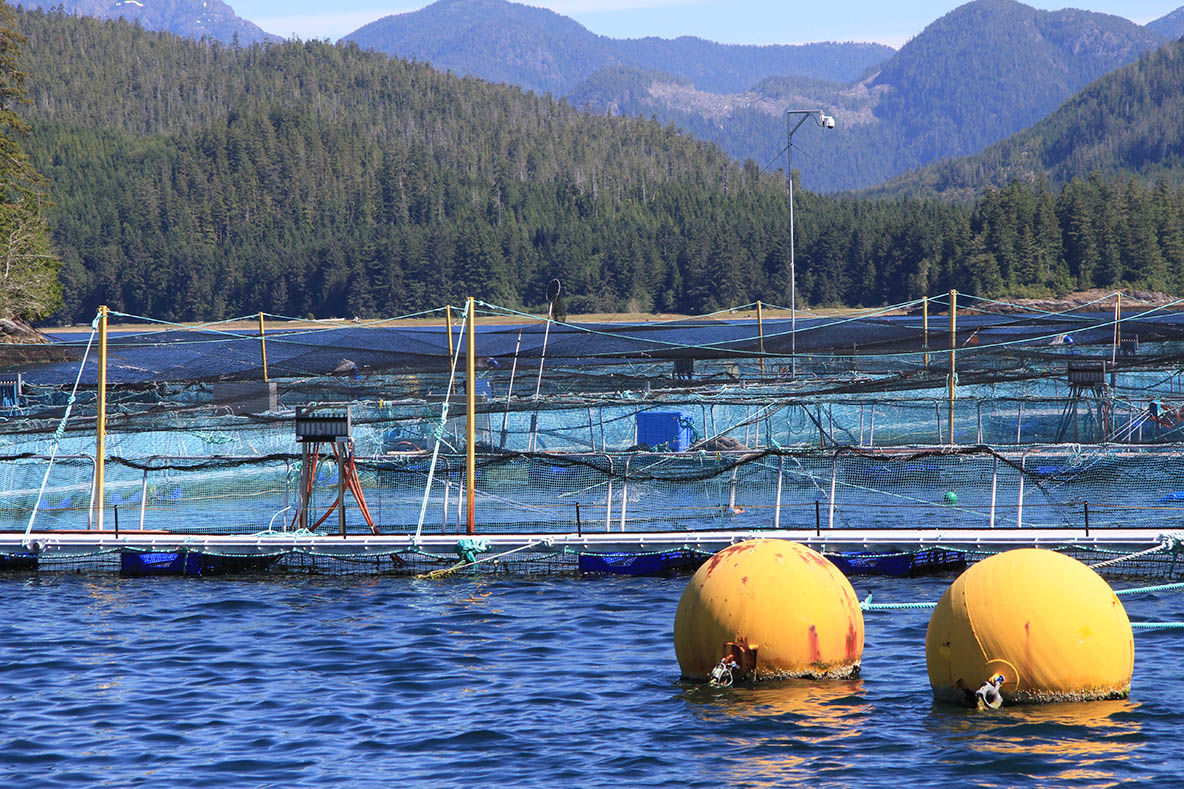
For over a decade Ahousaht has had a protocol agreement with Cermaq, which currently operates a dozen farm sites in the First Nation’s territorial waters north of Tofino. Valued at $6 million annually, the agreement brings employment, educational supports and transportation benefits to the remote First Nation community. Over 20 Ahousaht members are employed at Cermaq sites in the region, which raises Atlantic salmon through a multi-stage growing period that uses land-based hatcheries, semi-closed containment ocean sites and open net-pens in the Pacific waters.
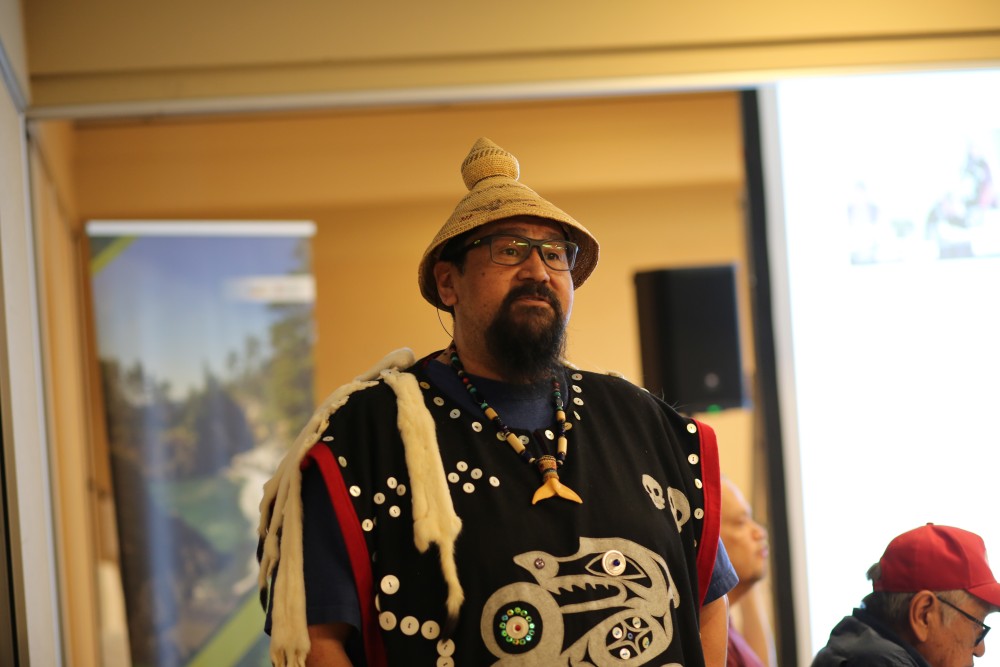
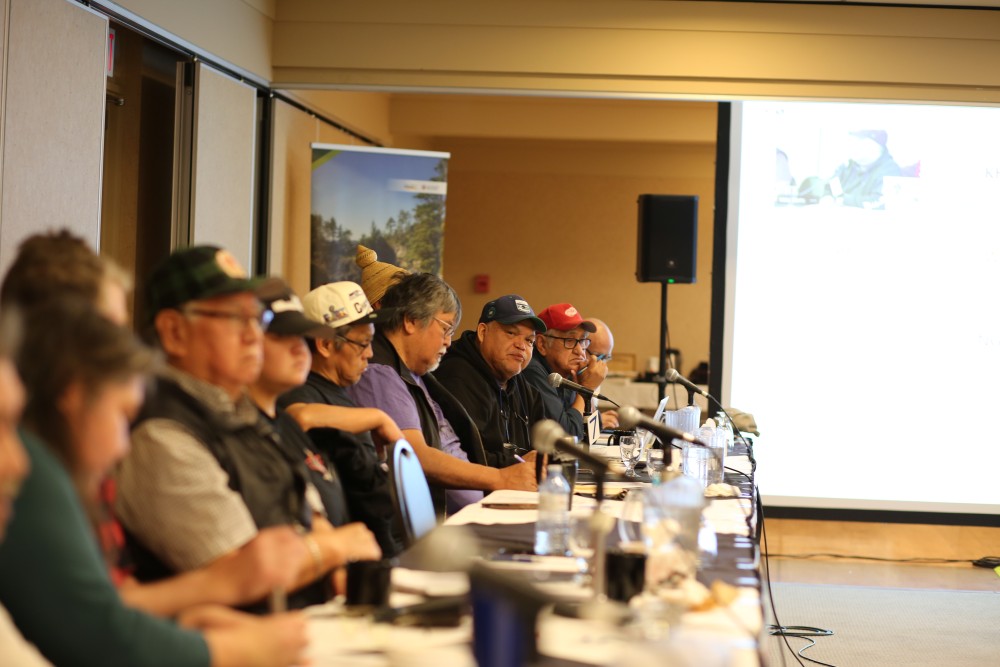
In mid February the Nuu-chah-nulth Council of Ha’wiih Forum on Fisheries held a two-day meeting in Campbell River, which was hosted by the Nuchatlaht First Nation on the traditional territory of the We Wai Kai and Wei Wai Kum. At the end of the first day on Feb. 18 acting Tyee Ha’wilth Hasheukumiss, Richard George, stood up with other Ahousaht delegates to make a statement.
“Please respect our businesses in our Ḥahahuułi,” said Kiista, Keith Atleo. “It’s our Ḥahahuułi, we don’t go to anybody’s other Ḥahahuułi and tell them how it operates.”
During the meeting Ahousaht also distributed a press release announcing that in the last year a full 22-month salmon production cycle was completed at the Cermaq sites that required zero mechanical treatments for sea lice. Over the previous 12 months an average of 0.3 lice motiles were detected in the farmed fish, showing an improvement over the 1.93 average that Cermaq recorded in 2022. In that year Cermaq conducted 56 mechanical delousing treatments.
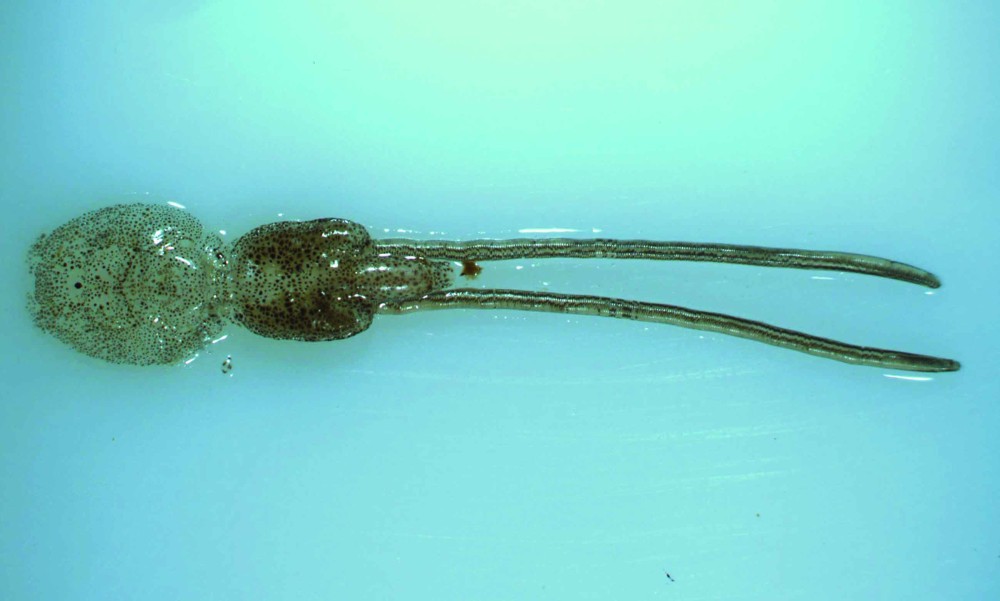
Sea lice are natural parasites found in wild and farmed salmon. DFO requires sea lice to be below an average of 2.8 motiles per fish during periods when wild salmon are migrating out into the ocean, but Ahousaht’s protocol agreement has this limit set at 1.5.
“Our Ha’wiih have made sure that protocol agreement that we have with the fish farms follow our Ha’wiih’s environmental assessments - not DFO’s, ours,” said Kista, noting that Cermaq has helped the First Nation in ways that the federal government and environmental groups haven’t. “They help us with some of the environmental impacts that have happened. They give us funding for our fishery program every year. DFO doesn’t, Clayoquot Action doesn’t. These are some of the things that we’re up against.”
In late January the Federal Court of Appeal upheld a decision to keep salmon farms out of the Discovery Islands, dismissing a challenge from MOWI. Located northeast of Vancouver Island, these farms were phased out in 2021 and 2022 when the fisheries minister refused to renew the licences.
The Discovery Islands are considered a critical migration route for wild Fraser River stocks. With the farm sites gone, now the Pacific Salmon Foundation is undertaking a multi-year study to determine if the absence of the farms will help wild stocks.
“We are seeing huge numbers of healthy-looking local salmon,” said Kyra Ford, a fisheries health technician in an article published by the Pacific Salmon Foundation.
Ford added that the fish “have persisted much later into the summer than when the farms were around.”