
The BC Drug and Poison Information Centre (DPIC) has launched a new public, online and interactive dashboard to raise awareness about accidental poisonings caused by medications, drugs, and other toxic substances.
The DPIC Data Dashboard visualizes data on calls to the centre from 2012 onwards and is updated monthly. Call trends are shown across 41 different substance groups, ranging from prescription medications to recreational substances like alcohol, and everyday household items like cleaning products. The dashboard was launched at the start of National Poison Prevention Week (March 15-21, 2026), an annual campaign to draw attention to the causes of poisonings and how people can prevent them.
The new dashboard shows a summary of cases handled by DPIC. The seriousness of a poisoning event varies between people and situations, and depends on factors not shown in the dashboard, such as how much of the substance a person was exposed to and their medical history.
Health officials advise caregivers to seek immediate medical advice in cases of suspected poisonings. Timely medical assistance can be critical to prevent more serious outcomes.
The BC Drug and Poison Information Centre (DPIC) is a 24/7 clinical telephone service staffed by pharmacists, nurses, and medical toxicologists. The average time for a DPIC poison specialist to answer a call is only 40 seconds.
DPIC is one of five poison centres in Canada and supports around 28,000 cases of suspected or confirmed poisonings per year. DPIC helps both members of the public who are concerned about potential poisonings of themselves or others and assists healthcare professionals in the care of their patients.
If needed, DPIC advises callers to seek additional medical care, but sometimes, with guidance from DPIC, the caller can manage the poisoning event without any further medical care.
“We get calls from a wide range of people about all sorts of exposures, but one thing we’re particularly concerned about is unintentional poisonings among babies and young children,” said DPIC associate medical lead Dr. Jesse Godwin. “Nearly 30 per cent of all our cases are among children aged five and under. It’s important to store medications and all other potentially harmful products safely out of reach.”
Everyday household items can be a risk for poisoning among young children, and some of the most common cases DPIC responds to are children getting into cleaning products, medications, and house plants.
"Poison Prevention Week is a great time to look around your home and lock up any products that could potentially harm your children," said Dr. Shelina Babul, director of the BC Injury Research and Prevention Unit (BCIRPU). "This can include cleaning products, over-the-counter medication, herbal supplements, cannabis, and button batteries frequently found in car fobs, toys, and watches. A good tip is to get down low, to the height of your children, and view the world as they see it - to identify anything that could be dangerous.”
Causes of poisoning among young children include:
- Medications, including prescription and non-prescription medicines, vitamins and natural health products
- Cannabis products, including edibles
- Cigarettes, nicotine and vape liquid
- Alcohol
- Household cleaners, laundry detergent, and bleach
- Cosmetic products, such as nail polish, mouth wash, creams, etc.
- Car supplies, like antifreeze and windshield washer fluid
- Pesticides
- Certain plants
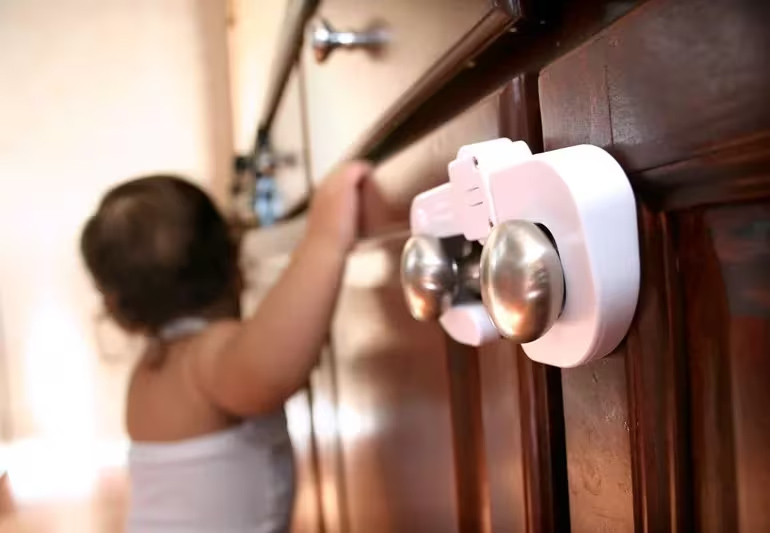
To lower the accidental poisoning risk to children, store medications and potential poisons up high, out of sight and out of reach from children. Store dangerous items in a locked cabinet, drawer, or box.
Use child-resistant caps or packaging.
Keep products in their original containers so you know what’s inside. Labels often contain important information about ingredients and medication dosage.
Cannabis edibles can resemble snacks or candies. Follow the same storage practices with cannabis products as you do for other poisonous items.
Check for expired and unused medications, vitamins and natural health products at home and return to your pharmacy.
To see the new DPIC dashboard visit: https://bccdc.shinyapps.io/DPIC/
Add DPIC to your phone contact list and keep it in a visible location in your home such as on your fridge: 604-682-5050 or 1-800-567-8911.
If you suspect someone has been poisoned by a medicine, chemical, or other substance, call DPIC at 604-682-5050 or 1-800-567-8911. If someone is unconscious, having a seizure, difficulty breathing or chest pain, immediately call 9-1-1.


