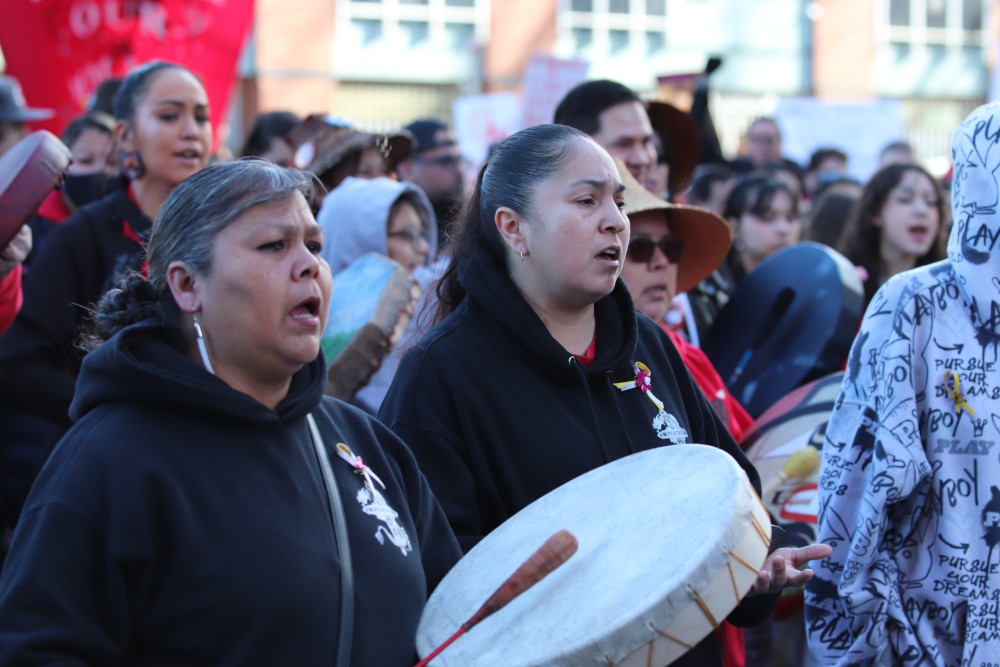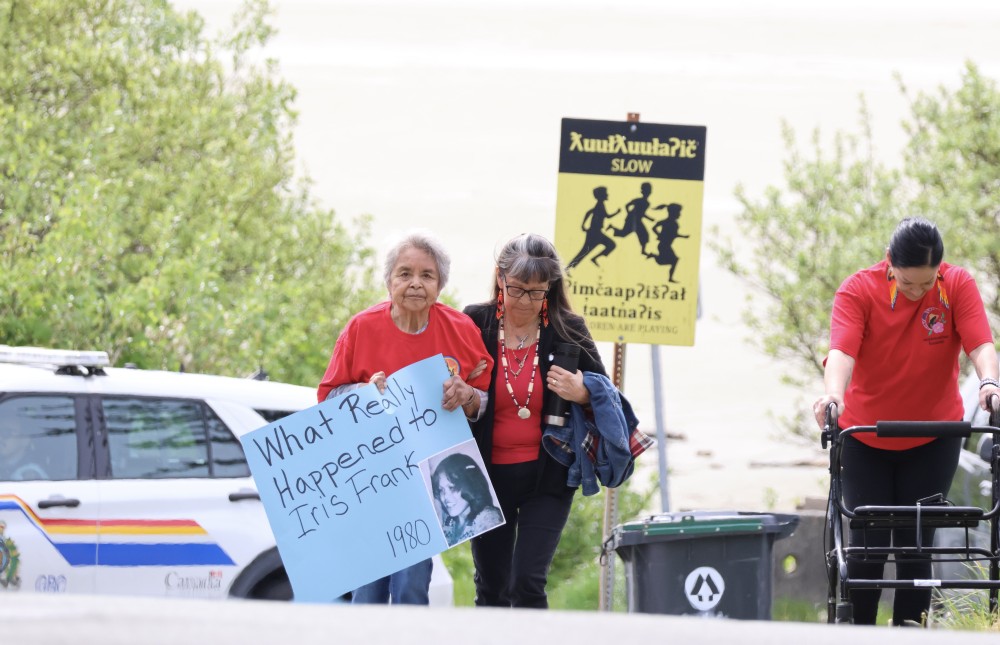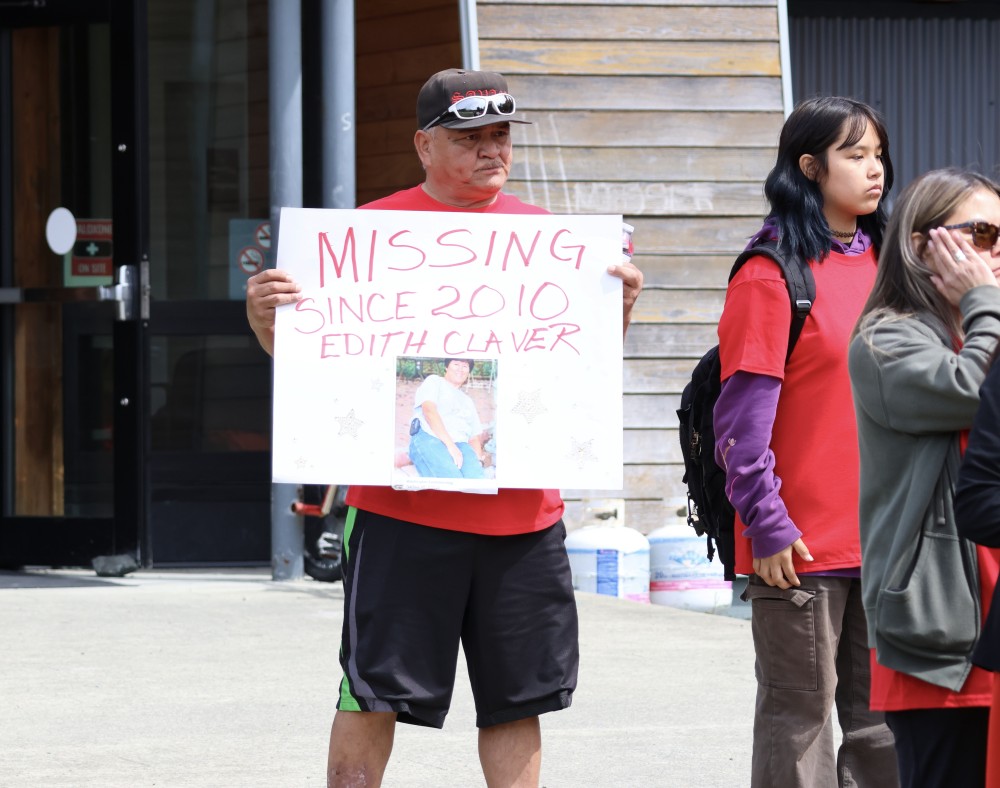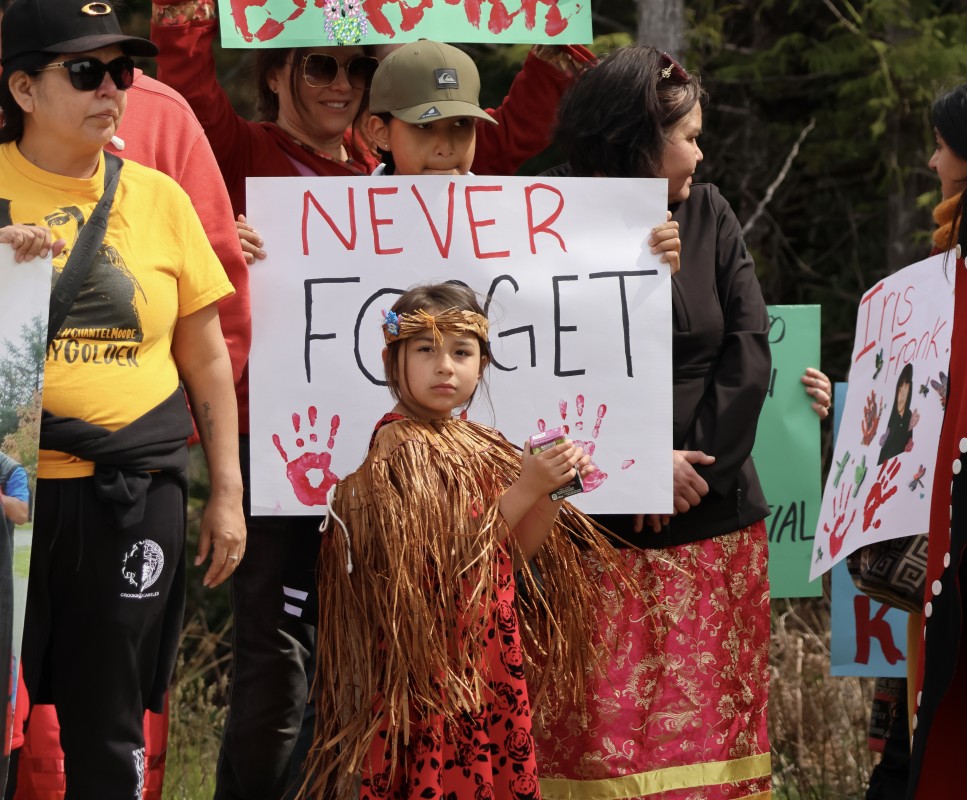
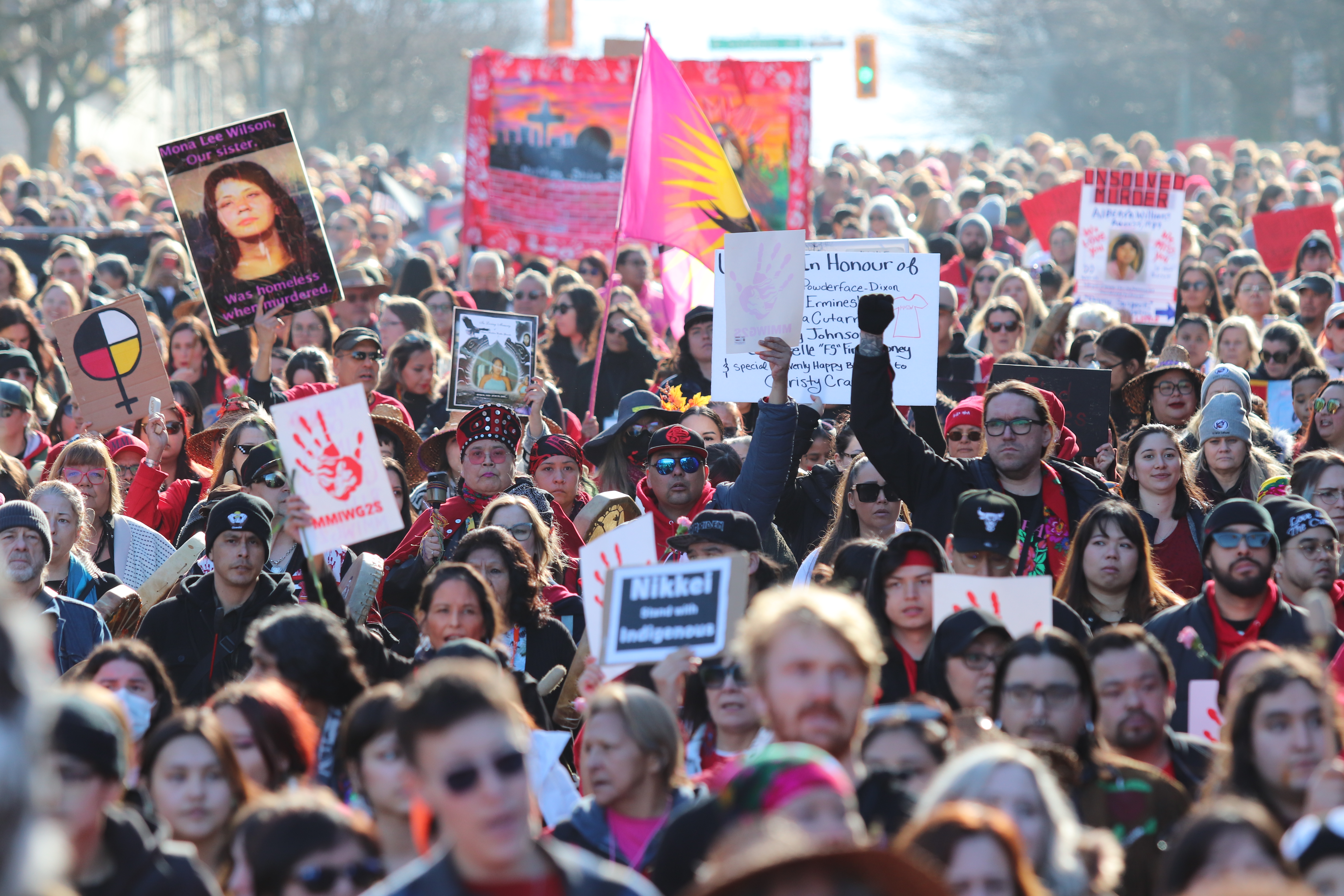
A new report is raising concerns that progress made towards addressing the crisis of Missing and Murdered Indigenous Women, Girls, and Two-Spirit people (MMIWG2S+) could be at risk as federal funding commitments begin to expire.
Released by the Canadian Centre for Policy Alternatives (CCPA), the report examines federal spending tied to the National Inquiry into Missing and Murdered Indigenous Women and Girls’ Calls for Justice. While the report acknowledges significant investments since the inquiry concluded in 2019, researchers warn that many programs are approaching the end of their funding timelines, creating uncertainty about their future.
According to the report, annual federal spending connected to the Calls for Justice could decline by approximately 51 per cent over the next four years if expiring programs are not renewed. Researchers estimate spending could fall from $3.7 billion in 2024-25 to roughly $1.8 billion by 2028-29.
The findings come seven years after the National Inquiry released its final report, which described violence against Indigenous women, girls, and Two-Spirit people as a national crisis rooted in colonialism, racism, poverty, and systemic discrimination. The inquiry issued 231 Calls for Justice directed at governments, institutions, and Canadians, calling for transformative action to improve safety, justice, health, and social outcomes for Indigenous peoples.
While Ottawa has announced numerous initiatives in response to the Calls for Justice, the CCPA report suggests many of those commitments may not be guaranteed in the long term. The report argues that temporary funding structures can undermine long-term efforts to address systemic issues that have developed over generations.
For many Indigenous advocates, the concern is beyond just funding. It is about what that funding can support. Funding has helped expand Indigenous-led services, support healing initiatives, improve community safety programs, and address social conditions that make people vulnerable to violence.
The report’s warning comes at a time when governments across Canada are facing growing fiscal pressures. Rising deficits, economic uncertainty, and competing budget priorities have led to increased scrutiny of public spending.
However, advocates argue that reconciliation commitments should not be viewed as optional expenditures.
The National Inquiry's Calls for Justice were intended to address long-standing systemic failures that continue to affect Indigenous women, girls and Two-Spirit people today. Families and advocacy organizations have repeatedly stressed that the crisis is ongoing and that meaningful change requires sustained investment. Recent years have seen continued reports of violence against Indigenous women and girls across Canada, reinforcing concerns that the conditions identified by the inquiry remain present.
The Assembly of First Nations reports statistics showing the crisis remains urgent. Indigenous women are four times more likely than non-Indigenous women to experience violence and accounted for 16 per cent of all female homicide victims, despite Indigenous people making up just 4.3 per cent of Canada’s population. Indigenous women are also twice as likely to experience intimate partner violence, while more than half report experiencing physical assault, and nearly half experiencing sexual assault during their lifetime, according to the AFN stats.
The CCPA report notes that progress has been made in several areas since the National Inquiry was released in 2019. Federal investments have supported housing initiatives, health services, Indigenous-led programming and community safety measures. Researchers say these efforts demonstrate what can be achieved when governments commit resources to implementing the Calls for Justice.
However, the report cautions that gains made over the past several years could be difficult to maintain if funding declines significantly.
For Indigenous families who have lost loved ones, this issue is deeply personal. Many have spent years advocating for greater accountability and action from governments, often stressing that the inquiry’s recommendations were never intended to be short-term projects.
As the government prepares future budgets, advocates are calling on decision-makers to ensure that commitments made in response to the National Inquiry remain a priority.
The report raises a broader question about reconciliation in Canada: whether commitments made during periods of political momentum will endure when economic conditions become more challenging.
For Indigenous leaders and families affected by the MMIWG2S+ crisis, the answer may determine whether progress continues or if critical efforts to prevent violence and support communities fades before the work is finished.