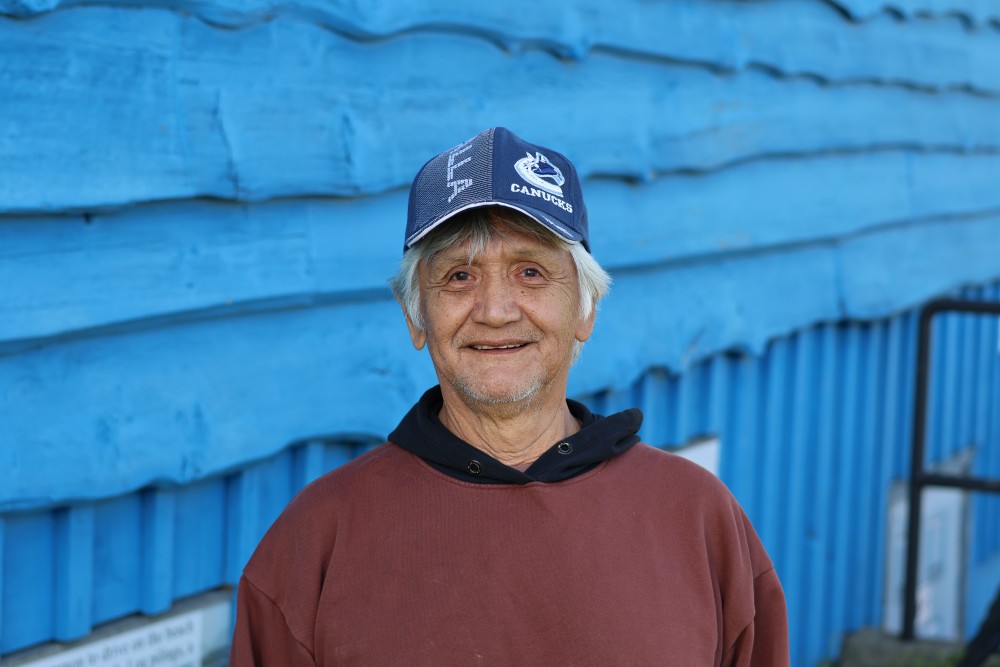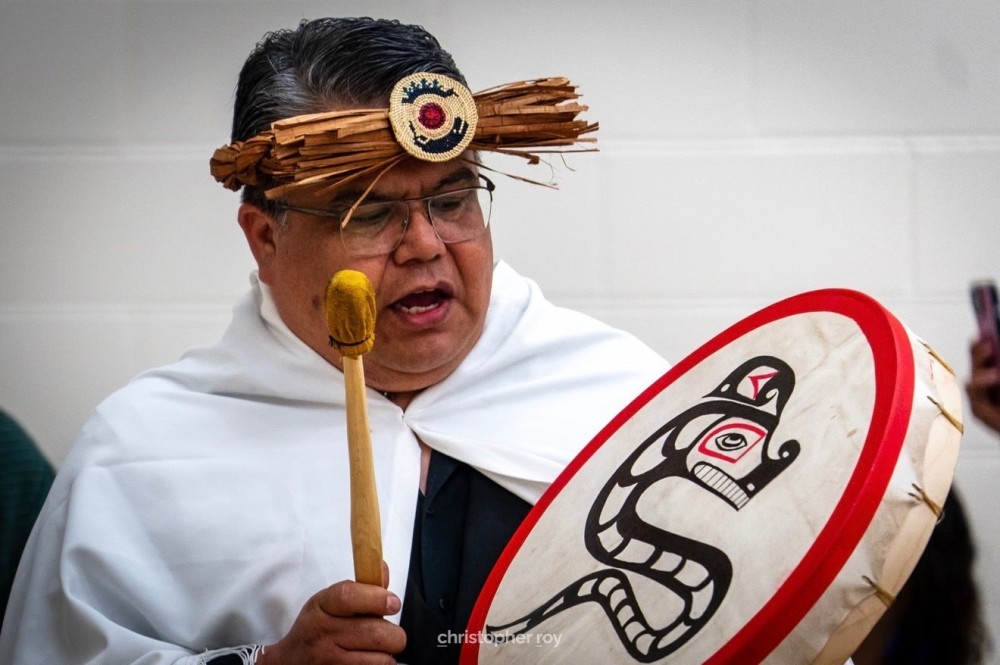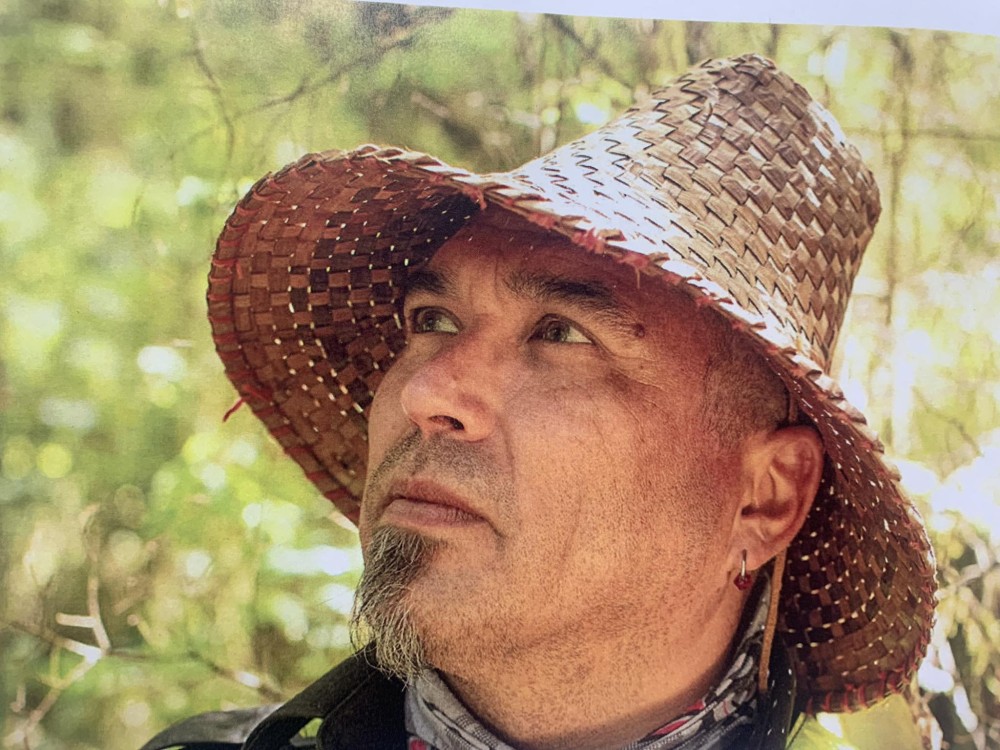
Tla-o-qui-aht First Nation members head to the polls on May 12 to elect one chief and 11 councillors.
Three candidates put their name forward for elected chief: Joseph Stephen David, Elmer Frank and Saya Masso.
In total, there are 34 candidates running for council positions.
“We’re trying to get out of what we are under right now which is the Indian Act,” said David, 69, who is known by most in the community as JD.
Previously, David served over 12 years on council and was involved with the T'aaq-wiihak Fisheries / Ha’oom Fisheries Society for about 18 years.
“We need to get our people more independent, more self-determining, like any general public where they are not under the thumb of the government,” said David.
Tla-o-qui-aht First Nation (TFN) has over 1,200 muscim (citizens), and is governed by ancestral knowledge from Ha’wiih (hereditary chiefs) as well as an elected chief and council who serve a four-year term.
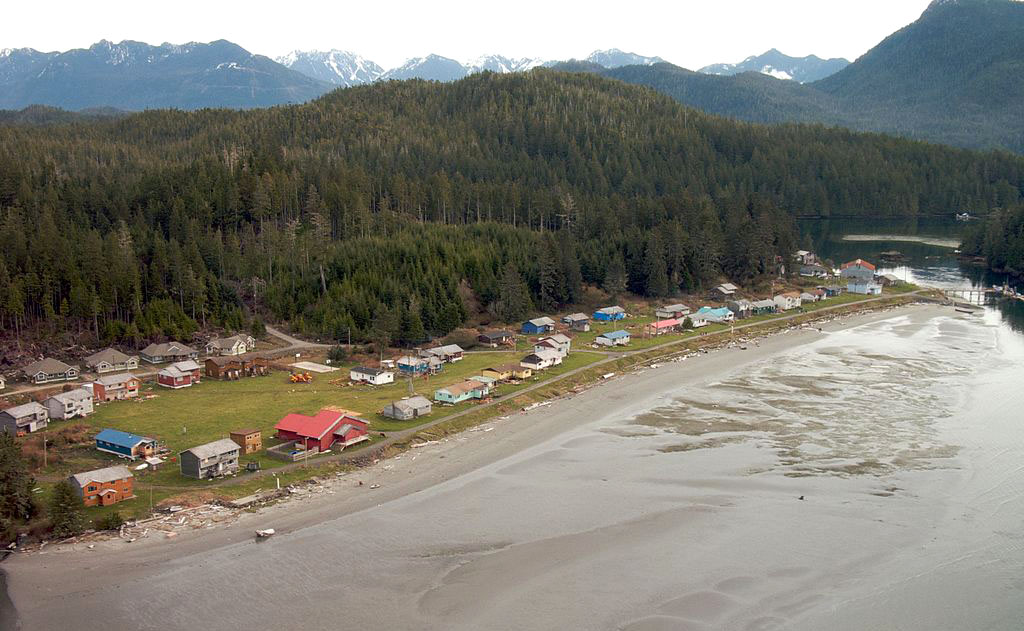
Located on the west coast of Vancouver Island, TFN territory extends through the Pacific Rim National Park Reserve, Kennedy Lake, the District of Tofino and into Clayoquot Sound.
TFN includes the communities of Ty-Histanis and Esowista, located just north of Long Beach, and the ancient village site of Opitsaht, which is across the inlet from Tofino.
Tla-o-qui-aht never signed a treaty with the Government of Canada. In 2024, they entered a Memorandum of Understanding (MOU) with the minister of Crown-Indigenous Relations. They also have MOUs with the District of Tofino and the Alberni-Clayoquot Regional District. The ‘hisiikcumyin: Pathway Agreement’ with the province that was signed in 2021.
Current Tla-o-qui-aht Chief Councillor Elmer Frank is hoping to be re-elected.
“I think it’s important to keep that consistency,” said Frank.
He said Phase Two of the housing development project at Ty-Histanis is well underway.
“We are doing all the civil work starting late summer or early fall and following that we will be looking at building homes,” said Frank.
“We also have funding applications out there for a gymnasium and a cultural hall. The costs of that is going to be quite significant so it is taking a little bit longer than we anticipated. But we have paid for plans. We have all the plans drawn up,” he continued, noting that the gym will be constructed in Ty-Histanis.
Saya Masso, Tla-o-qui-aht’s natural resources manager, said he will take “decisive action” to get Tla-o-qui-aht rights and title recognized in order to meet the needs of the muscim.
“I think as leaders we have a role to elevate our rights and title and reaching the right people across the table to get them implemented. It also requires us to develop the leverage, so we are taken seriously at the table. That might include raising awareness of our rights and title through new and different strategies,” said Masso.
“Part of developing leverage to get our rights recognized is working with the Tofino business community with hopes that now it will make it easier with the B.C. to create memorandums of understanding with Tla-o-qui-aht,” he said.
Masso led the creation of the Tla-o-qui-aht Tribal Park Allies program, a first-of-its-kind initiative that collects a one-per-cent stewardship fee from 143 participating businesses.
Previously, Masso served six terms on council. He says he ran for chief about 20 years ago.
“Now I think people know who I am and what I stand for,” said Masso.
He says he works every day to make Tla-o-qui-aht territory a thriving place for his grandchildren.
“Our grandchildren deserve to live with healthy clean beaches, and abundant salmon runs. Our future should include a vibrant culture, language and thriving village,” said Masso.
All three candidates vying for the role of chief say Tla-o-qui-aht members have many infrastructure needs.
“We are always thinking about our children. We don’t have any sporting complexes whatsoever. We don’t have a field out at the new reserve, we don’t have a gym, we don’t have a longhouse. My focus is going to be really pushing hard, if I am successful, on obtaining some infrastructure needs,” said JD.
Frank spoke about the Saasin House, a facility that was created during the pandemic for members struggling with addiction.
“We brought in a 21-person camp that we bought off of a company from Ahousaht. We built it to address the opioid and alcohol crisis,” said Frank. “It’s designed so that it helps people who are wanting to get off the street, who are wanting to sober up. It provides space for community members to go to detox and a treatment centre.”
For Masso, the list of infrastructure needs is long and includes, “a longhouse, athletic hall, culture academy, museum to repatriate artifacts, paving the road in Opitsaht, covering outdoor basketball courts, a ball field at Ty-Histanis, better docks and safe harbour, and housing and more housing.”
He re-emphasized that getting rights and title recognized is needed to support infrastructure needs.
Tla-o-qui-aht’s administration staff is large with 121 people currently on the payroll, and they continue to look for more to fill roles, according to Frank.
“We’ve never had such a high number of staff. It’s great,” said Frank.
David is also pushing to recapture language.
“We are already pretty heavy into culture, and I’m real happy about that, one thing I miss is our First Nations language,” said David. “I just want to wish all of our candidates good luck. We all have the same focus.”
Tla-o-qui-aht members can cast their ballots on May 12 from 9 a.m. to 8 p.m. at the following three locations: Meares Island Cultural Centre in Opitsaht, Tiic-mis-Aq’kin Health Centre in Esowista/Ty-Histanis and the Best Western Barclay in Port Alberni.