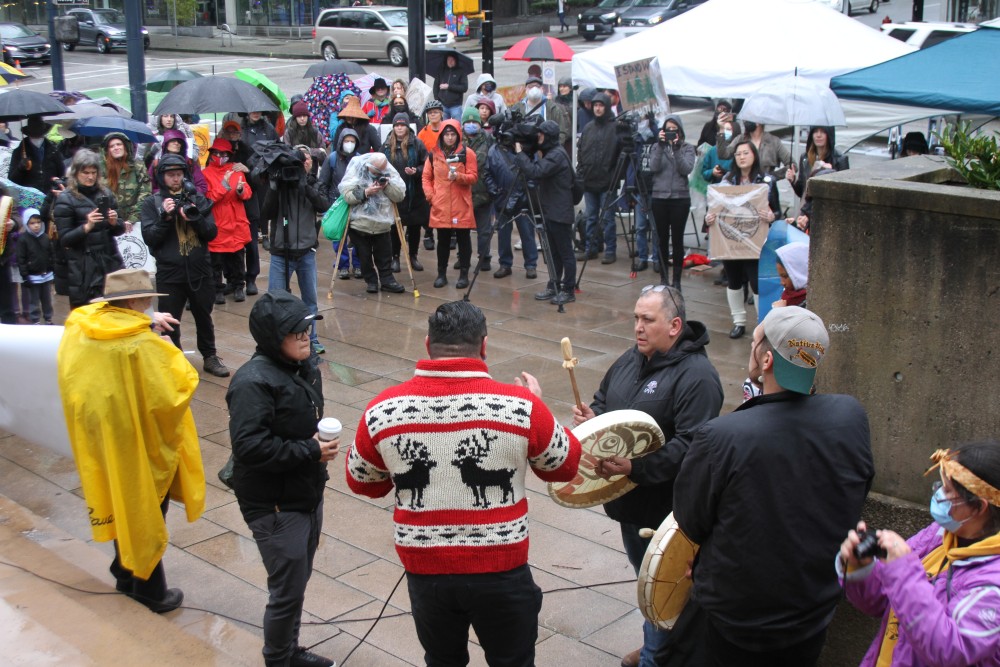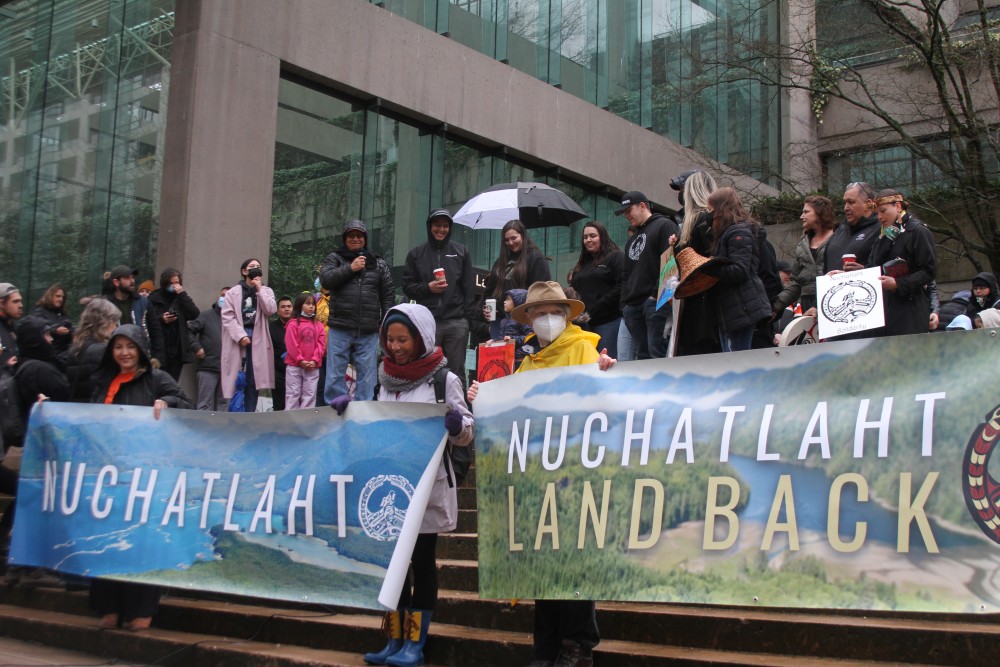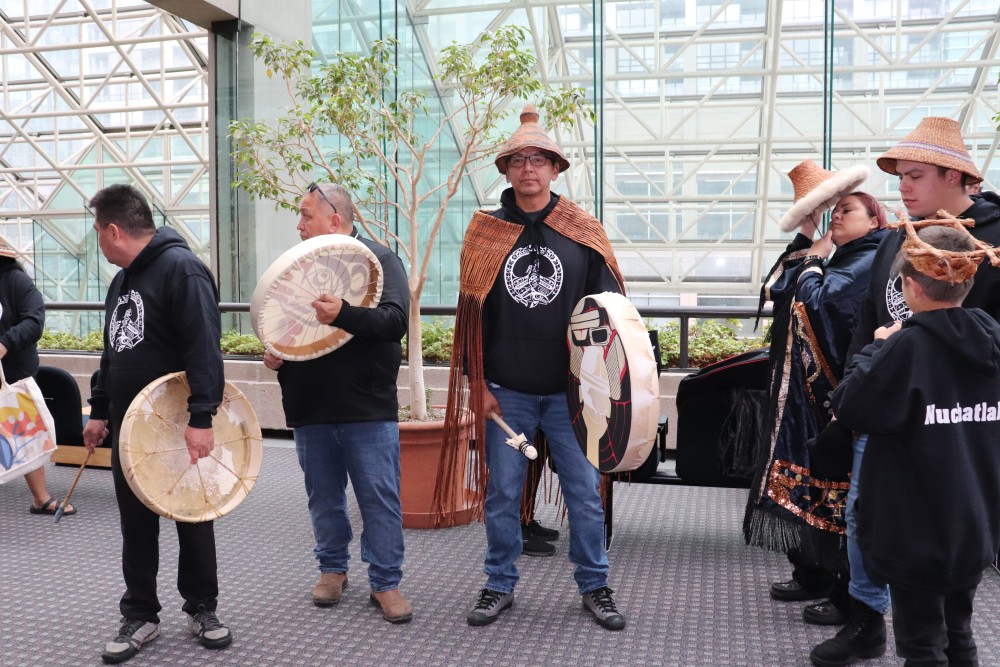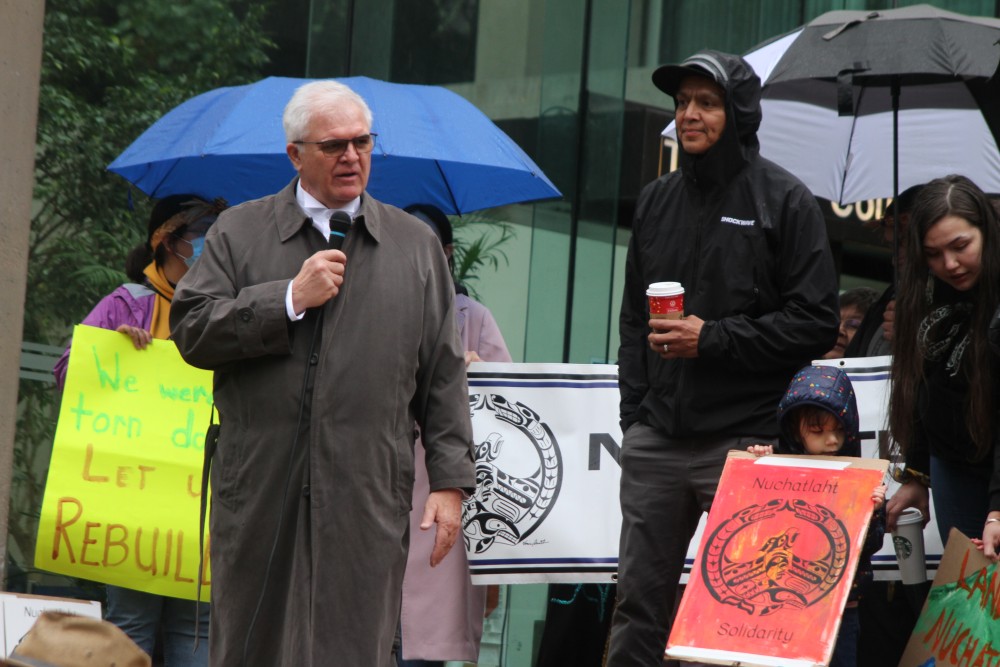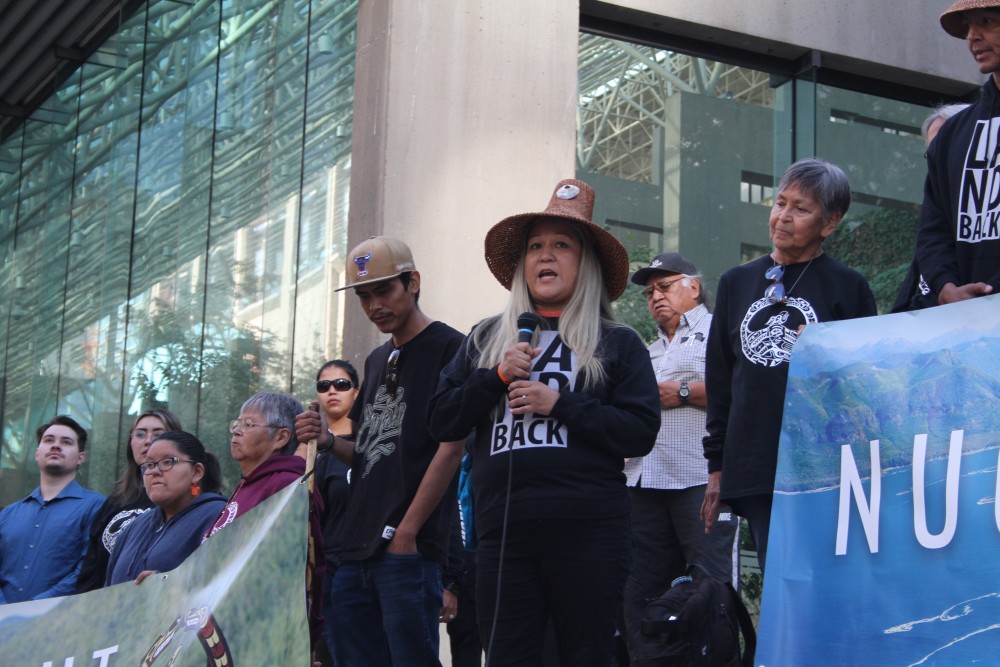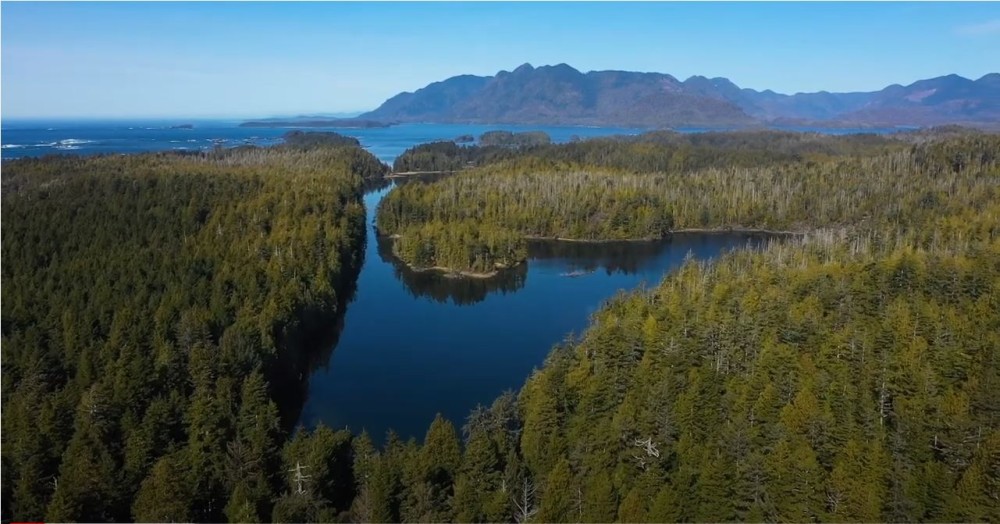
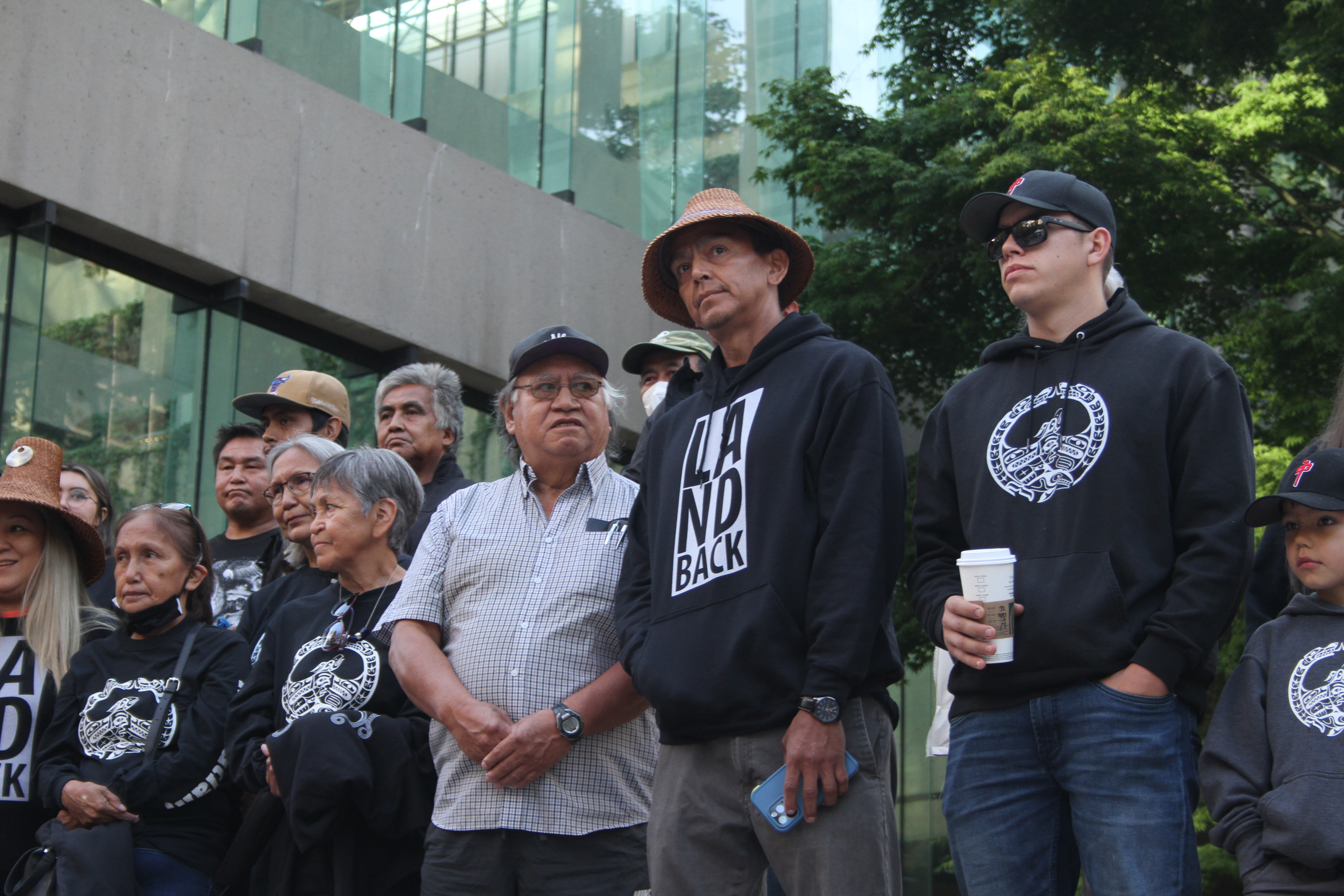
A panel of three judges has ruled in favor of the Nuchatlaht First Nation, granting them full title over their entire 210-square-kilometre land claim on Nootka Island – and the decision was unanimous.
"We are celebrating this victory and looking ahead to our future,” stated Tyee Ha'wilh Jordan Michael upon hearing the news. “This recognition gives us a foundation to help our members, steward our territory, and drive our own successes.”
“It was indeed a historic day for Nuchatlaht Tyee Ha’wilth (Chief) Jordan Michael, and the peoples of the Nuchatlaht Nation when their long-fought legal battle for their lands was ruled in their favour in the Court of Appeal. The Nuu-chah-nulth Tribal Council congratulates the Nuchatlaht on this huge win in the courts,” said Nuu-chah-nulth Tribal Council President Judith Sayers in a written statement.
“The Appeal decision is the first time a First Nation has been awarded its entire claim area,” said Owen Leggatt-Stewart of Woodward and Company LLP, the legal firm representing Nuchatlaht First Nation.
The decision came down from the B.C. Court of Appeal on April 2, 2026. In it, the court determined that Justice Elliot Myers erred in an earlier case, when he ruled that Nuchatlaht had proven title over a very small sliver of their claim, about 11 kilometres along the shoreline, going no deeper than 100 meters above sea level.
The Nuchatlaht title case has been weaving its way through the court system for nearly a decade, beginning in 2017. The small nation, numbering about 200 members at that time, were frustrated at the lack of progress and the financial cost at treaty table. They turned to the court system following the success of the 2014 Tsilhqot’in decision.
In that historic case, the Supreme Court of Canada granted a declaration of Aboriginal title to over 1,700 square kilometres of land to the Tsilhqot’in Nation. The court ruled that title is not limited to specific, intensively occupied sites, like villages, but can cover broader territories regularly used for hunting, fishing, and trapping.
The Tsilhqot’in Nation was represented by a legal team from Woodward and Company LLP who focus exclusively on serving Indigenous governments, businesses and organizations.
In May 2023, the B.C. Supreme Court ruled in Nuchatlaht’s favor as Justice Elliott Myers found that the small First Nation satisfied the legal test to be granted title in their territory on Nootka Island.
But they were not granted Aboriginal title over the entire 210 square kilometre claim on northern Nootka Island. Instead, the nation was granted a strip of shoreline where villages once stood. It was believed by newcomers at the time that the rugged terrain and dense forests would have prevented the Nuchatlaht from going inland.
But there were thousands of silent witnesses, some nearly 500 years old, in the form of culturally modified trees and stumps (CMT’s) that testified to the Nuchatlaht’s use of their inland forest resources.
An court appeal was launched by Nuchatlaht in the fall of 2025 where the panel of judges heard four days of testimony in Vancouver.
On April 2, 2026, news came that the Nuchatlaht First Nation won a landmark B.C. Court of Appeal case, securing Aboriginal title over their entire 210-square-kilometre claim on Nootka Island.
“This is a big decision, for both lawyers and First Nations,” said Stewart of the Nuchatlaht’s legal team. “It recognizes that Aboriginal title is territorial, and indicates the evidence required to prove it. The Appeal decision is the first time a First Nation has been awarded its entire claim area. Nuchatlaht’s victory was built upon their trial, the fastest Aboriginal title trial since the 1970s. Nuchatlaht have shown great leadership throughout the process.”
Judith Sayers, NTC President says she feels good about the decision and is very excited for the Nuchatlaht victory.
“(It’s) very satisfying to see a Ha’wilth’s territory recognized after so many years of struggling for this recognition,” she stated. “Also, I know they have a lot of work ahead of them restoring their lands after the ravages of forestry development and know they will work with the land to their standards as they steward the land.”
It has been reported that the Nuchatlaht Nation turned to the courts so that they can regain control of their territories and properly steward their lands, which have been heavily impacted by commercial forestry. The court also found that the B.C. Forest Act and B.C. Parks Act do not apply to these Aboriginal title lands.
The court recognized that the Nuchatlaht had exclusively occupied and used this territory for hunting, gathering, and fishing. The ruling acknowledges evidence of thousands of "culturally modified trees" as proof of long-standing occupation.
Looking ahead, the First Nation plans to rehabilitate forests in the claim area to strengthen salmon habitat.
"We are ocean people," said Councillor Archie Little. "A priority is restoring wild salmon habitat in our waters."
The Aboriginal title also presents potential for housing, and the Nuchatlaht are developing plans for members.
"It'll be a great thing for our small community being able to provide for our community members," said Melissa Jack, Nuchatlaht councillor. "We were forced to move from Nootka Island in the 1980s, and one day we would like to be able to live there again."
The provincial government has stated that it is reviewing the decision and will explore its legal options, including a potential appeal to the Supreme Court of Canada.