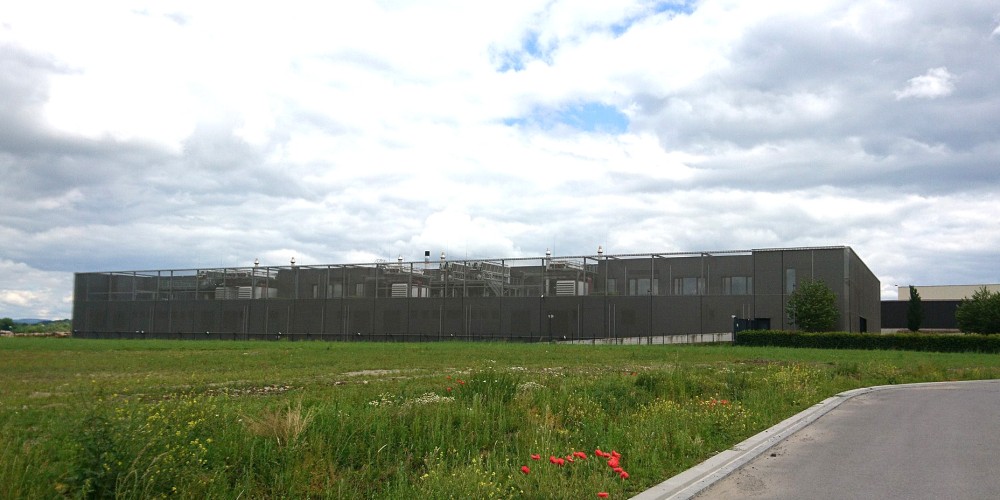

Artificial intelligence is becoming increasingly popular on social media platforms like Facebook, Instagram and Tik Tok, but what impacts are AI generated videos and images having in the environment?
AI requires massive, specialized data centers, often called ‘AI factories’, to train and run complex models. This brings a surge in demand for power and infrastructure dependent on fossil fuels, resulting in a high production of greenhouse gas emissions.
Morgan Stanley, a global financial services firm, reports that the worldwide data centre industry is responsible for a cumulative 2.5 billion tonnes of CO2 a year, and could spike as high as six billion metric tons by 2030.
The firm also reported some analyses suggest that actual emissions from major tech companies like Google, Microsoft, Meta, Amazon, Apple could be over 600 per cent higher than official corporations report, driven by the intense energy demands of AI. CO2 has been directly linked to rising global temperatures causing increased hurricane intensity, sea level rise, ocean acidification, environmental damage and social inequities.
The high CO2 emissions are only one facet of AI’s negative environmental impacts: AI data centres consume massive amounts of water, according to the International Energy Association. Individual data centres use up to five million gallons (approximately 19 million litres) daily for cooling. This is exponentially more than a small town like Ucluelet, which uses 10,000 to 30,000 gallons per day. Meanwhile, a single, 20–50 question chat with an AI model like ChatGPT can consume roughly 500 millilitres of water. A single picture can use up to several hundred milliliters (up to half a liter or more), depending on the model, data center efficiency, and location.
The IEA also states that water used for cooling AI data centers becomes contaminated and is often not returned to the local source. Cooling processes, particularly evaporation, leave behind concentrated contaminants like salts, chemicals, and minerals, while roughly 80 per cent of the water evaporates. The remaining wastewater, often called ‘blow-down’, can contain high levels of heavy metals and chemicals that require treatment before disposal and can contaminate the ground around the centre.
“The use of AI has increased exponentially since first introduced and continues to grow,” said Judith Sayers, president of the Nuu-chah-nulth Tribal Council. “The number of data centers is increasing and with it the need for water and power. Fresh water is used to cool the equipment used and there is no reusing of the water. The world has 0.5 per cent clean drinking and usable water.”
British Columbia has 15 AI data centres operating, in various location as far north as Prince George. Hut8 operates two in Vancouver and one in Kelowna. Bell has two in Vancouver, as well as one in Burnaby, Surrey, Kamloops and Meritt. IREN has centres in Prince George, McKenzie and Canal Flats. Equinix has centres in Burnaby and Kamloops and Teraswitch has one in Vancouver.
The province and BC Hydro launched a competitive process for artificial intelligence and data centres to help manage the rising electricity demand AI brings.
“By managing demand carefully and directing power to projects that deliver the greatest long-term benefits, we will build our province, while protecting affordability and reliability for British Columbians,” said Adrian Dix, Minister of Energy and Climate Solutions in a press release. “At the same time, we are creating a clear path for emerging industries, like AI, to quickly and efficiently get the power they need, positioning British Columbia as a leader in innovation and data sovereignty.”
Besides its environmental impact, AI has some positive attributes. AI in the health care sector is transforming medicine by accelerating drug discovery, enhancing diagnostic accuracy through imaging analysis, and enabling personalized treatment plans.
Should AI be restricted to beneficial applications like the health care system to reduce intense environmental impact?
“The time to act is now and we as First Nations must ensure our water supplies are safeguarded,” urged Sayers. “Water is our right and we are the stewards and we must act responsibility.”